







Coffee Table Height & Size Selection Guide
Coffee tables are the heart of a living room on which couches, accent chairs, and TVs center around. Getting the right coffee table size and height plays a significant role in ensuring a comfortable user experience.
Read on to find out what the right coffee table height, width/length, and depth are for your space, as well as spacing and layout tips. Let's dive in!
How to Choose the Perfect Coffee Table Height
The height of your coffee table sets the tone for the general feel and usability of your living space. Make sure to get it right so that you're not reaching too low or high for a coffee mug.
Coffee table height based on sofa seat height

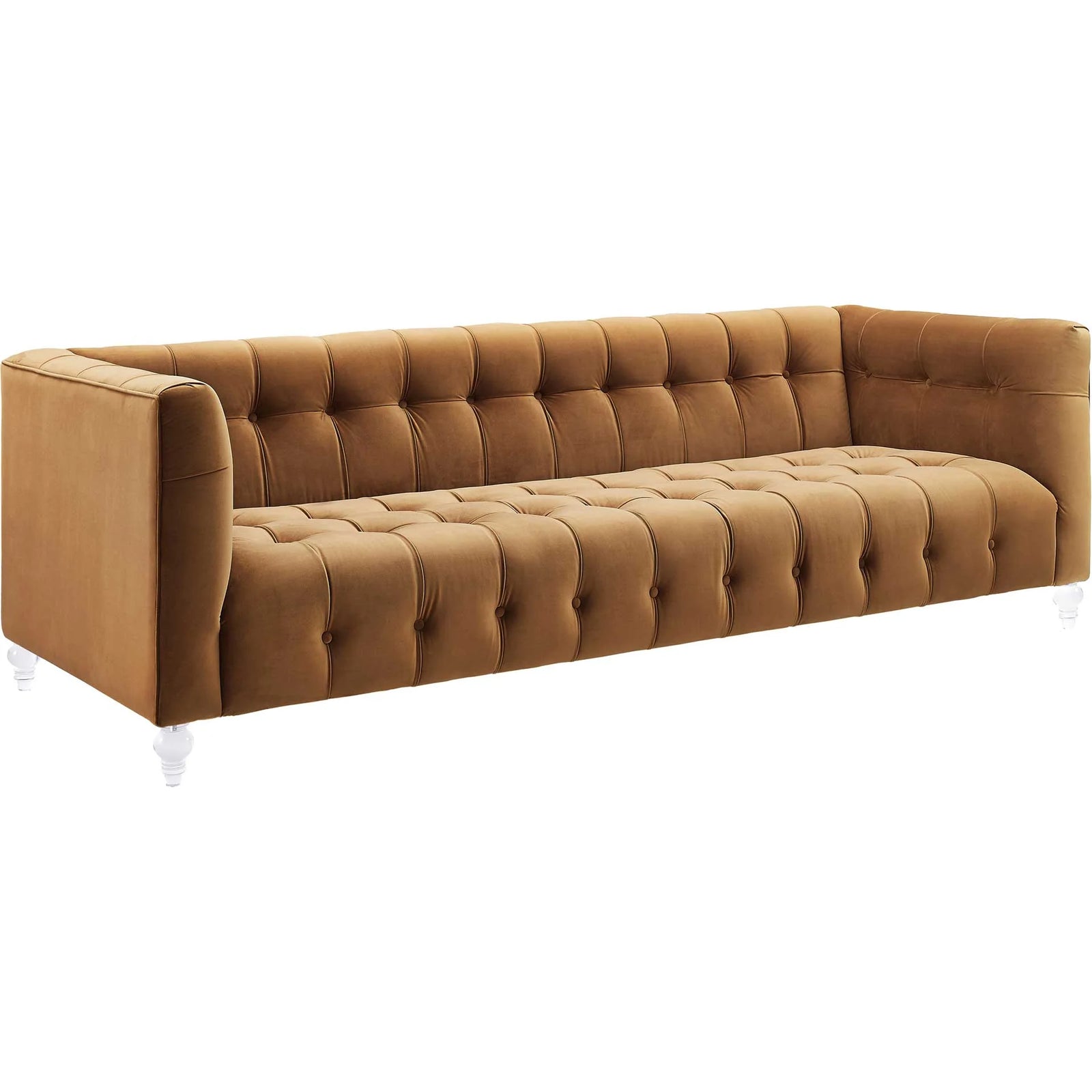
In most cases, coffee table height should be equal to or 1-2 inches lower than your sofa seat height.
Because most couches measure 17 and 19 inches from the floor to the top of the seat, most coffee tables come in heights ranging from 15 to 18 inches. We work with many manufacturers, and nearly 75% of all coffee tables we've seen fall within this range.
Coffee table height for hard vs. soft seat cushions
Another key factor to consider when determining your coffee table height is the firmness of your couch's seat cushions.
- Coffee Table Height for Hard/Firm Seat Sofas: Choose a coffee table height that is equal to or no more than 1 inch below the seat height of your couch. Because firm seat cushions won't compress much when sitting on them, your coffee table will feel taller than normal.
- Coffee table height for Soft/Plush Seat Sofas: Choose a coffee table height that is 2 or even 3 inches below the seat height. Soft seat cushions compress a lot when sitting on them, at times lowering the sofa seat height by 2 to 3 inches.
Pros & cons of low vs. tall coffee tables
Low coffee tables (height of 12-15 inches)
Pros:
- Low coffee tables help make your room feel larger and are great for smaller spaces as they keep sightlines clear across the room.
- Low coffee tables are the best match for low-profile sofas, which include many modern and minimalist-style sofas.
- They help promote a more conversational lounge area since the tabletop (and objects on top) are not as much in focus.
Cons:
- The tabletop can be uncomfortable to use when paired with taller couches and chairs, especially for the elderly or people with disabilities.
- From a designer's perspective, low coffee tables can feel out-of-place when used in rooms with tall ceilings as it makes the room feel too cavernous.
Tall coffee tables (height of 18-22 inches)
Pros:
- Tall coffee tables are multifunctional and can better serve as a casual dining surface or simple work desk.
- They're great when paired with taller couches and chairs, especially if they have firm seat cushions.
- Tall coffee tables are easier to use for people who have back problem or the elderly, whether seated or standing next to the table.
Cons:
- Tall coffee tables are generally bulky in appearance and can feel overbearing in smaller rooms.
- Tall coffee tables can feel less loungey and conversational, especially if there are a lot of décor and objects on top blocking visual sightlines.




How to Choose the Perfect Coffee Table Width
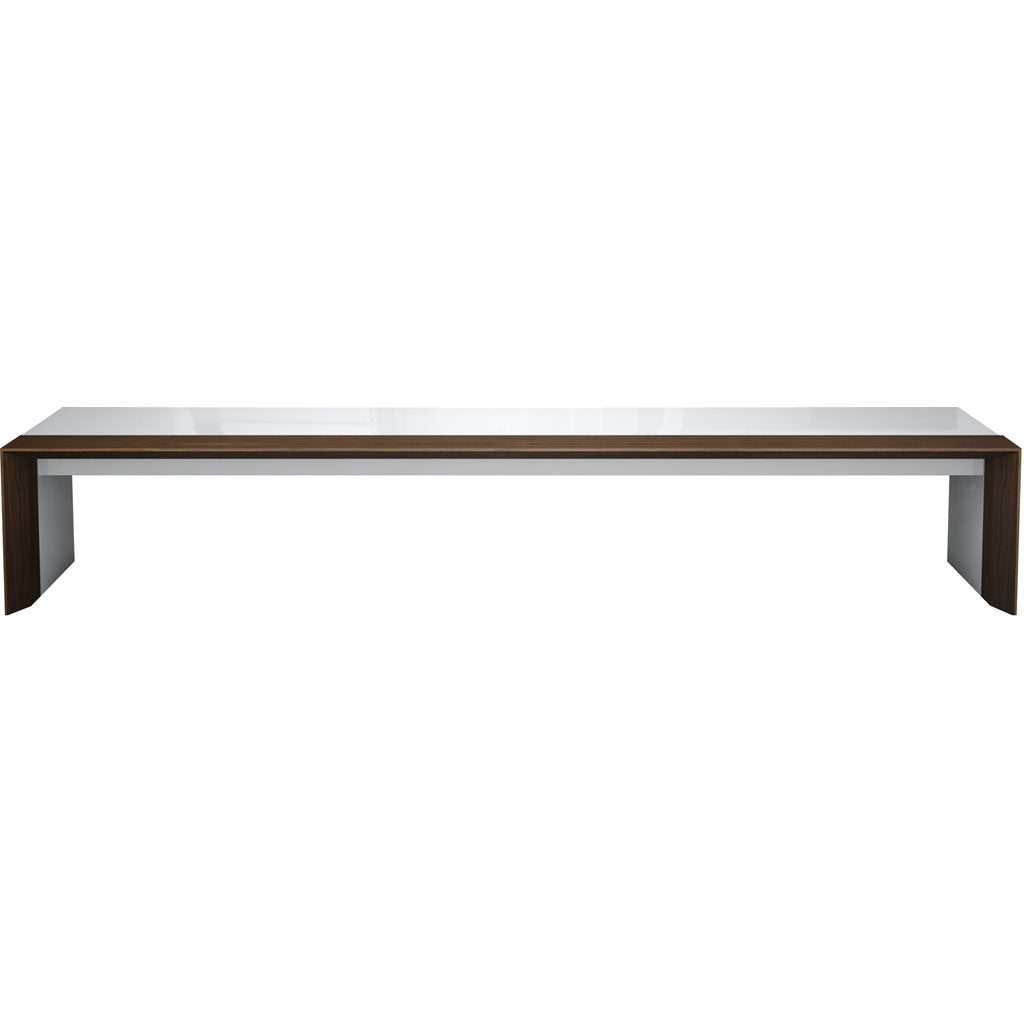
While coffee table height is pivotal, its width must complement the seating arrangement for optimal functionality and visual coherence. Note that when we say width, we also mean length -- we're referring to the main side of the coffee table that you see when sitting on the couch facing the TV.
Coffee table width based on sofa width

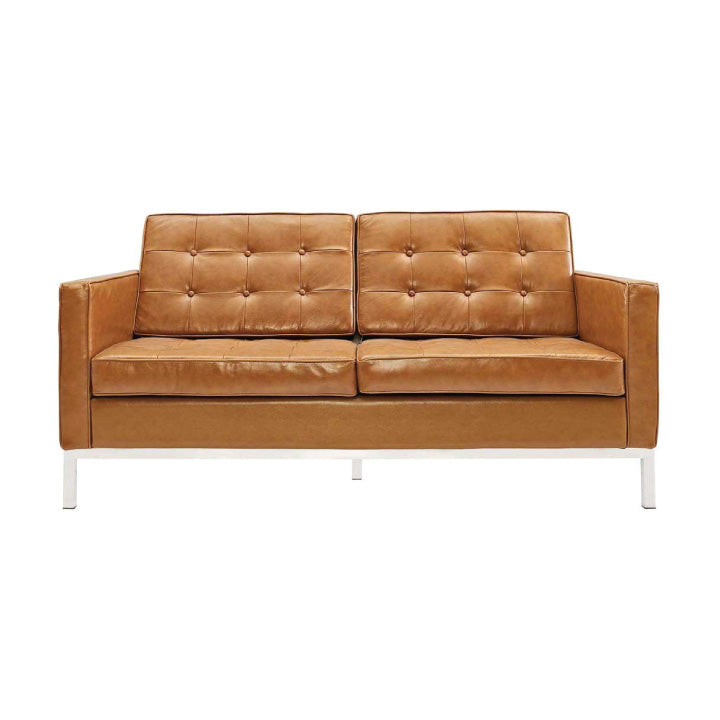
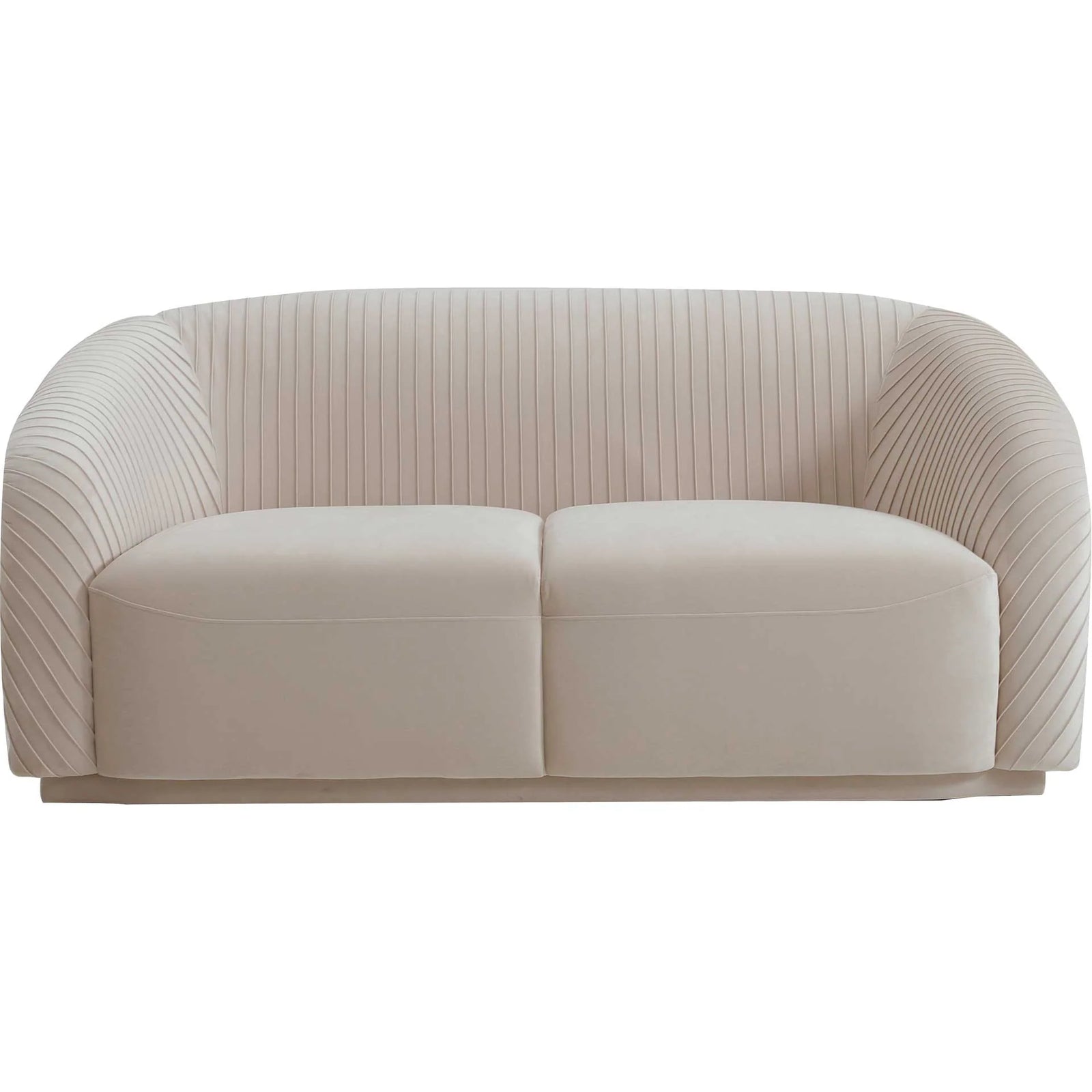
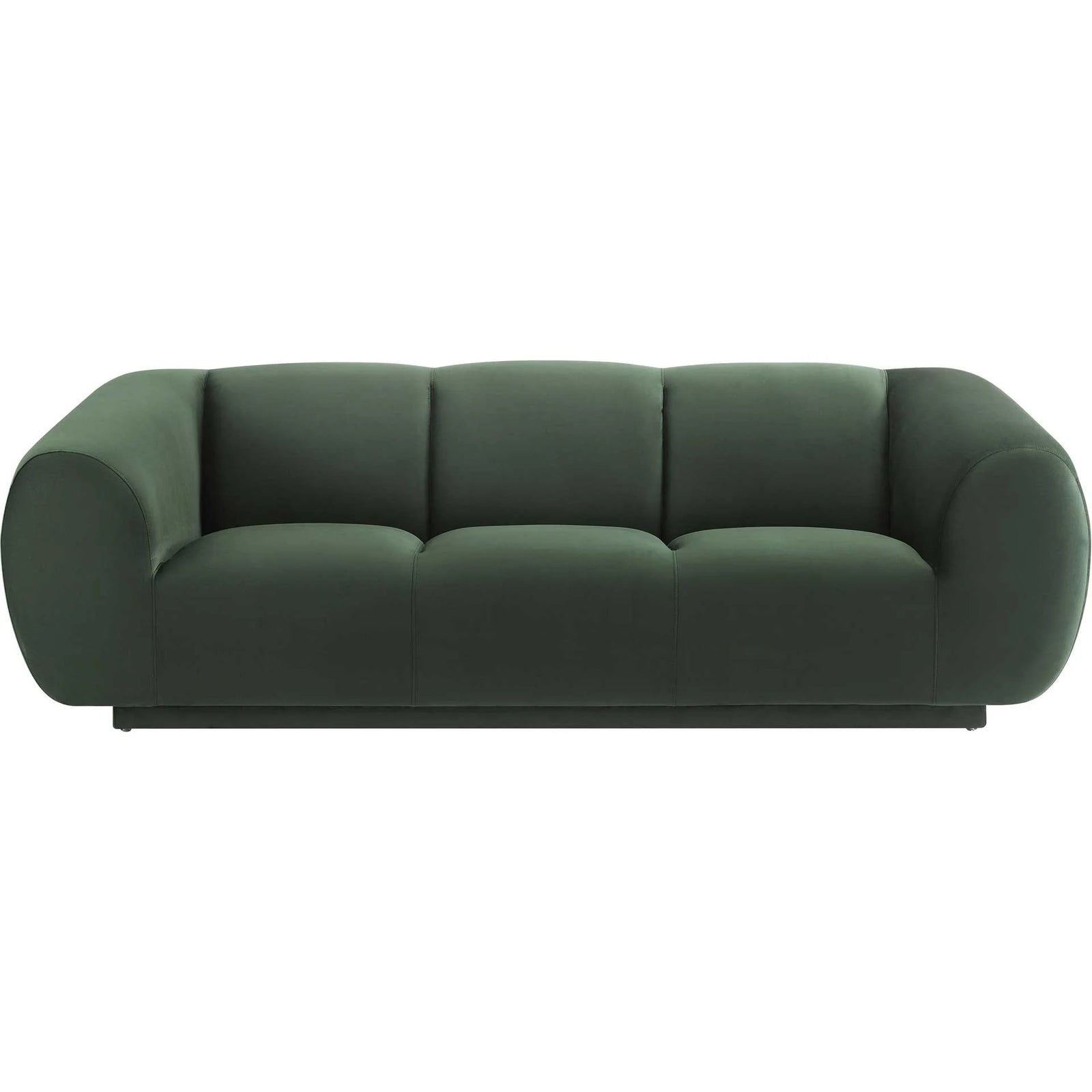
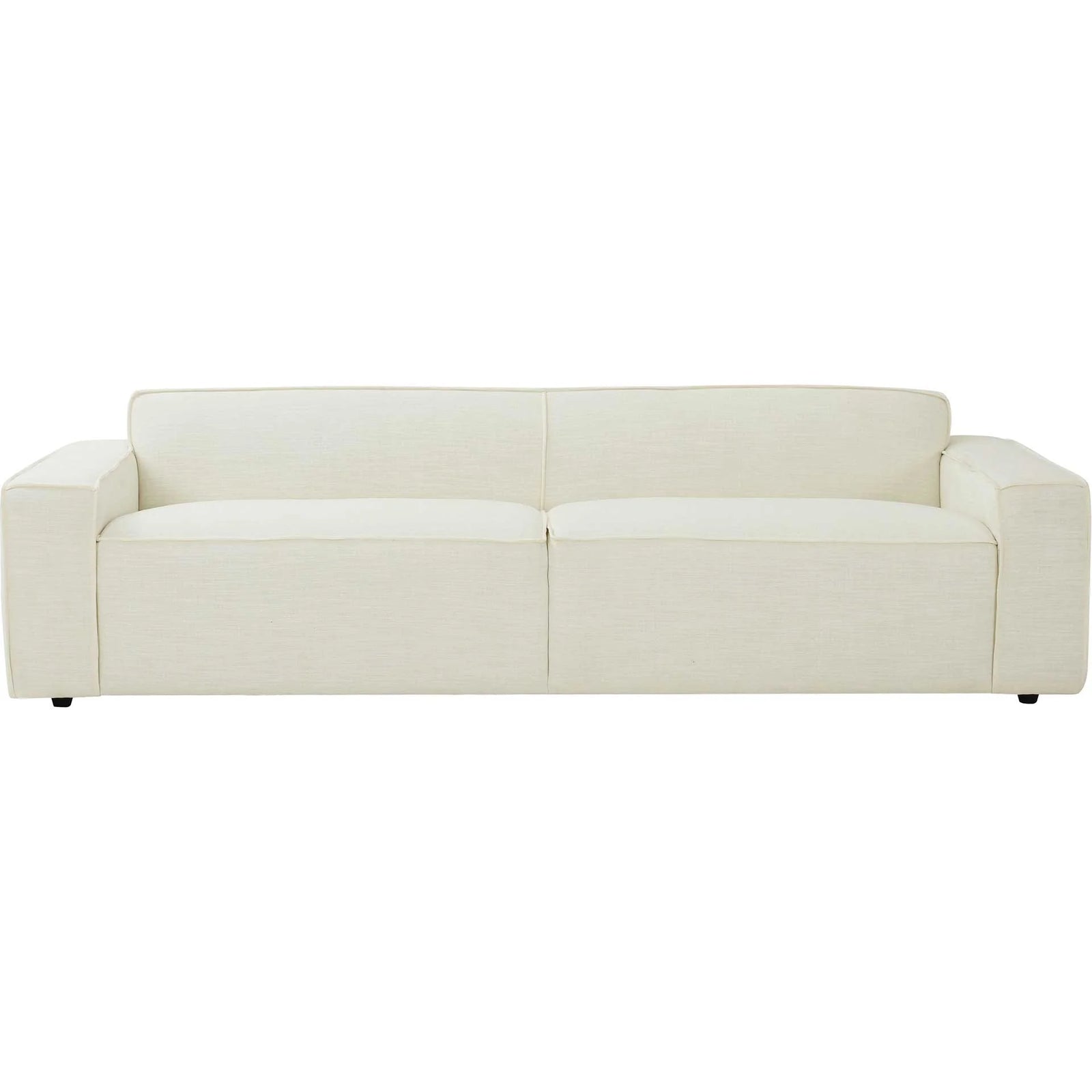
As a rule of thumb, the width of your coffee table should be roughly 2/3 the width of your sofa. This ratio ensures easy access to table space for each person seated on the couch, while not being so wide as to block walkways or look awkward.
Here are some common couch widths and their recommended coffee table widths:
| Sofa Width | Ideal Coffee Table Width |
|---|---|
| 64 inches (loveseats) | 42 inches |
| 82 inches (standard sofas) | 56 inches |
| 96 inches (4-seater sofas) | 64 inches |




Coffee table width for sectionals vs. regular couches
Whether you choose a regular straight couch or a sectional can influence your coffee table width selection. L-shaped sectionals come with a chaise, which can potentially crowd that side of the table.
For regular, straight sofas, just pick a coffee table that is around two-thirds the width of your couch. Just reference the table provided above. If your couch features wide armrests, you might want to consider a coffee table width that's a bit shorter (and vice versa for sofas with narrow armrests).
When determining the coffee table width for your L-shaped or U-shaped sectional, make sure to consider only the main, non-chaise part of the sectional. Your coffee table width should be 3/5 to 2/3 of this section of the sectional. Because the chaises will jut out and run parallel to the left of right side of the table, the width will have to be slightly shorter to still allow space for walking around it.
Pros & cons of short vs. long coffee tables
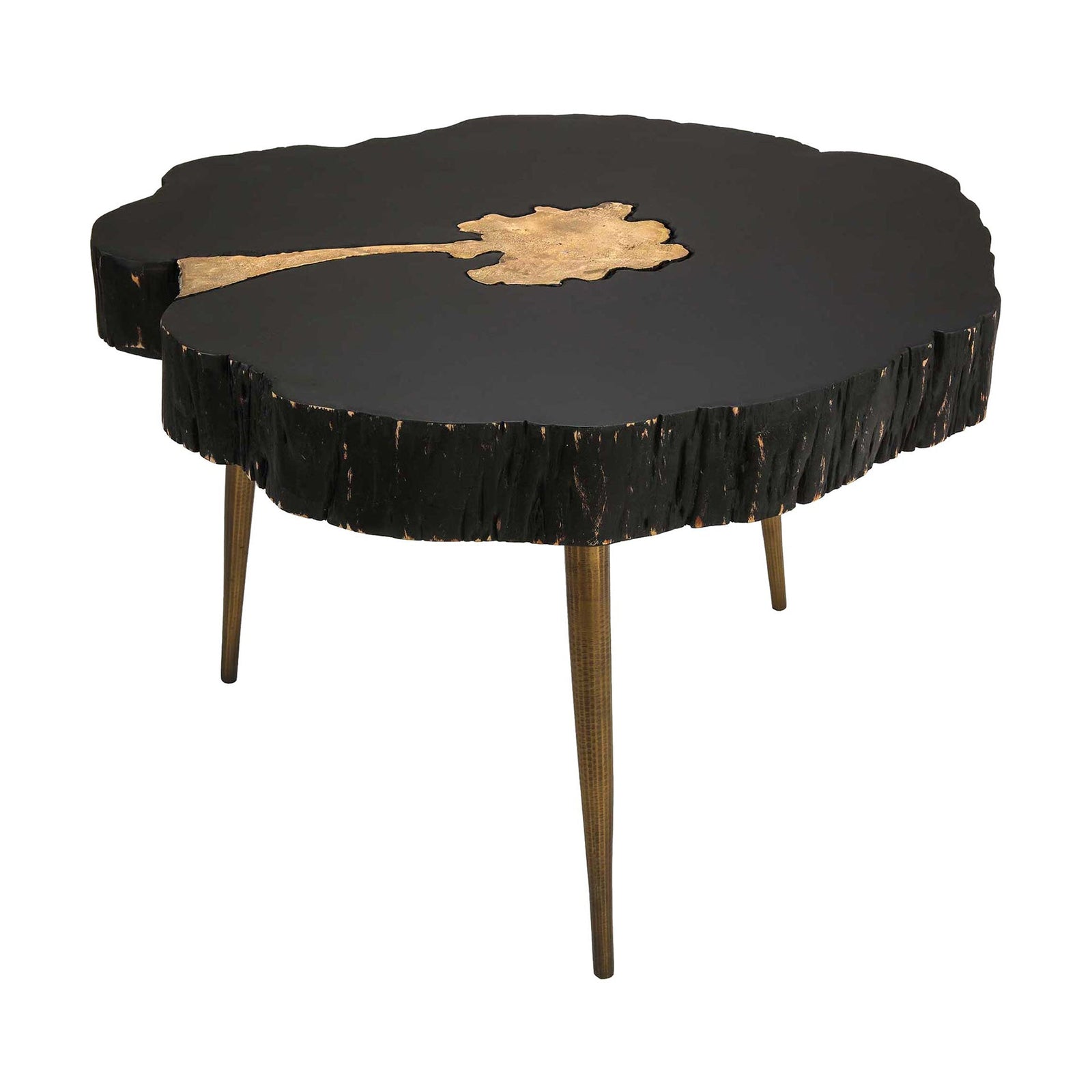
Short coffee tables (width/length under 30 inches wide):
Pros
- Short coffee tables are easy to walk around, making them great for small family rooms and studios
- Short coffee tables best match with narrow sofas, loveseats, and small sectionals.
- Due to their shorter width, they're typically lighter and their position can be more easily adjusted (ex., when using it as a dining surface, you can bring the table closer to you).
Cons
- Shorter width coffee tables offer minimal surface space, so they can feel crowded and are almost unusable for decorative display.
- If you expect multiple people to simultaneously use the table on a regular basis, small coffee tables are not for you.
Long coffee tables (width/length over 48 inches):
Pros
- Long coffee tables provide tons of surface space for everyone seated along a couch, as well as anyone on the other side of the table
- Long coffee tables are multifunctional and best serve larger families.
- Great in larger rooms and open-plan layouts
Cons
- Long coffee tables visually look heavy and are likely to dominate in small rooms or low-profile furniture nearby.
- Wide coffee tables need ample space around it to avoid inadvertently bumping into it.
- Typically, heavier and more difficult to adjust their position.



How to Choose the Perfect Coffee Table Depth
Depth is the most overlooked dimension when considering coffee table size, yet it has massive impact on flow, room layout, and usability.
Coffee table depth based on TV size and distance to TV stand

There are 3 things you need to consider when determining your coffee table's depth: (1) your TV size, (2) distance your couch sits from the TV stand, and (2) space between the TV and your coffee table.
Here are some common TV sizes along with recommended couch distance and coffee table depth:
| TV Size | Couch to TV Distance | Coffee Table Depth | Coffee Table to TV Distance |
|---|---|---|---|
| 43-inch | 5 feet | 18 inches or less | 24 to 30 inches |
| 50-inch | 6 feet | 18 to 30 inches | 24 to 36 inches |
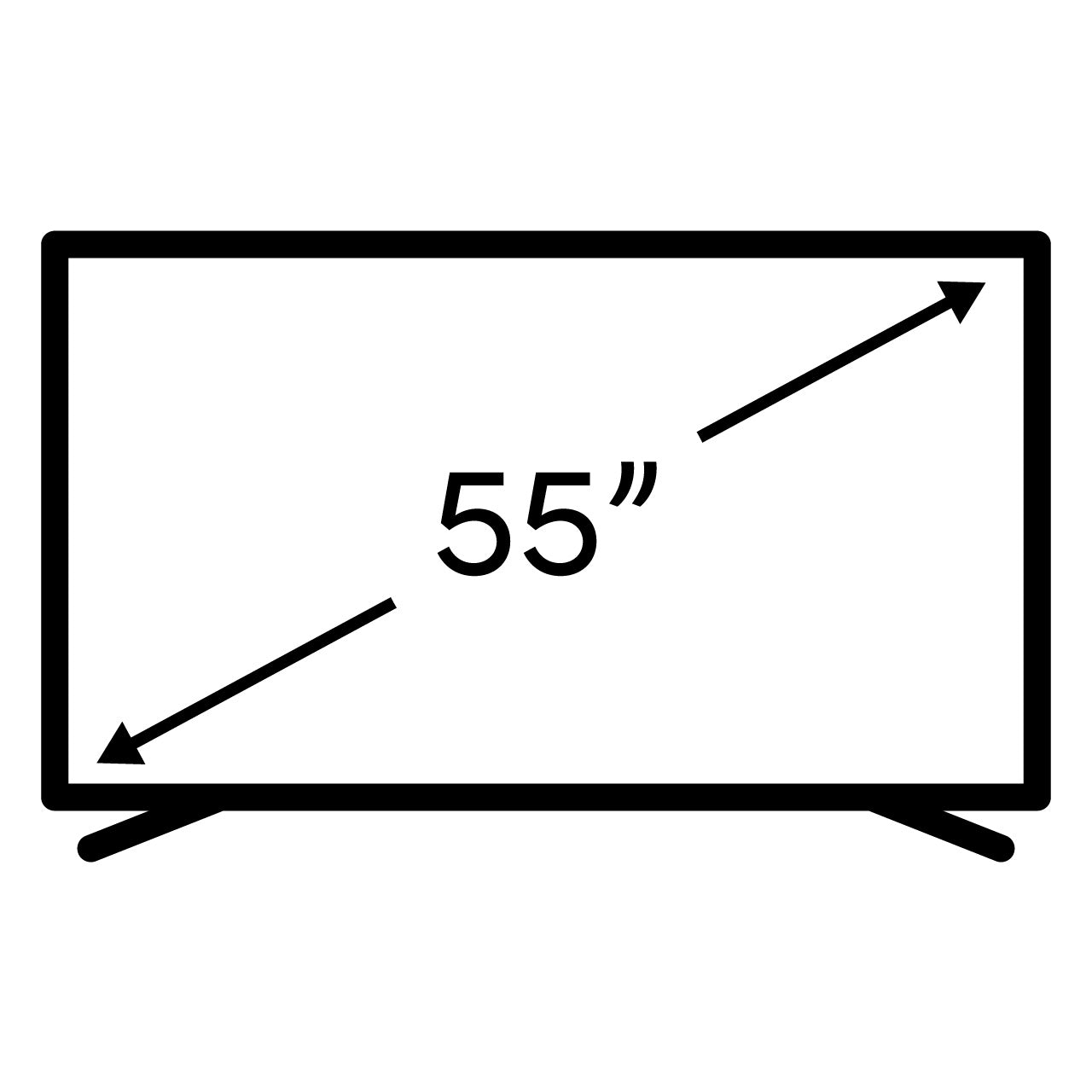
| 55-inch | 6 to 7 feet | 18 to 36 inches | 30 to 42 inches |
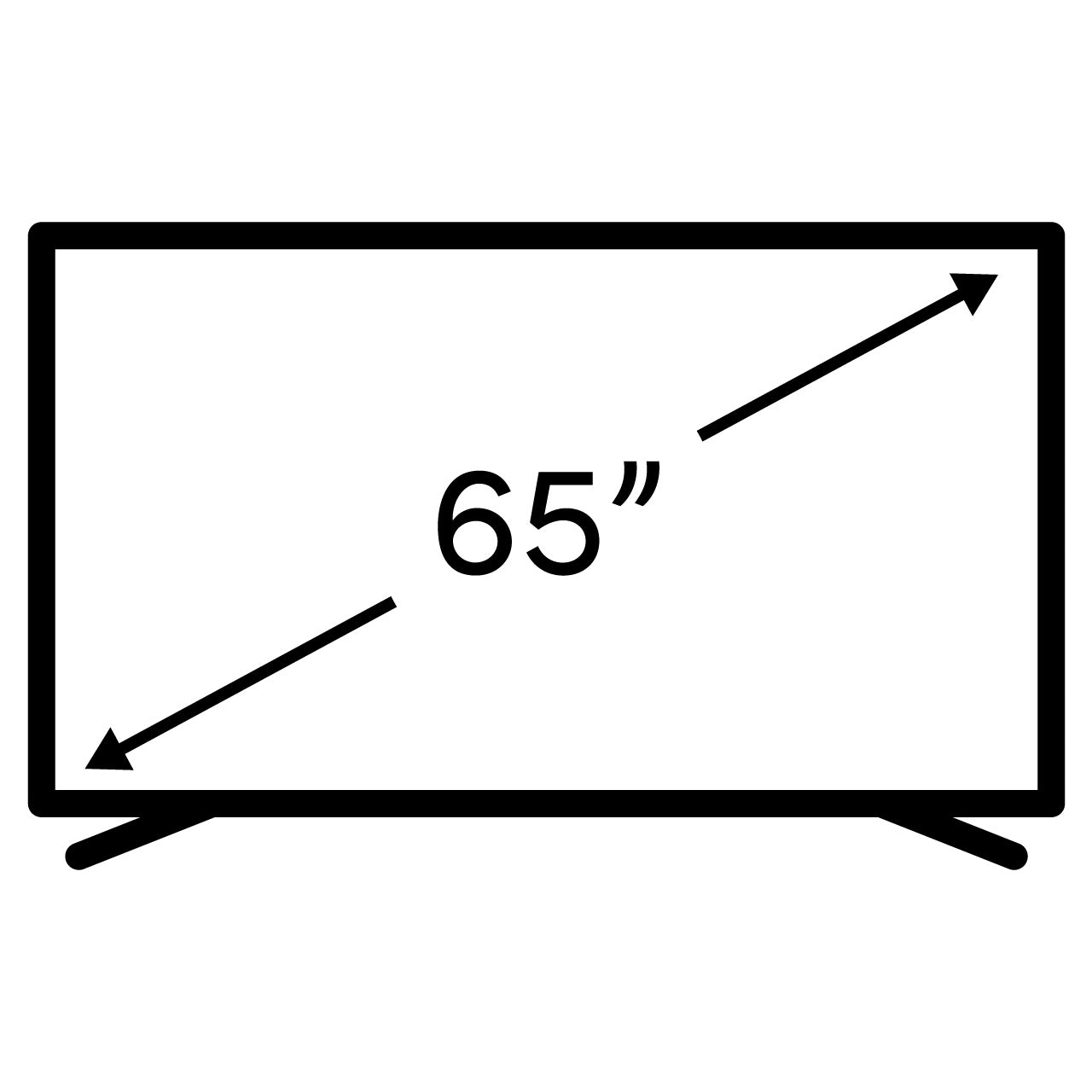
| 65-inch | 7 to 8 feet | 24 to 42 inches | 30 to 42 inches |
| 75-inch | 8 to 9 feet | 30 to 48 inches | 36 to 48 inches |
| 85-inch | 9 to 10 feet | 36 inches or more | 42 to 54 inches |
For smaller 43-inch to 50-inch TVs, there should be around 30 inches of space between the TV and your coffee table. For common 55-inch to 65-inch TVs, there should be around 36 inches of space between your TV and coffee table. For large 75-inch to 85-inch TVs, you should ensure 42 inches of space between TV and coffee table.
The distance between the TV and coffee table should be around 3/5th the diagonal screen size of your TV, which ensures that 2 people can walk through the space comfortably. They also assume your TV is placed around 1.5 times the diagonal screen size of your TV, which optimizes viewing distance. Finally, these distances assume that your coffee table is placed 18 inches in front of your couch to ensure the perfect amount of legroom.
To summarize, here's how to determine your coffee table depth:
- Measure the distance between your sofa and the TV stand, which should be around 1.5 times the diagonal screen size of your TV.
- Subtract the legroom space between your couch and coffee table, typically around 18 inches.
- Subtract the walking space between your TV stand and coffee table, which should be around 3/5th the diagonal screen size of your TV.
- The remaining space is your ideal coffee table depth.




Coffee table depth based on additional seating to the side of table

If you're creating a complete conversation area with a primary sofa plus side seating like accent chairs, chaise lounges, or loveseats, the coffee table must be deeper to accommodate these extra chairs and couches.
The depth of the coffee table should be two-thirds the width of the loveseat or chaise flanking it on the sides. If your layout is asymmetrical with two different pieces on each side (for example, loveseat on the right and an accent chair on the left), the depth should be measured based on the longer of two pieces.
Pro Tip: Square coffee tables are the most popular shape for conversation areas. If you're planning to pair accent chairs with your main couch, round coffee tables are a great option as well.
Pros & cons of narrow vs. deep coffee tables
Narrow coffee tables (depth under 18 inches):
Pros:
- Narrow coffee tables are perfect for small spaces where the couch need to be closer to the TV.
- They make more space available for walking in front of the table.
- Narrow coffee tables are less hefty, so you can more easily move it closer or farther from you depending on use and activity.
Cons
- Narrow coffee tables can feel small, so using it for dining with multiple plates, bowls and cups will be difficult.
- Along the same line, cups and objects on top will be more easily knocked off, so they're not practical for entertaining lots of guests.
Deep coffee tables (depth over 30 inches):
Pros
- Deep coffee tables can cater multiple people seated on each side of the table, making them perfect for entertaining guests and board games.
- The larger surface area allows you to dedicate part of it for decorative books and displays while still having space for everyday use.
Cons
- Unless you place chairs or loveseats on the side of the table, they can look awkward if paired with just a single couch/sectional.
- It can be harder to grab objects placed in the center or opposite side of the coffee tables.
- Can be difficult to walk around since they jut out so much.



Other Considerations for Coffee Table Dimensions
Clearance underneath the table
Depending on your needs, you'll want to consider how much clearance you want underneath your table.
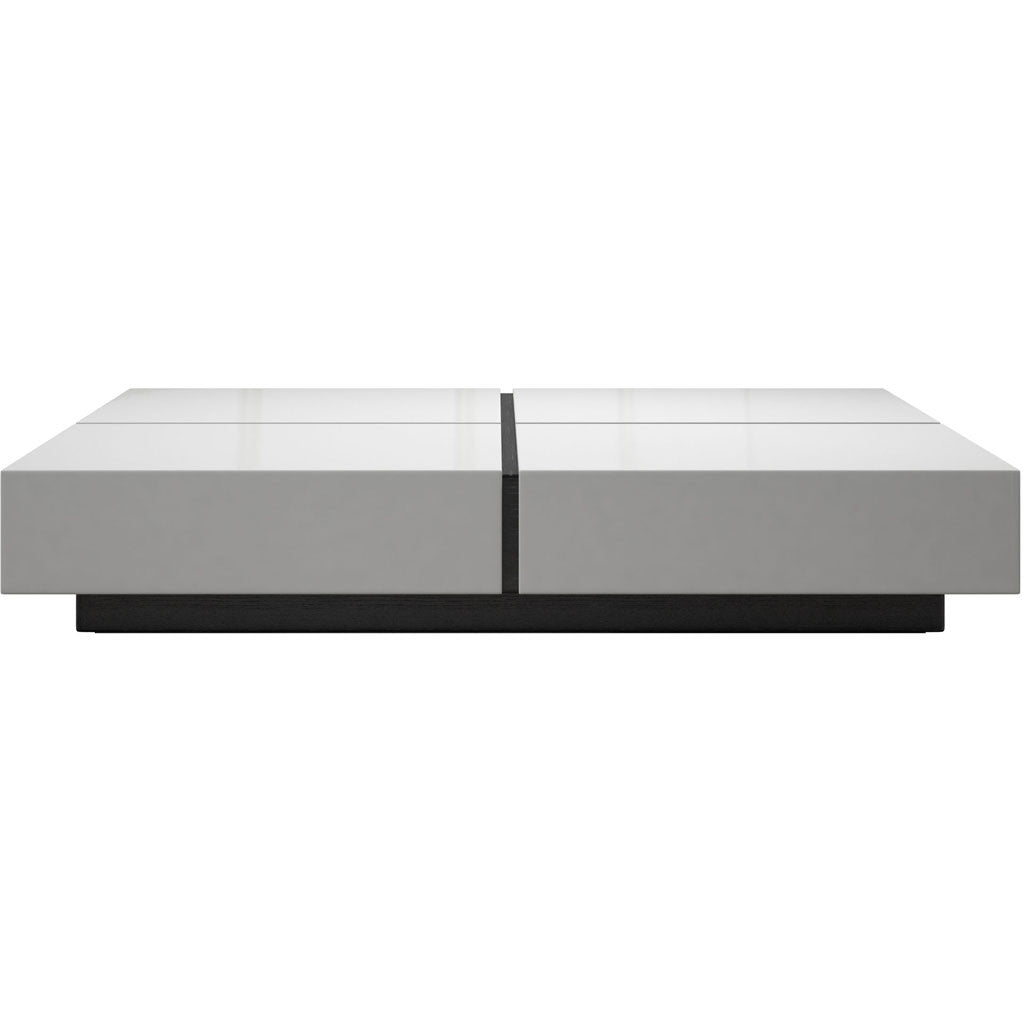
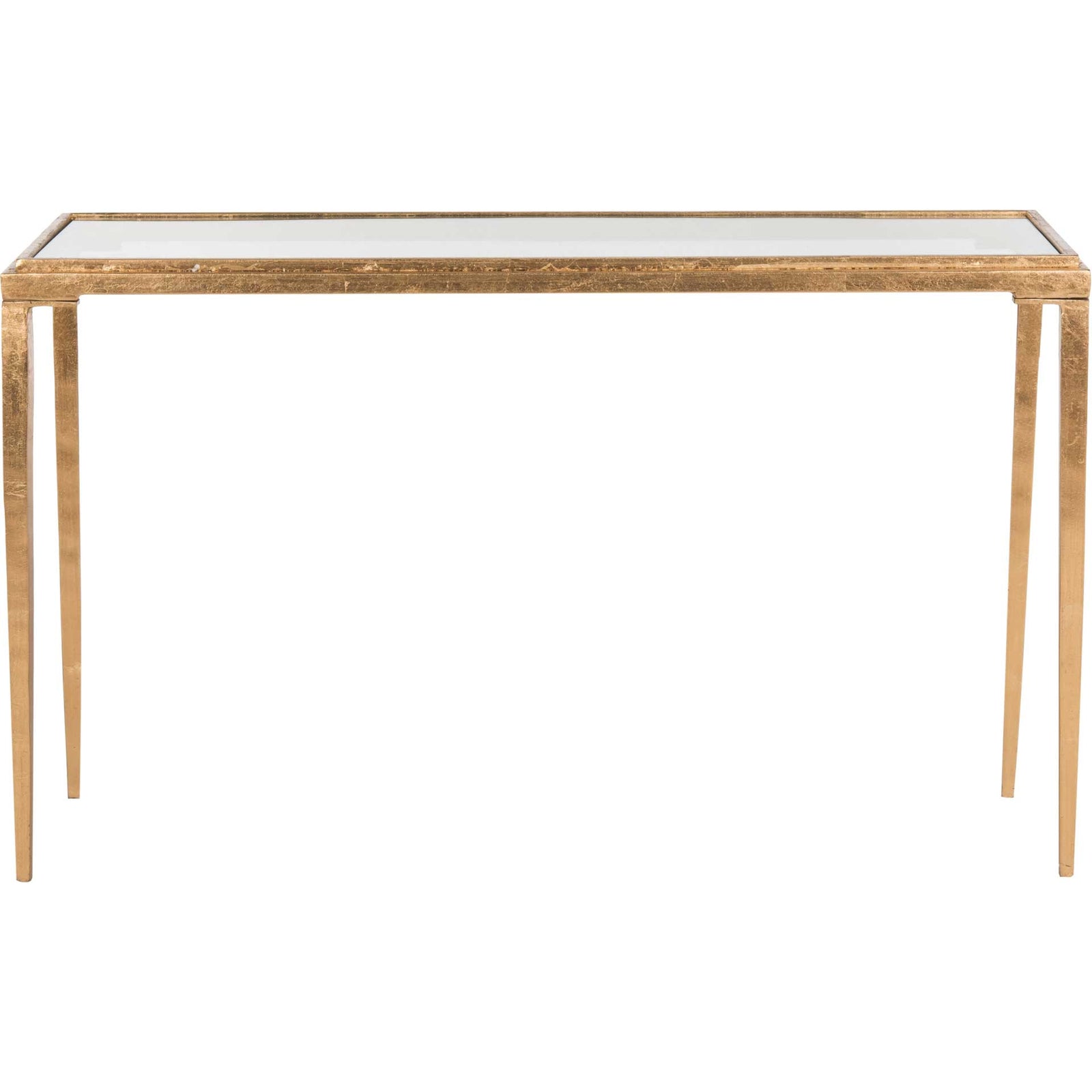
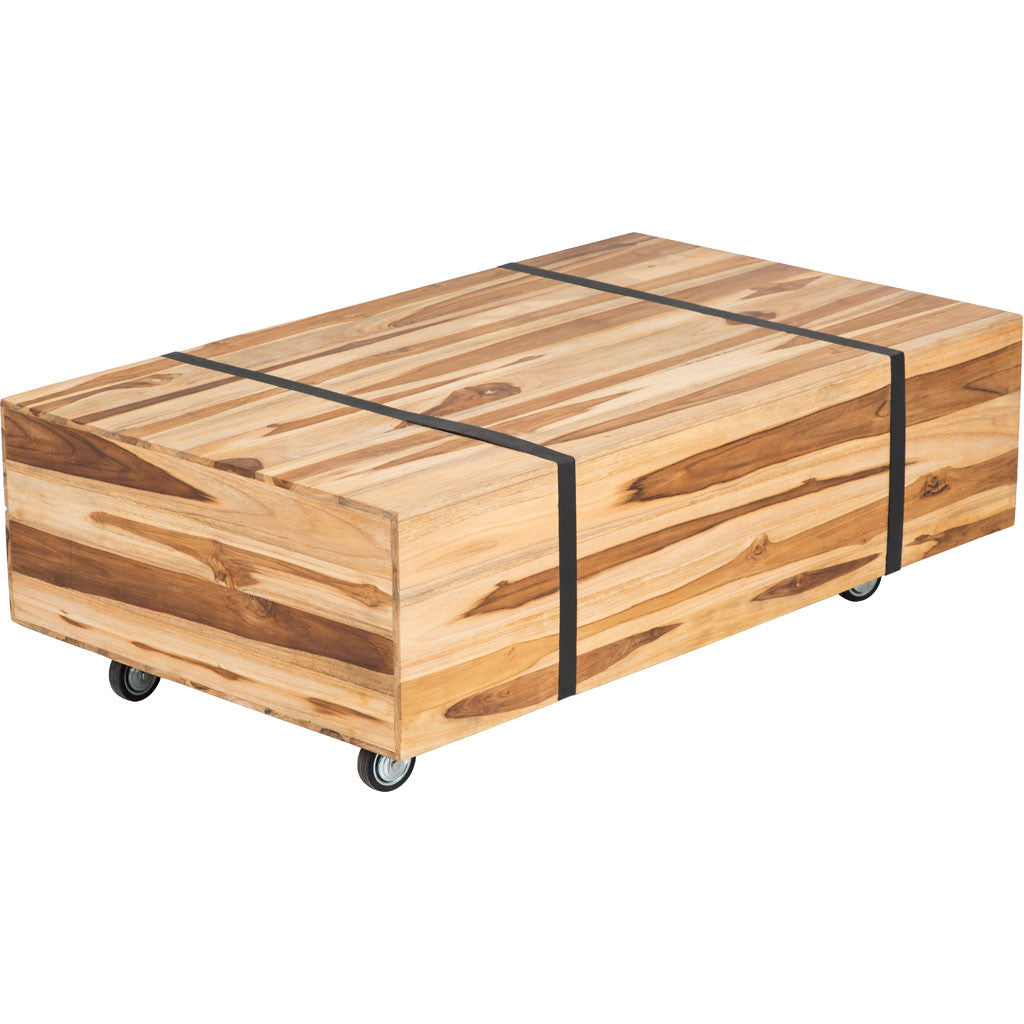
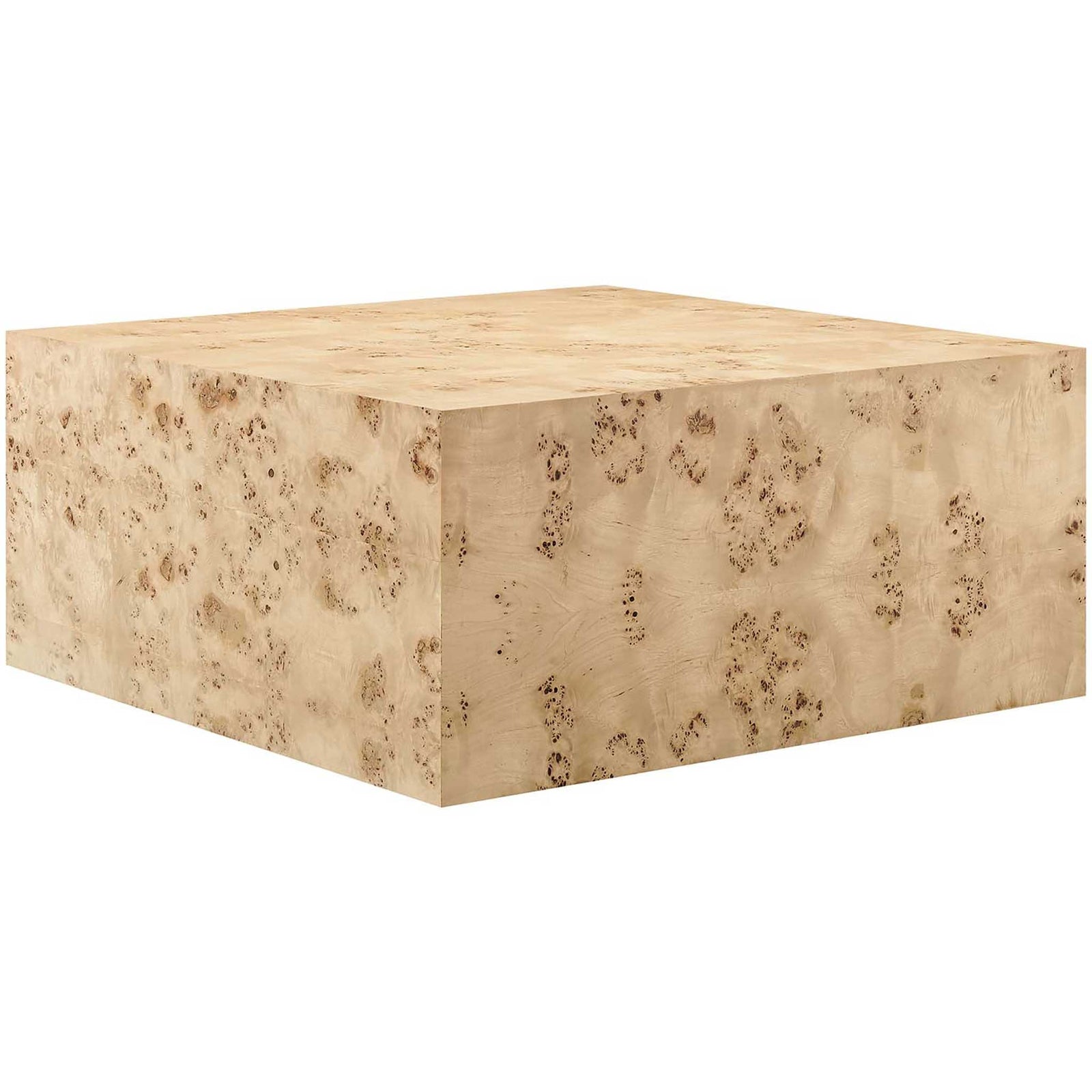
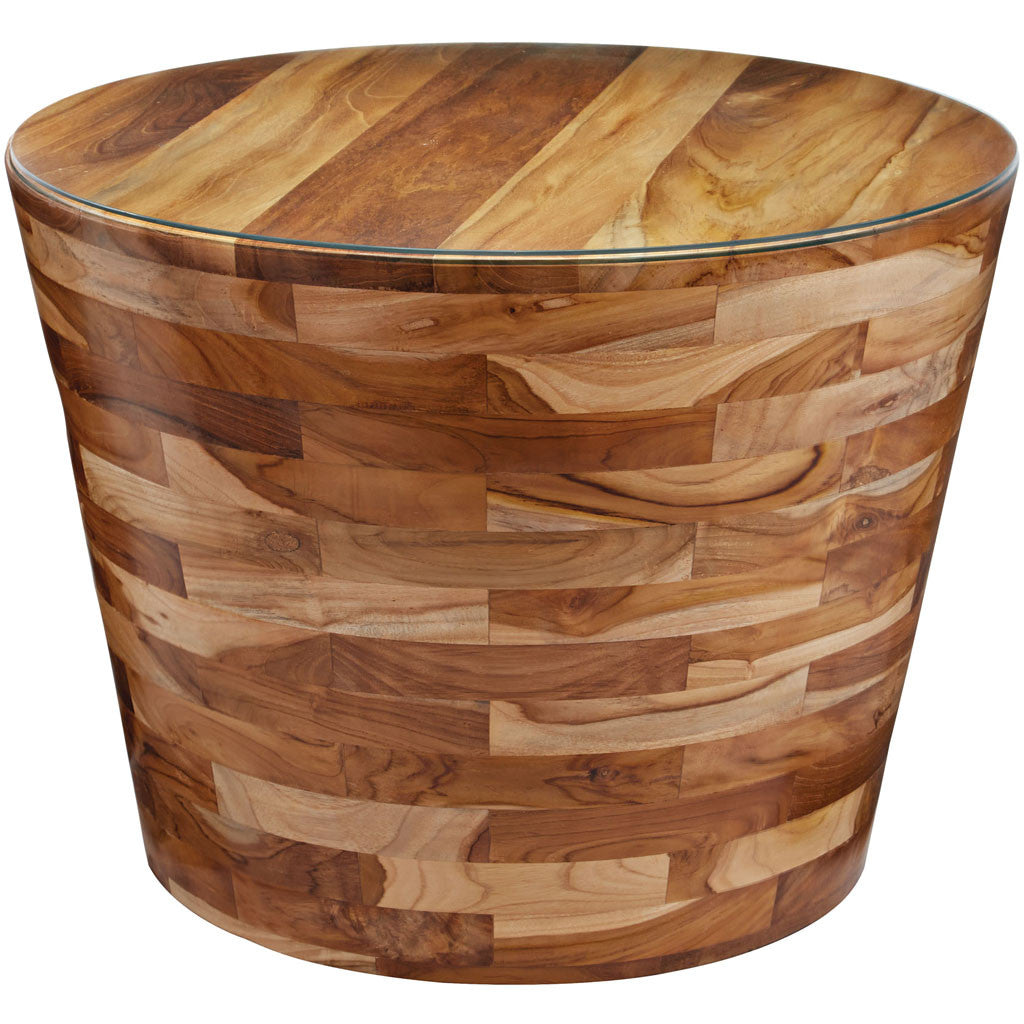
If you want space to stretch out your legs or room for robot vacuums, you'll want 6 inches of clearance under the tabletop. Otherwise, if you don't want to regularly clean and vacuum dust beneath your table, you might want a solid block coffee table or drum coffee table that have no clearance at all.
Walking space around table area
18 inches of space is recommended between the coffee table and any nearby sofas or accent chairs for comfortable legroom and movement. Make sure you get a table with width/length and depth that can satisfy this requirement (16 inches is the minimum).
Between the coffee table and TV stand, the suggested walking space is between 24 to 54 inches depending on distance of the coffee table to the TV stand. Refer to the table provided earlier to find the distance that's right for your TV size and table depth.
"Circulation space is non-negotiable," says designer Sarah Sherman Samuel. "I'd rather see a slightly undersized coffee table with proper walking clearance than a perfectly proportioned table that forces people to shimmy awkwardly around the room. Remember that beautiful rooms should still be livable rooms."
Nesting tables and table clusters
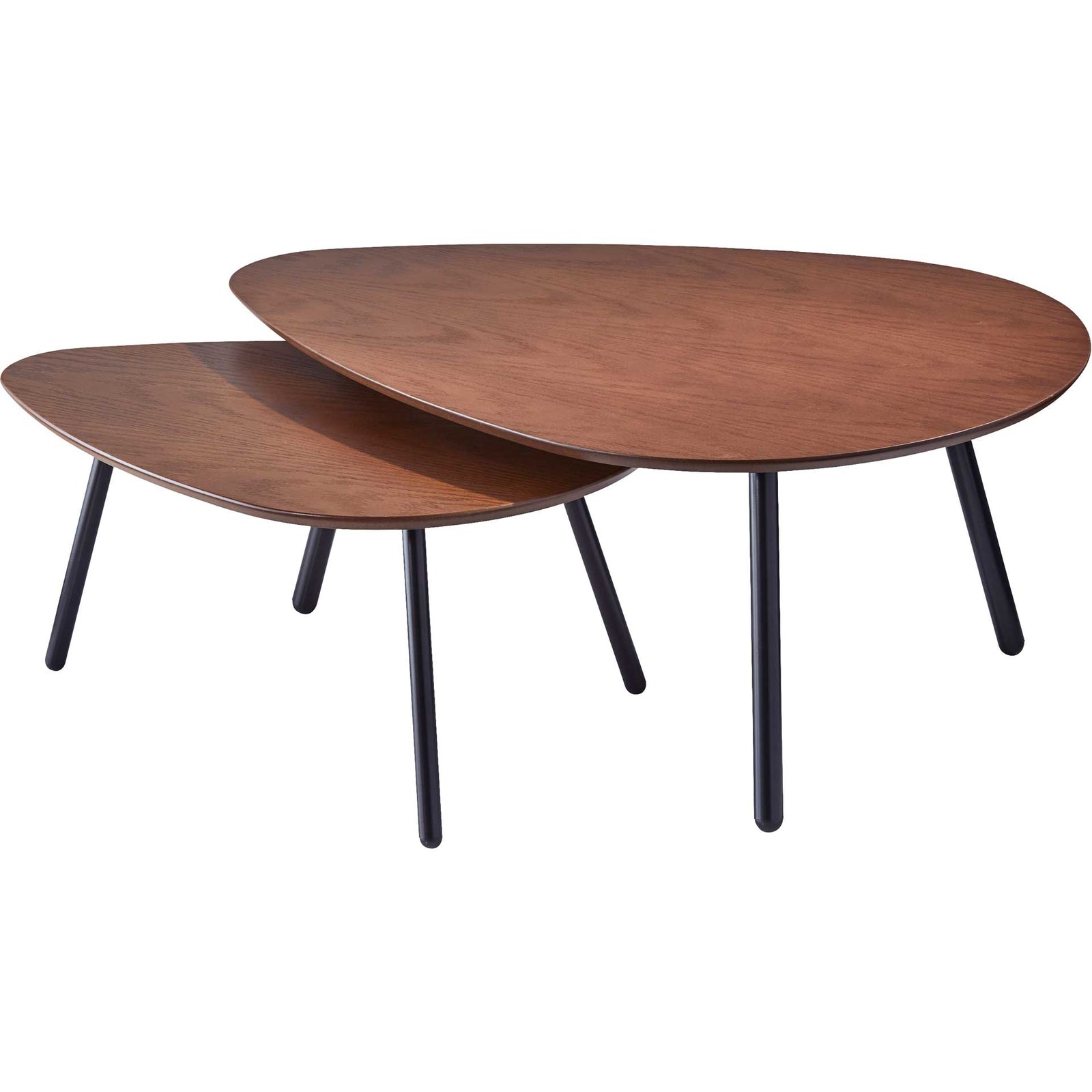
Nesting tables are a set of two or more tables that slide underneath each other. Table clusters involve two or more tables that don't necessarily have the stacking features of nesting tables, but are intended to be placed next to each other for use and aesthetics. They're both great in studios and small spaces as they can space save when stacked, and can offer individual tabletops to each person seated around it.
When determining the width of the nesting tables and clusters for your lounge area, add the width of each individual table side-by-side to get the maximum expanded width, then ensure that it's two-thirds the width of your couch. For the height, make sure that the tallest table is no more than 3 inches above the couch's seat height.



How to Choose the Shape of Your Coffee Table
Rectangular & square coffee tables
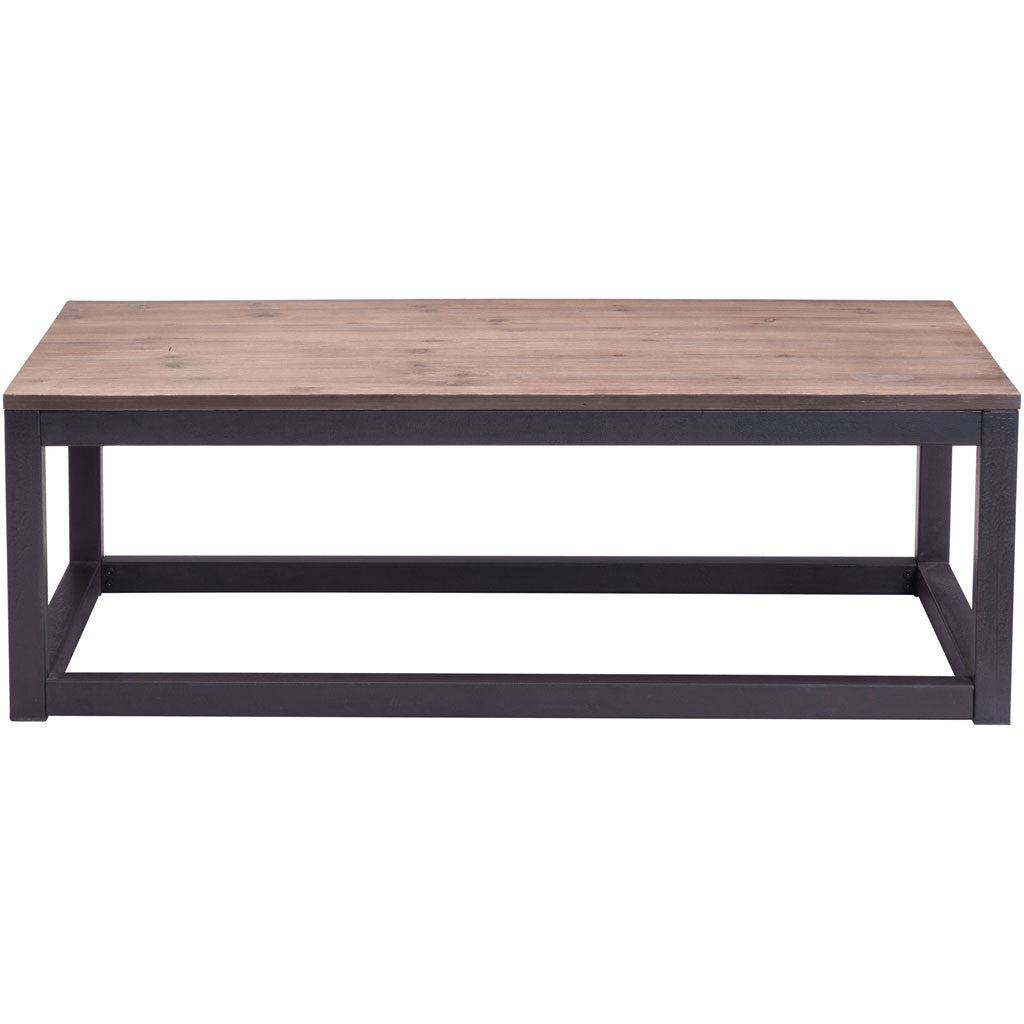
Rectangular coffee tables are the most common shape for a coffee table for a reason. If your seating area feature just a single couch or sectional, a rectangular coffee table maximizes usable surface space for each seated person. A lot of the missing depth in the front of the table (relative to a square table) would have harder to reach anyways, so you're not missing much in functionality while enjoying more walkable space.
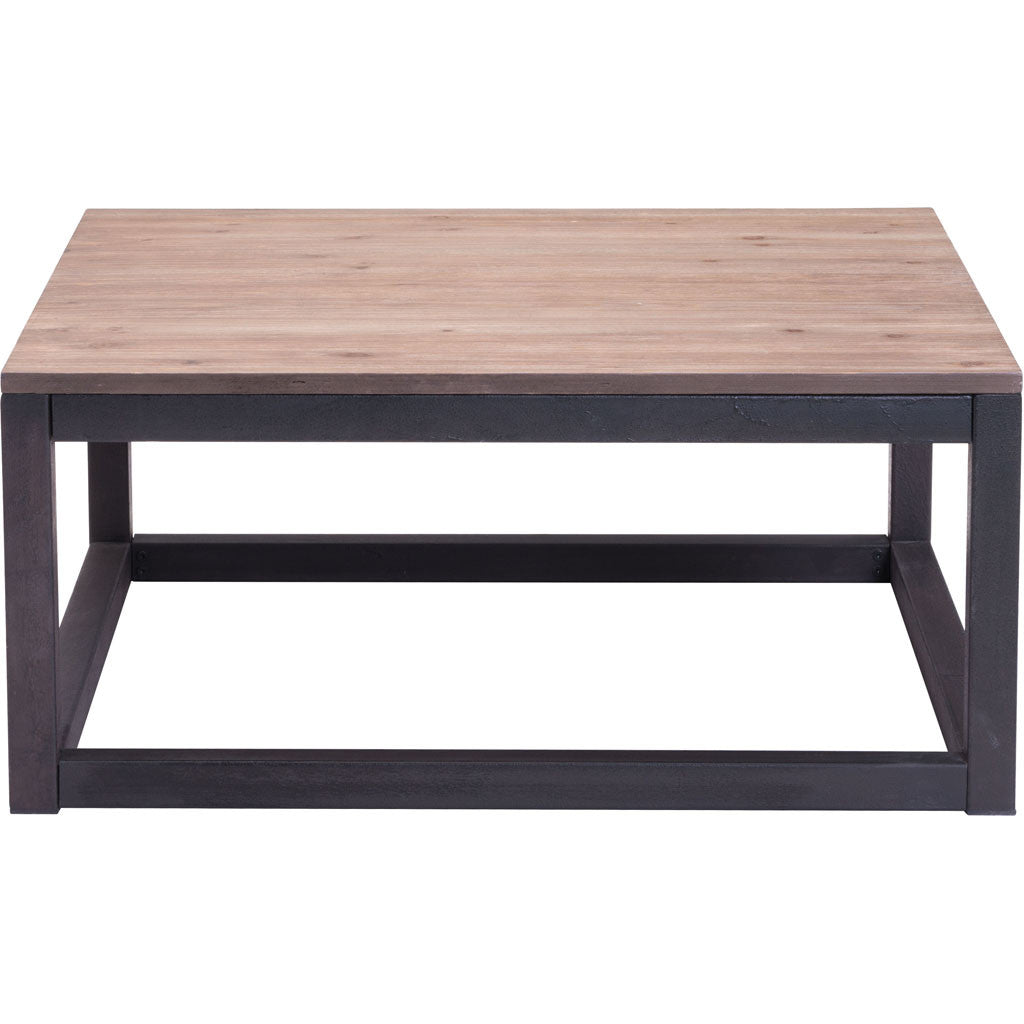
Square coffee tables are best for larger seating areas, U-shaped sectionals, and symmetrical layouts featuring additional accent chairs or loveseats to the left and right of the table. They complete a conversation area set.


Round & oval coffee tables
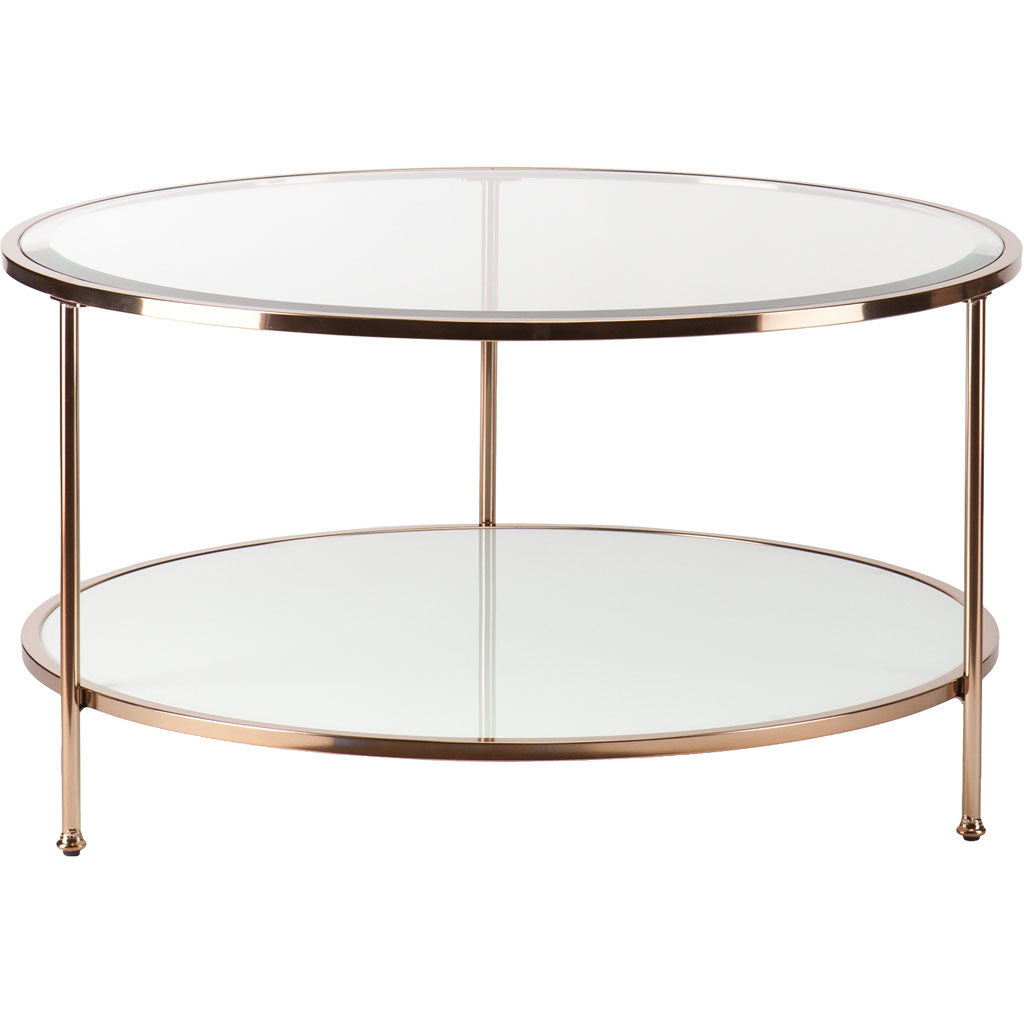
Round coffee tables eliminate sharp corners - perfect for homes with small children or tight spaces. Without corner edges, round coffee tables are the best shaped tables for maximizing flow and walkable space in your lounge area. The symmetrical shape also lends itself well to conversation areas with multiple chairs and couches.
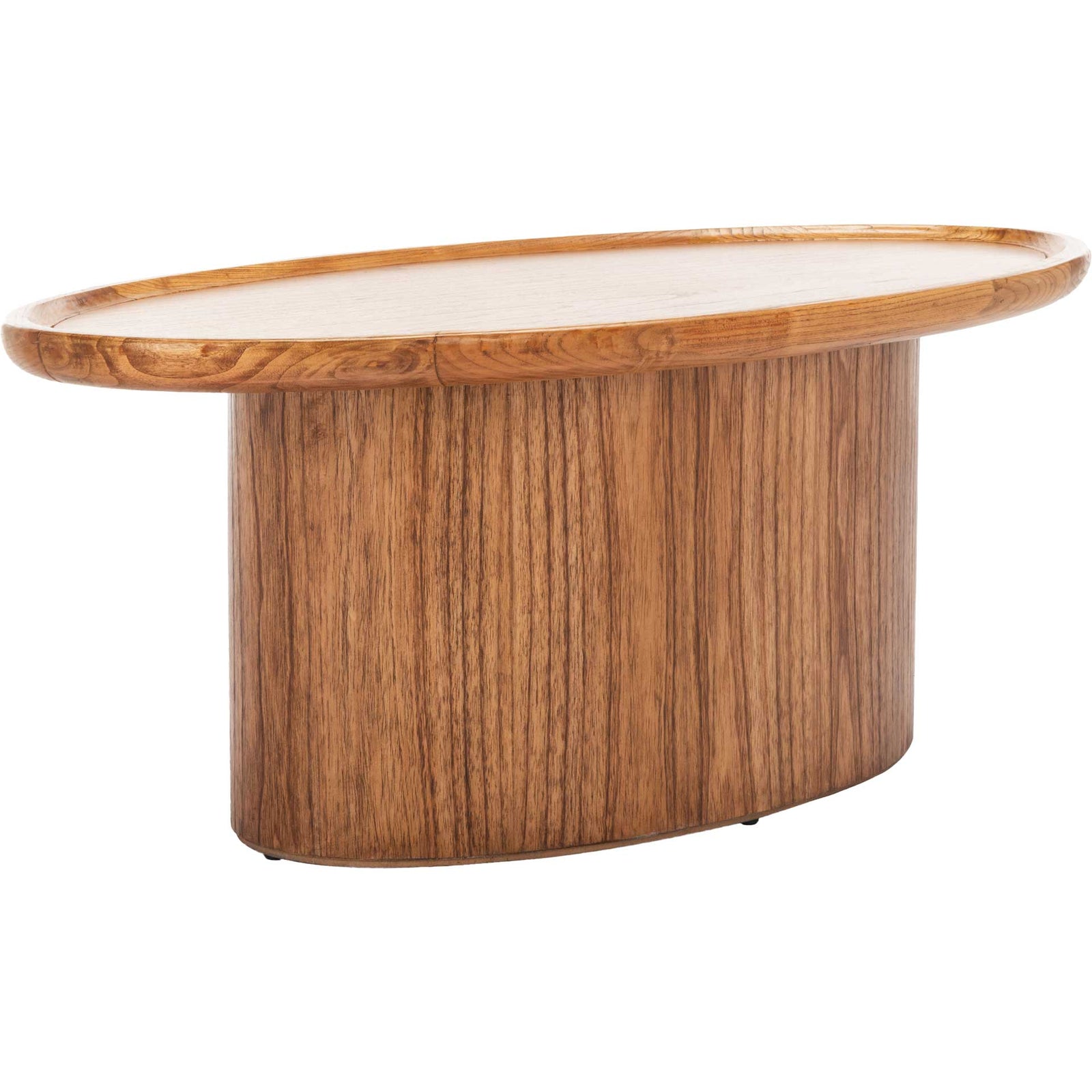
Oval coffee tables are similar, but have the added benefit of offering more tabletop space for each person seated on a lengthier sofa or sectional.


Triangle coffee tables
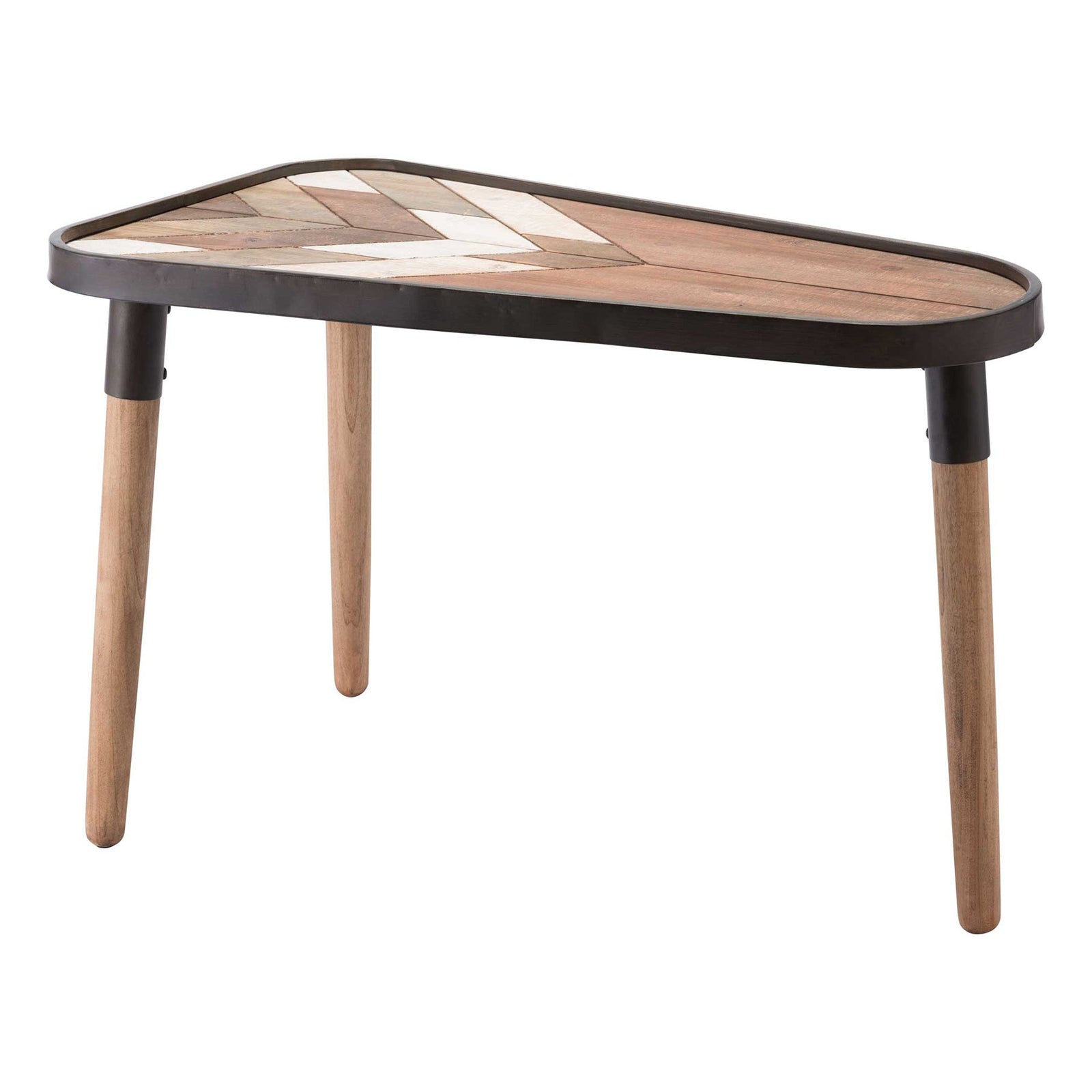
Triangular coffee tables are perfect for pairing with L-shaped sectionals or just standard linear sofas. By positioning the flat side of the triangle table parallel to the couch, each seated person can enjoy plenty of tabletop surface area. The angled, pointed corners save space for walking and improve the flow of the lounge area. In a way, they offer a mix of benefits provided by rectangular and round coffee tables.
Conclusion
Choosing the perfect coffee table goes far beyond picking the piece that simply looks good. The perfect coffee table is about finding the right height, width, depth, shape, and other proportions that match your lifestyle.
The perfect coffee table is an essential part of your day-to-day life and should be selected thoughtfully. We hope with our carefully curated selection guide; you can find your perfect coffee table effortlessly.
Leave a comment
Comments will be approved before showing up.


Polypropylene Rugs Guide: Pros, Cons & Best Use Cases
Polypropylene rugs are budget-friendly, stain-resistant, and easy to maintain — but there's more to consider before buying one. Discover their pros, cons, care tips, and the best rooms to use them in when you shop.


Boho Interior Design Guide: Colors, Furniture & Decor Tips
Learn how to style your home in boho interior design, from warm color palettes and textiles to furniture, lighting, plants, and wall decor. Explore popular bohemian styles and get room-by-room decorating tips for a cozy, personalized space.


What Colors Go With Brown: Top Palettes By Material & Style
Wondering what colors go well with brown? We cover major colors that complement brown, from creamy off-whites to sage green. Our post also touch on best color pairings for brown-colored materials like wood, leather, fabric.


TV Stand Size Guide: Find the Ideal Width, Depth, and Height
Not sure what size your TV stand should be? Read our TV stand size guide to learn practical tips on what width, depth, or height the stand should be based on your TV size, viewing distance, and accessories.


Coffee Table Height & Size Selection Guide
Discover the ideal coffee table height, width, and depth for your living room or lounge area. Learn about the standard coffee table dimensions, measuring rules relative to couches and other nearby furniture, and proper fit based on spacing and room layout.


Mid-century Modern Interior Design 101: Decor Ideas & Design Tips
Discover the essentials of mid-century modern interior design. We cover its defining features, iconic furniture pieces, suitable art and decor, color palettes, and much more. Get simple decorating tips and architectural guidelines to get the perfect MCM look.


Dining Table Height, Bar Height, and Counter Height Guide
Identify the ideal height ranges for dining tables, bar tables, and counter tables, along with the proper seat heights for the chairs and stools to pair with them. Learn to choose a slightly lower or taller table based on use cases, family members, armrests, and more.


Farmhouse Interior Design Guide: Decor Ideas & Design Tips
Learn how to create a rustic and welcoming space with the timeless charm of farmhouse interior design. Learn the key characteristics, popular farmhouse style variations, furniture selection, proper color palette, and other farmhouse decorating tips.