





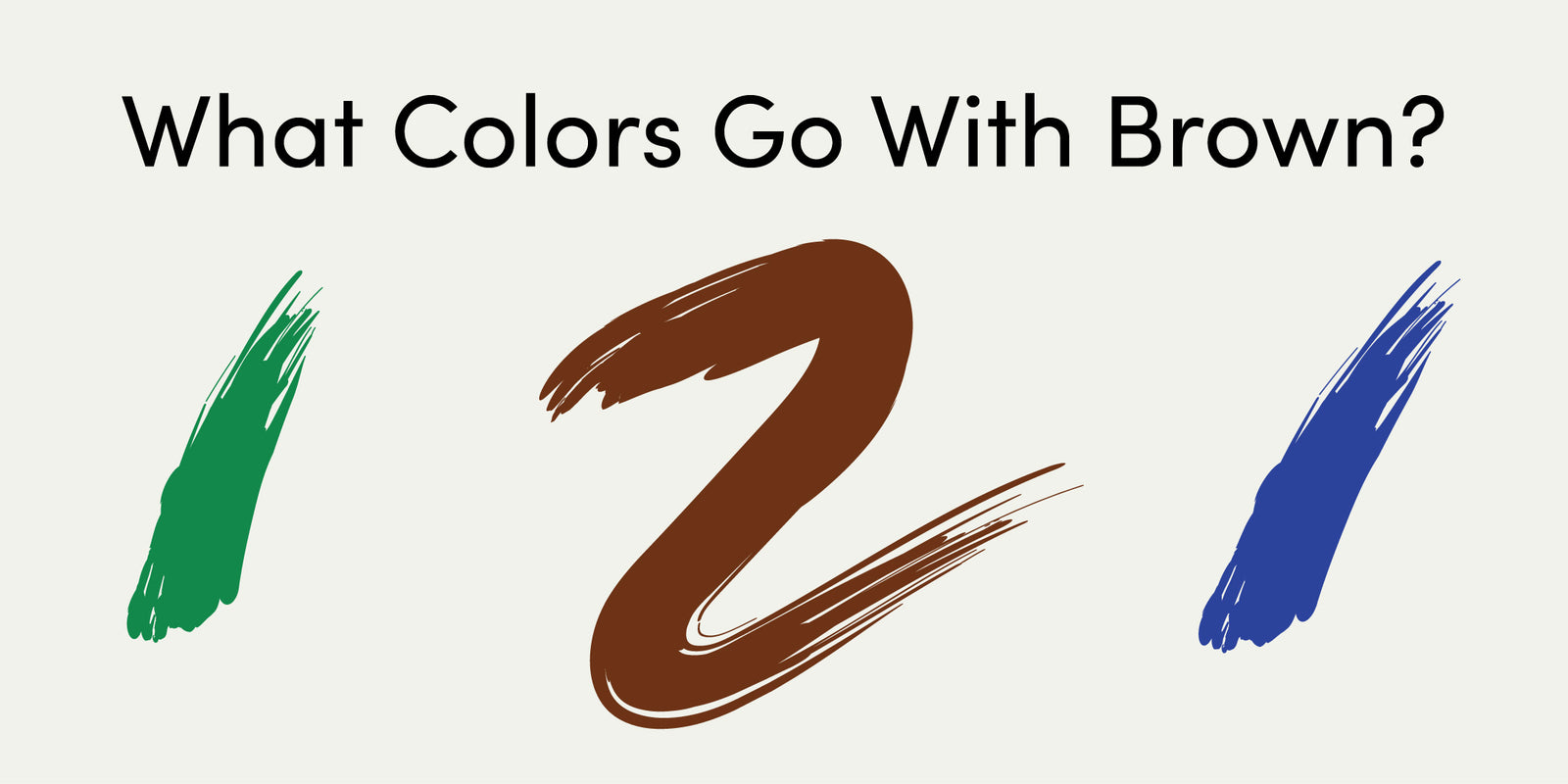

What Colors Go With Brown: Top Palettes By Material & Style
Quick Answer: What Colors Go With Brown
- Neutrals (white, gray, black): Warm white is probably the safest and most versatile choice, as it keeps your space bright and effortlessly clean. Gray works well too, since it adds a bit more depth to your interior. And black, which is typically used in smaller doses, can be great for making brown fabric, leather, or wood tones pop.
- Blue (navy, slate, sky blue): These colors are a classic combination that makes your room feel fresh or exquisite. Choose navy for a richer or more polished look, slate for something elegant, or powder blue if you want the space to feel light or relaxed.
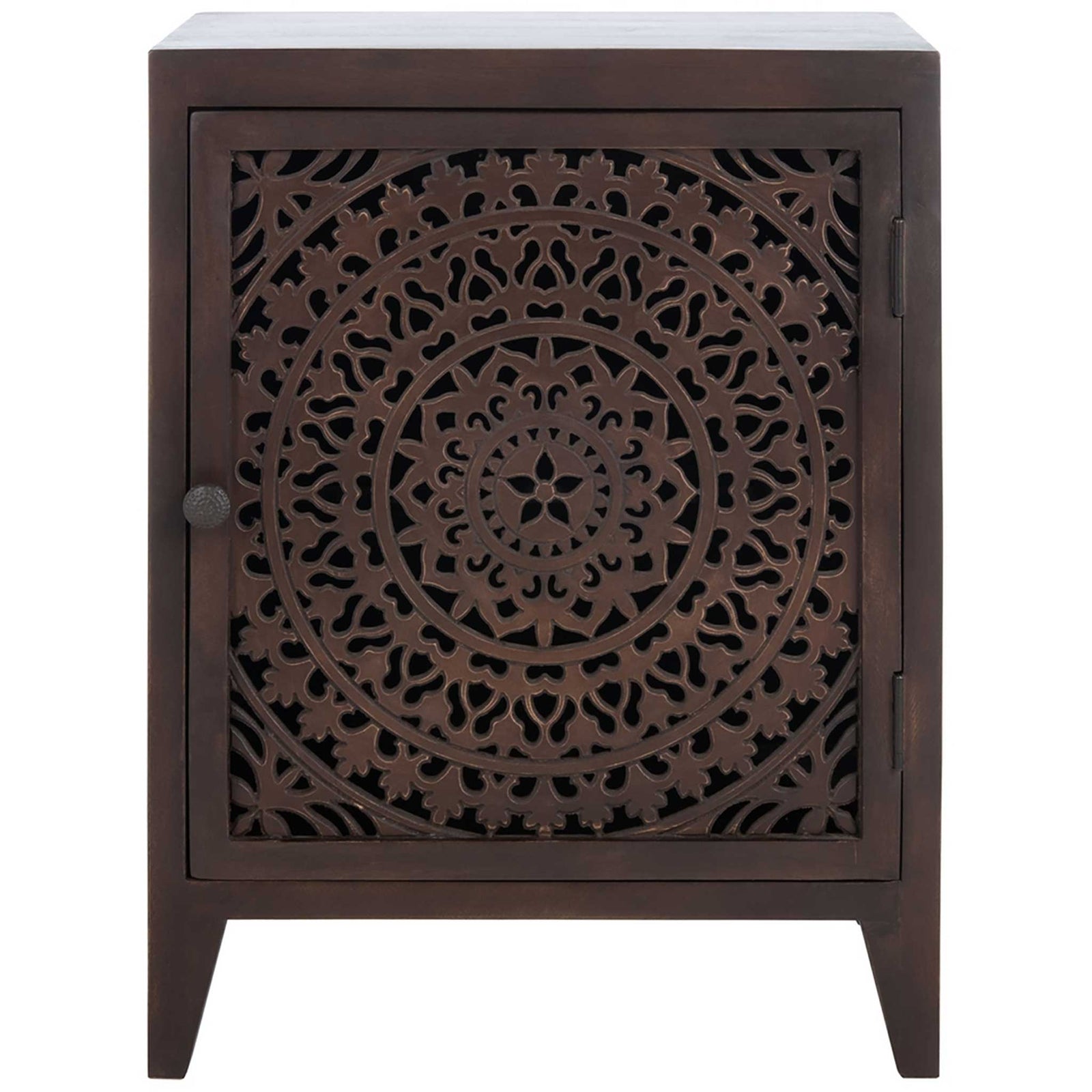
- Green (sage, olive, emerald): Sage green's muted and calming tone matches well with light brown dining tables, while olive green adds warmth. For a bolder look, pair emerald green with an espresso-colored cabinet to show luxury.
- Pink and lavender (blush pink, dusty mauve): Blush pink is a good pick as an accent piece since it is warm enough that it won't pull attention from your wood tones. Dusty mauve is more sophisticated, so it works best in smaller doses, such as a side table or artwork.
- Metallics (brass, gold): Brass and gold enhance the natural warmth of brown - let's say, faucet in brass finish or cabinet handles in gold.
Understanding the Color Brown
Brown can be considered both a neutral color, as well as a shade of orange. It is created by taking an orange hue, then darkening and desaturating it. That mixed origin is why brown almost always carries an undertone, whether it's a warm red-orange (like mahogany), a golden-yellow one (like honey oak), or a cooler gray-based one (like taupe). Identifying that undertone before you choose an accent color is the single biggest thing that determines whether a brown pairing looks intentional or slightly off.
Before you pick a partner color, match undertones first — warm brown wants warm accents, cool or gray-brown wants cooler ones. Decide if you want tone-on-tone blending (creams and beiges layered with brown) or real contrast (white, navy, black). And remember light browns can handle brighter, bolder accents, while dark browns like espresso often look best with just one or two well-chosen colors so the room doesn't feel heavy.
Color Wheel With Brown: How Complementary Colors Work
Brown sits on the color wheel as a darkened, muted shade of orange, which means blue - the direct opposite of orange - is the main complementary color of brown and the pairing most likely to look balanced and finished.
Analogous colors, the ones next to brown's parent orange (like red-orange and yellow-orange), translate into rust, terracotta, and gold, giving a warm, cohesive look. Triadic pairings pull from evenly spaced points on the wheel, which is how brown ends up looking so good with both green and blue.

Best Colors That Go With Brown
Does White and Brown Match?
Yes, white and brown match. Shades like warm white are probably the safest and most versatile to match with medium or dark wood - it makes the space feel bright and effortlessly clean. But if you want your space to feel cozier and lived-in, you can lean into cream or ivory instead.

Does Gray and Brown Match?
Yes, gray and brown can be a beautiful combination, but the right kind of gray matters a lot. Warm grays - or what we call greige now - blend naturally with lighter brown for a cozy look, while cool grays can work with rich walnut brown.
Say you've got a set of cool gray dining chairs matched with a dining table in rich walnut with an orange undertone. That combo actually works because the contrasting colors bring all the warmth the room needs so it doesn't feel cold.

Does Black and Brown Match?
Black and brown work surprisingly well together. Since both are deep and grounded tones, both colors add definition and sophistication that make your room feel more edgy and modern. And pairing it with a lighter wall can balance the darker palette which keeps the space from feeling too heavy.

Does Blue and Brown Match?
Yes, blue and brown match. In fact, brown - a desaturated shade of orange - is blue's complementary pairing on the color wheel, which is why they form a pleasing, earthy combination.
From there, you can shift the mood of your space depending on the shade of blue you choose. Navy gives a more luxurious look with a brown leather sofa, while slate blue is a bit softer and muted, which is perfect for a modern or classic space. And if you prefer something lighter and relaxed, sky blue keeps your brown furniture light and breezy.

Does Green and Brown Match?
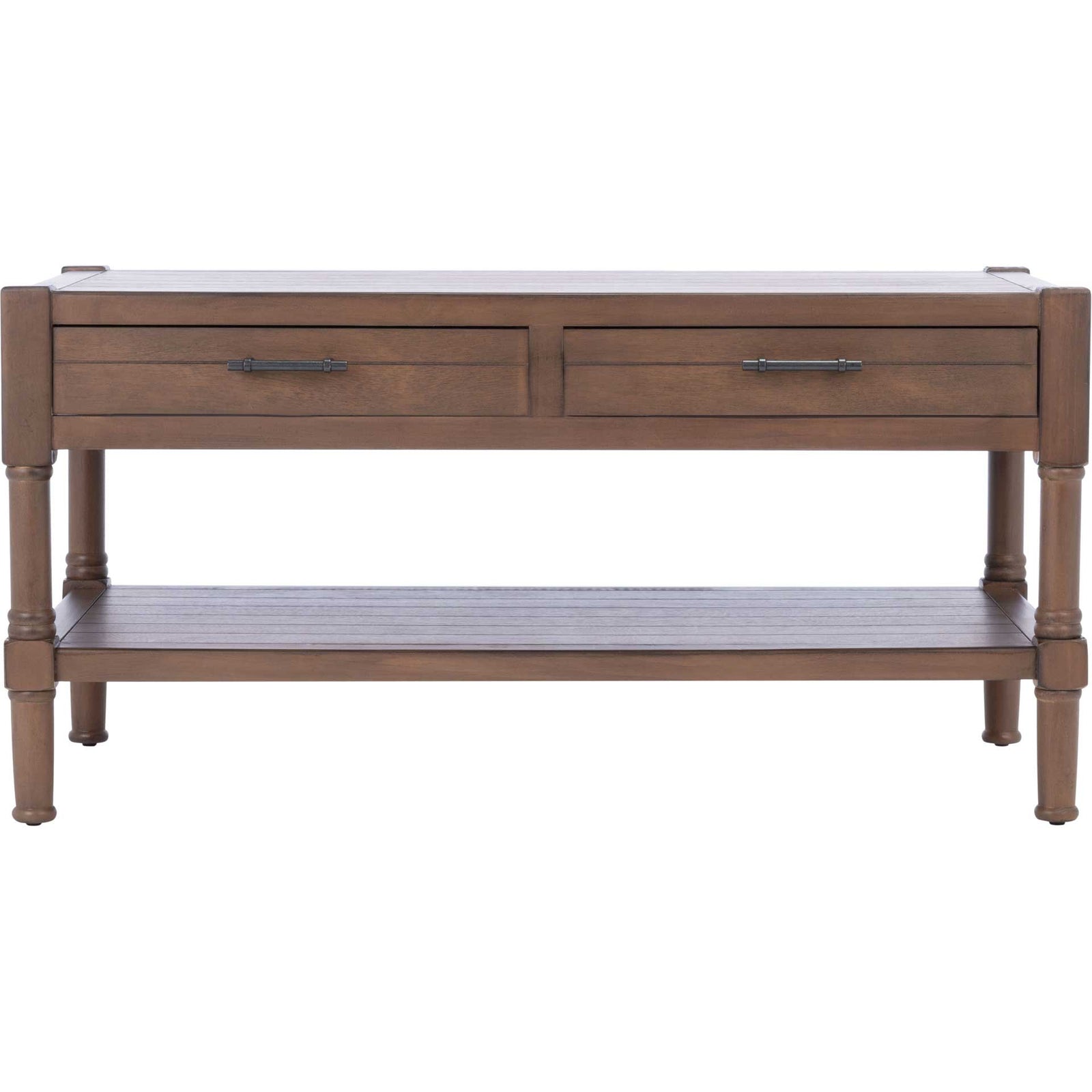
Green and brown are a natural pair you can choose, since both colors show up together in nature. Sage green gives off a muted and calming ambience, which makes it an easy match if you have a light wood furniture. A light brown coffee table pairs nicely with olive green, as it feels warm and earthy. Emerald green, in particular, works well as a jewel-toned option, which is perfect for making espresso-toned cabinetry really stand out.

Does Pink and Brown Match?
Pink and brown make a warm and playful combination, which often works best as an accent rather than a main furniture color. Too much pink in larger pieces can make your room feel physically draining or visually overwhelming.
If you have warm wooden flooring, you can try placing an accent chair in blush pink to bring a touch of color without overpowering the space.

Does Purple and Brown Match?
Like pink, purple and brown can work together as a palette, but purple is a high-intensity color that can make your space feel overwhelming when overused. Instead, try to add it through small accents such as a side table, vase, or pillow. If you really want to bring purple into larger pieces like a sofa, opt for a softer jewel-toned shade than a saturated purple. Choosing this creates a richer look without making your room feel dated.
Eggplant purple is an example, but in small doses. Think a statement cushion, and let it work its magic against the warmth of brown.





How to Pair Brown-Colored Materials
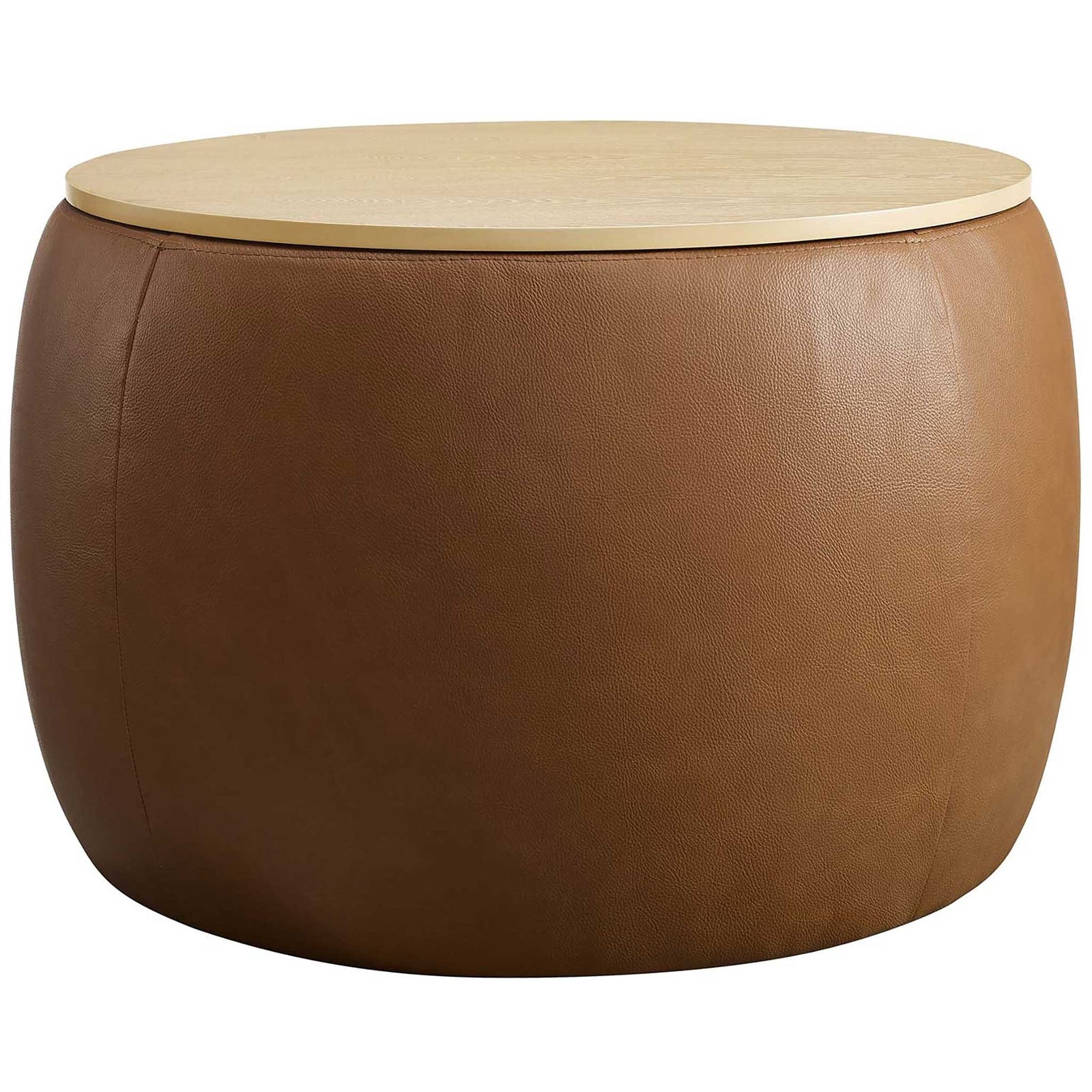
Brown isn't a fixed color. A cognac leather chair, oak floor, a brass pendant lamp, they're technically brown, but each material has its own undertone, sheen, and depth. From wood tones, leather, to fabrics, here's how you can match brown based on what it's actually made of.
Wood Tones (Oak, Walnut, Mahogany)
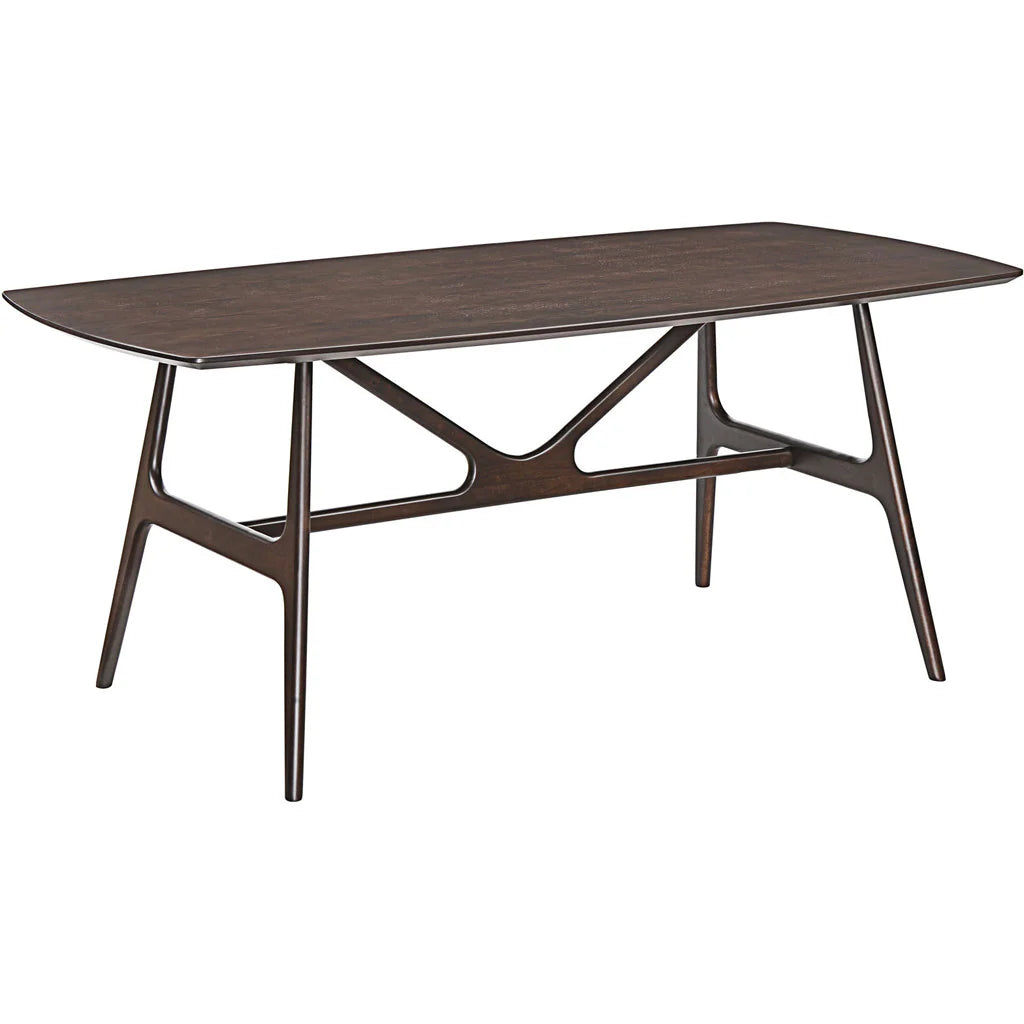
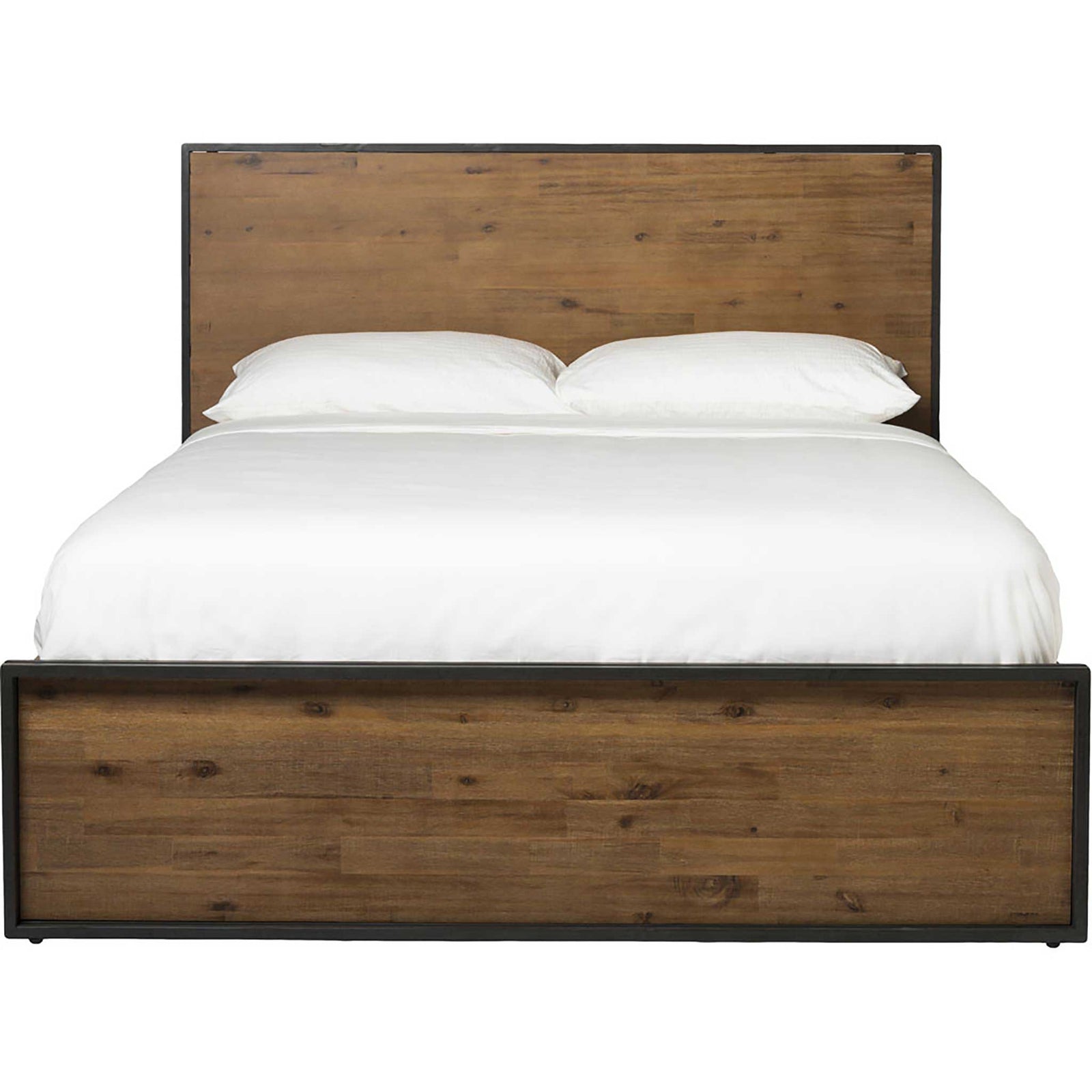
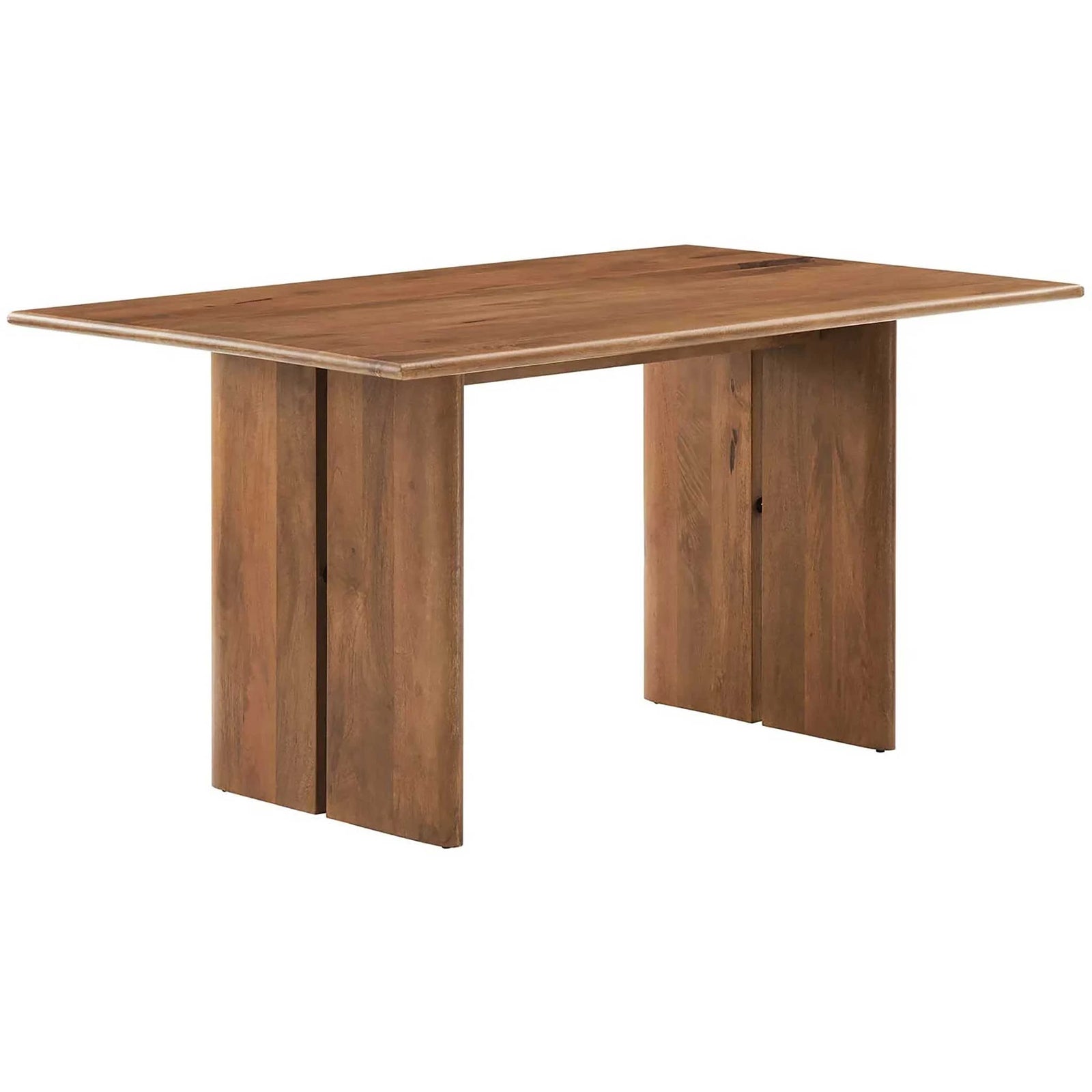
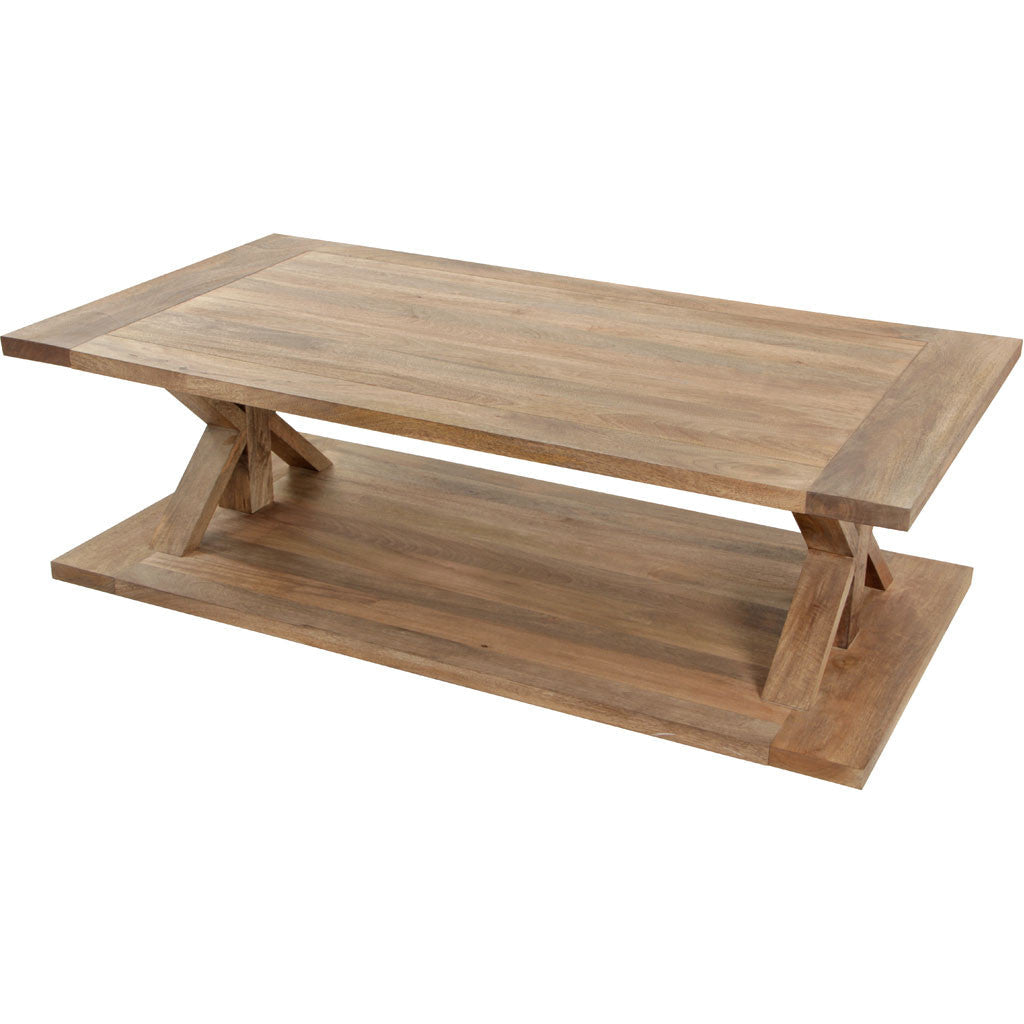
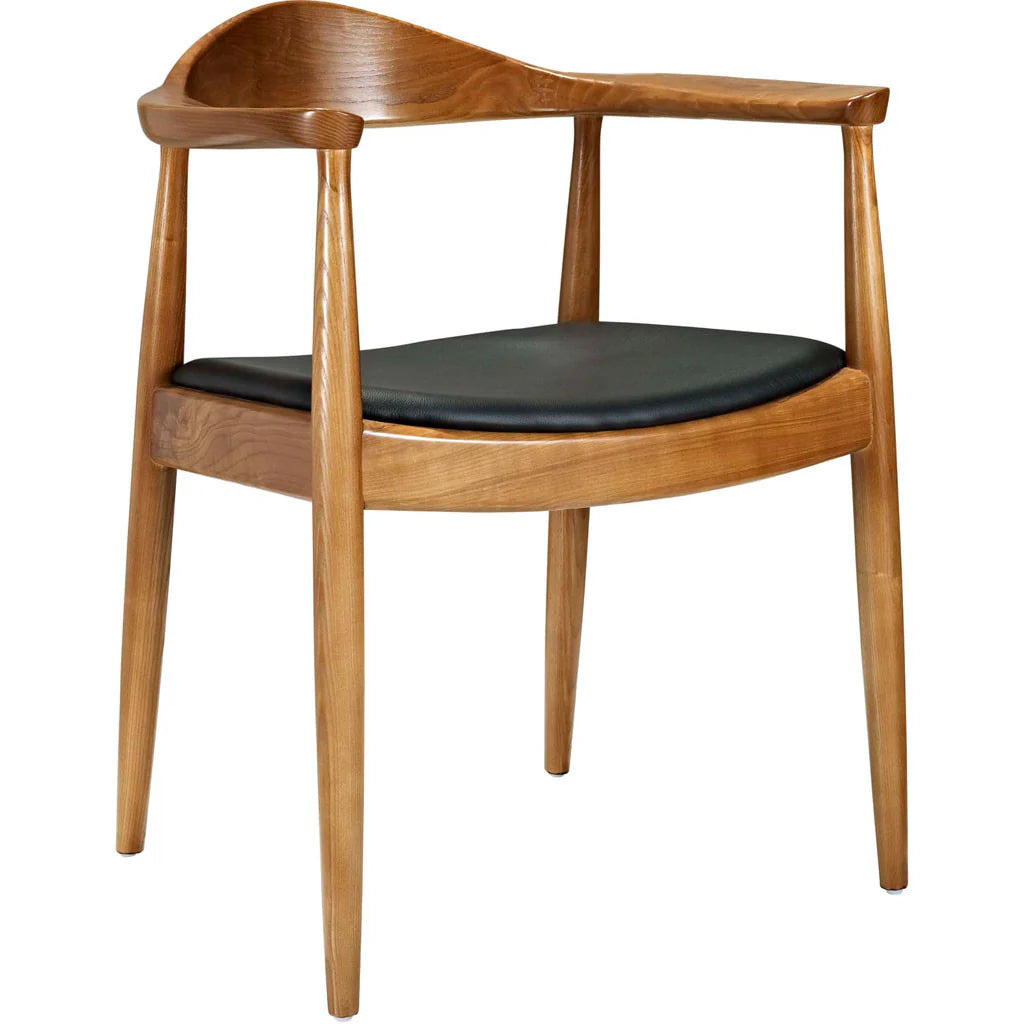
The easiest way to think about wood tones is this: they basically fall into three types (warm, mid, and cool). Once you know which wood tone you have, color pairing gets so much easier.
Warm wood tones like oak match with soft pastels like dusty blue, sage green, or a little terracotta to keep its cozy vibe going.
Mid wood tones like walnut have more depth and presence that it matches with jewel tones such as emerald green, or lean towards sage green for a more calming contrast. If you like an even more neutral approach, match it with taupe or greige to keep the walnut from feeling too much.
And for cool wood tones like ash, try to match it with colors such as off-white, charcoal, or muted blues, since they are dark enough to anchor the whole room.





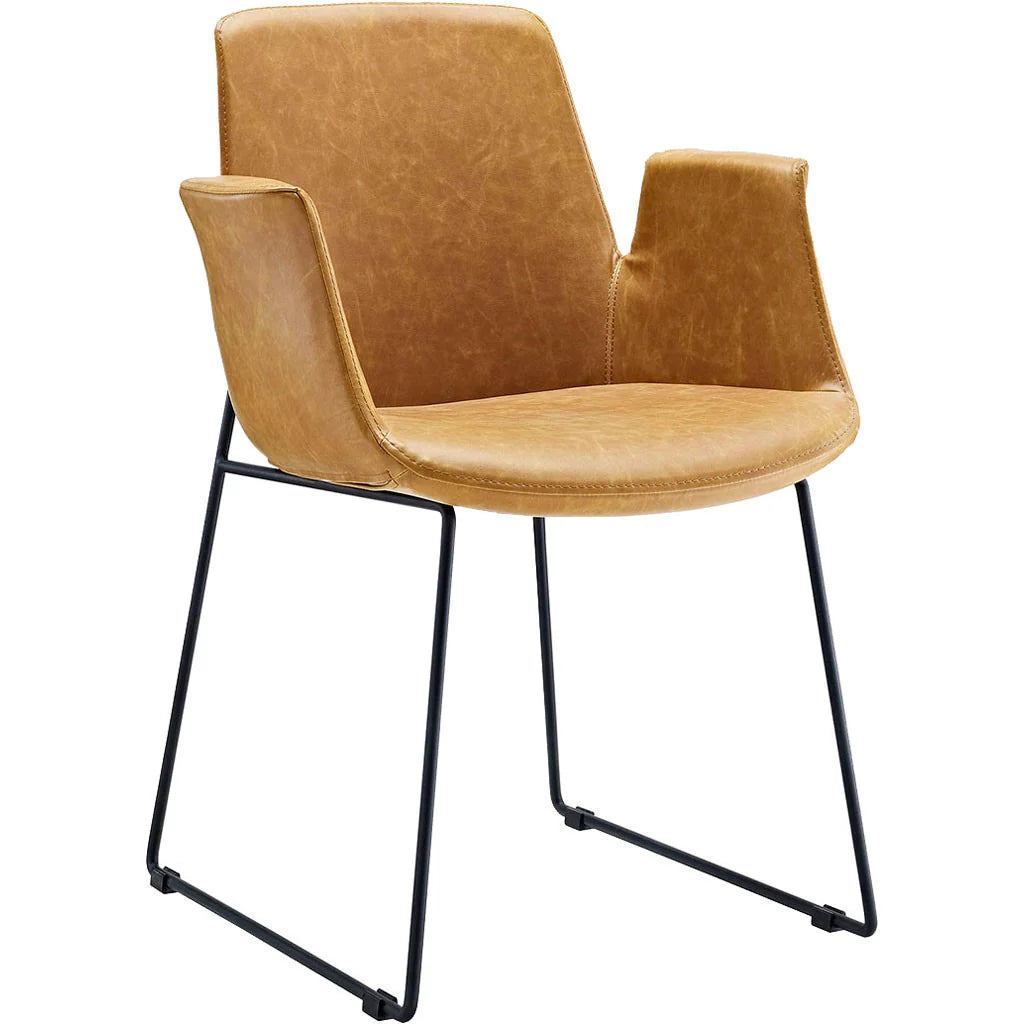
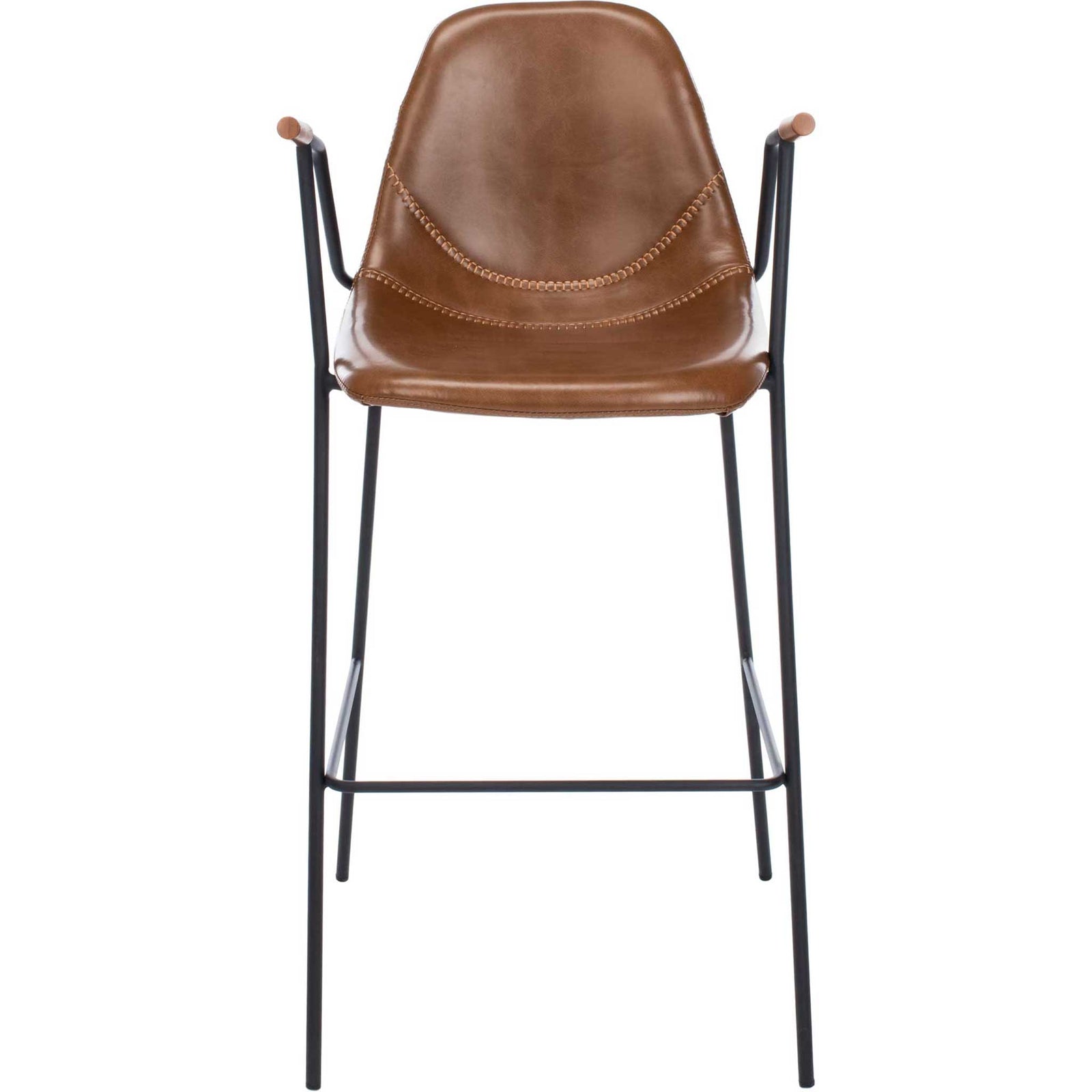
Leather (Cognac, Saddle, Espresso)
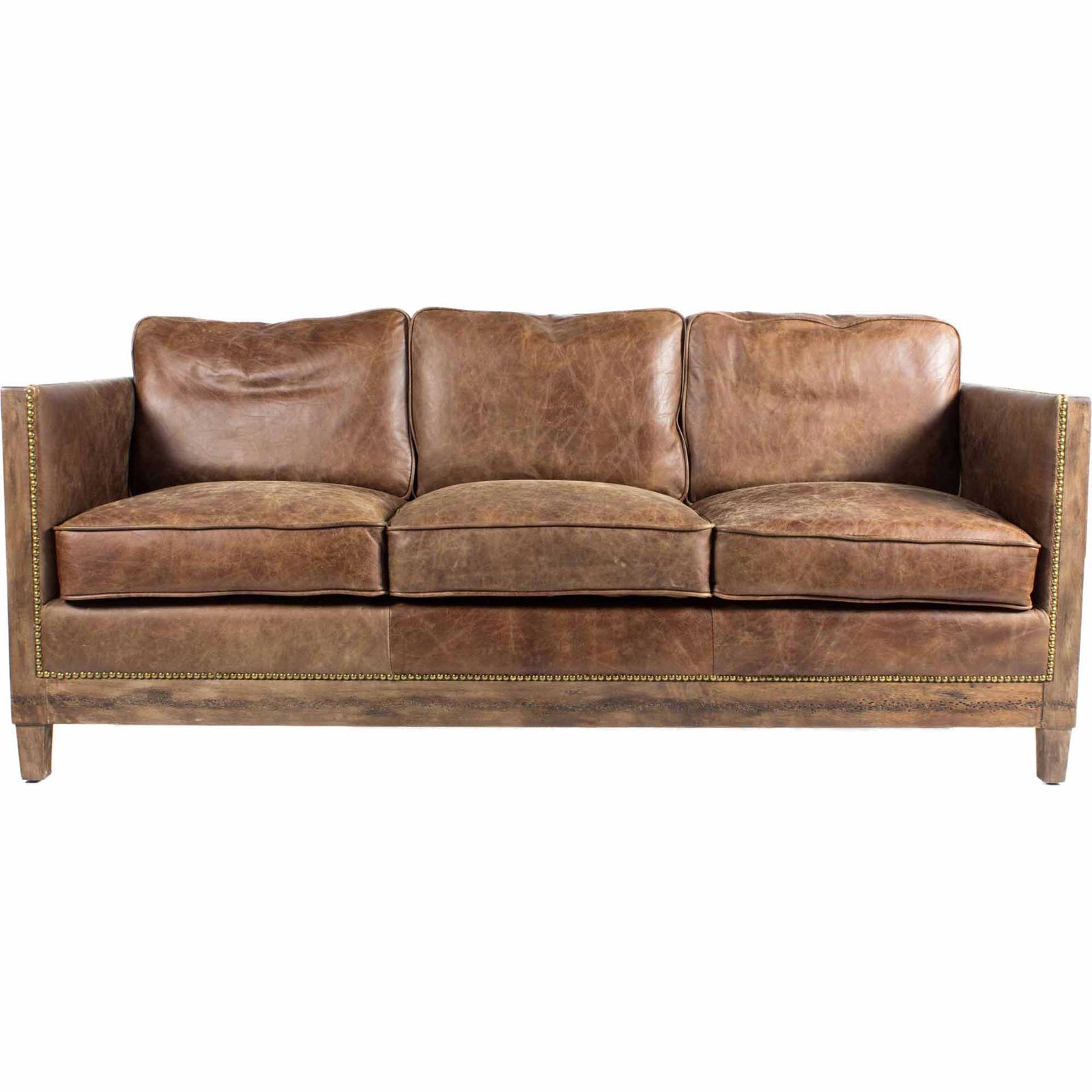
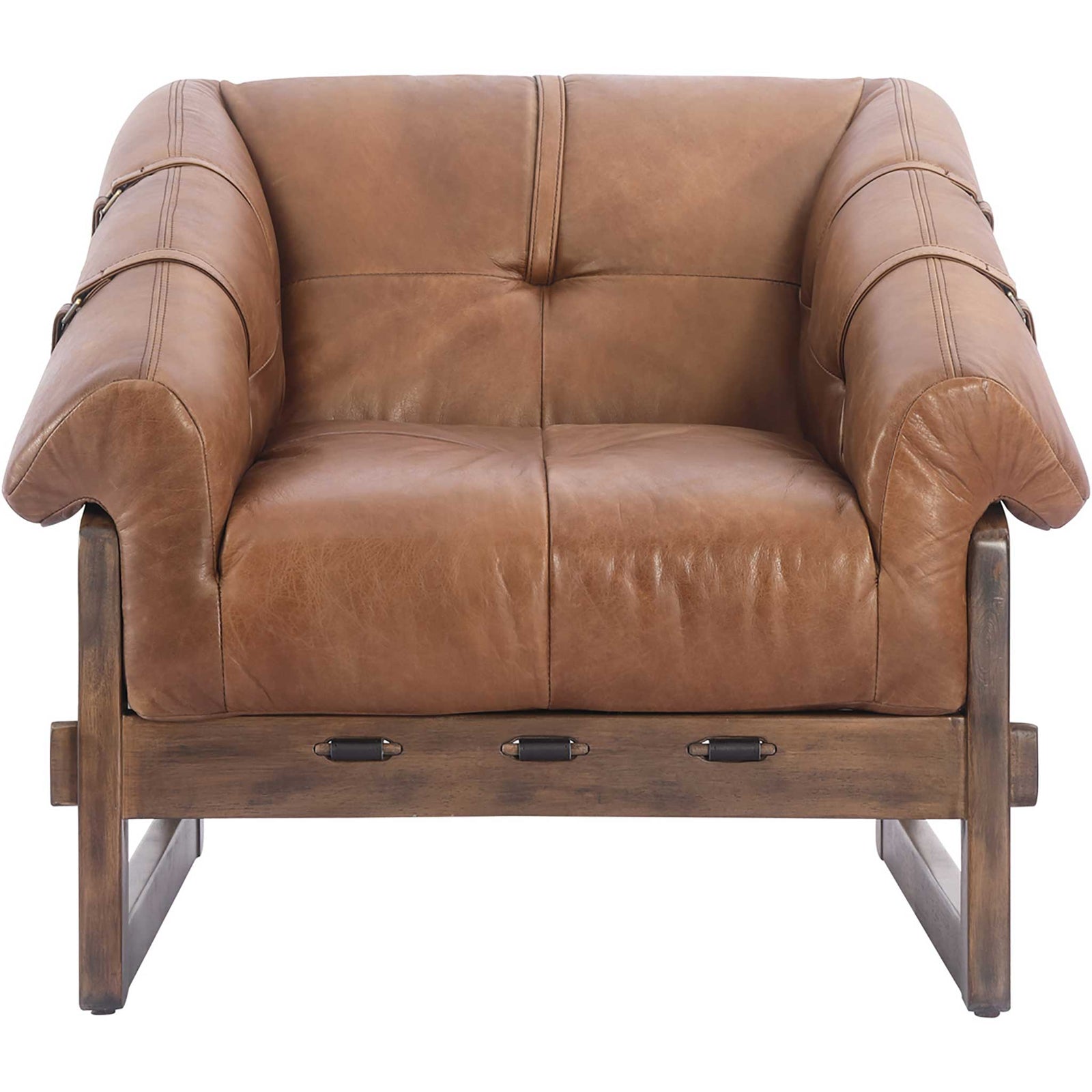
Leather works like wood. The lighter the brown is, the softer your accents should be. Warm-toned leathers like cognac and saddle brown match naturally with beige or cream. Then add a pop of accents like earthy greens to bring out the cozy warmth of leather.
On the other hand, cool-toned leathers like espresso are a different story. It is dark and nearly neutral, so it pairs better with brighter whites such as off-white and ivory, and if you want an accent, a muted olive green or gray-blue to keep your space from feeling cold.





Metallics (Gold, Brass)
Like wood, metals are split into two - warm (gold, brass) and cool (silver, chrome). Since we're all about brown right now, let's talk about warm. Gold and brass make wood and leather pieces more saturated. This is the match you need to do if you want to bring warmth and understated luxury into your space.

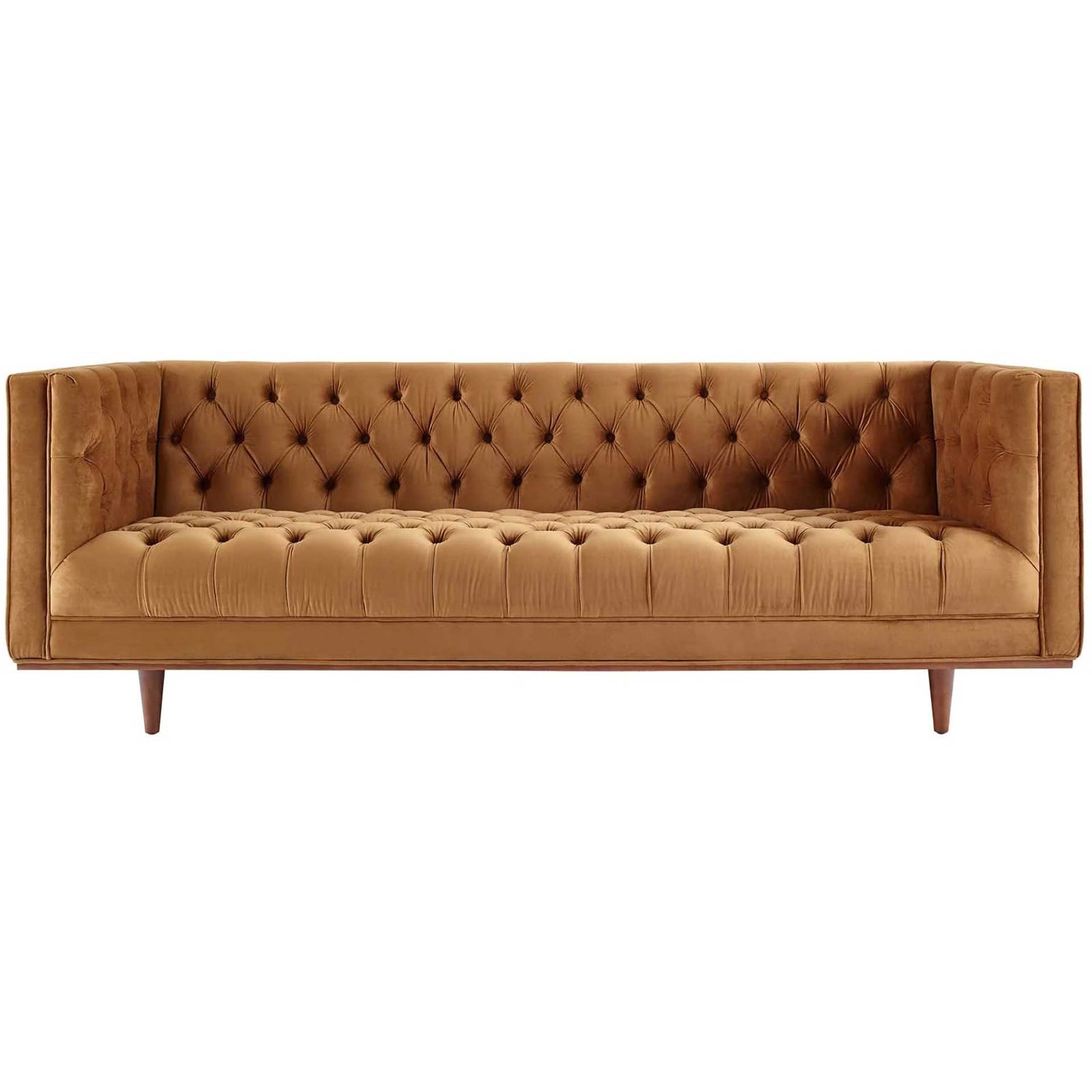
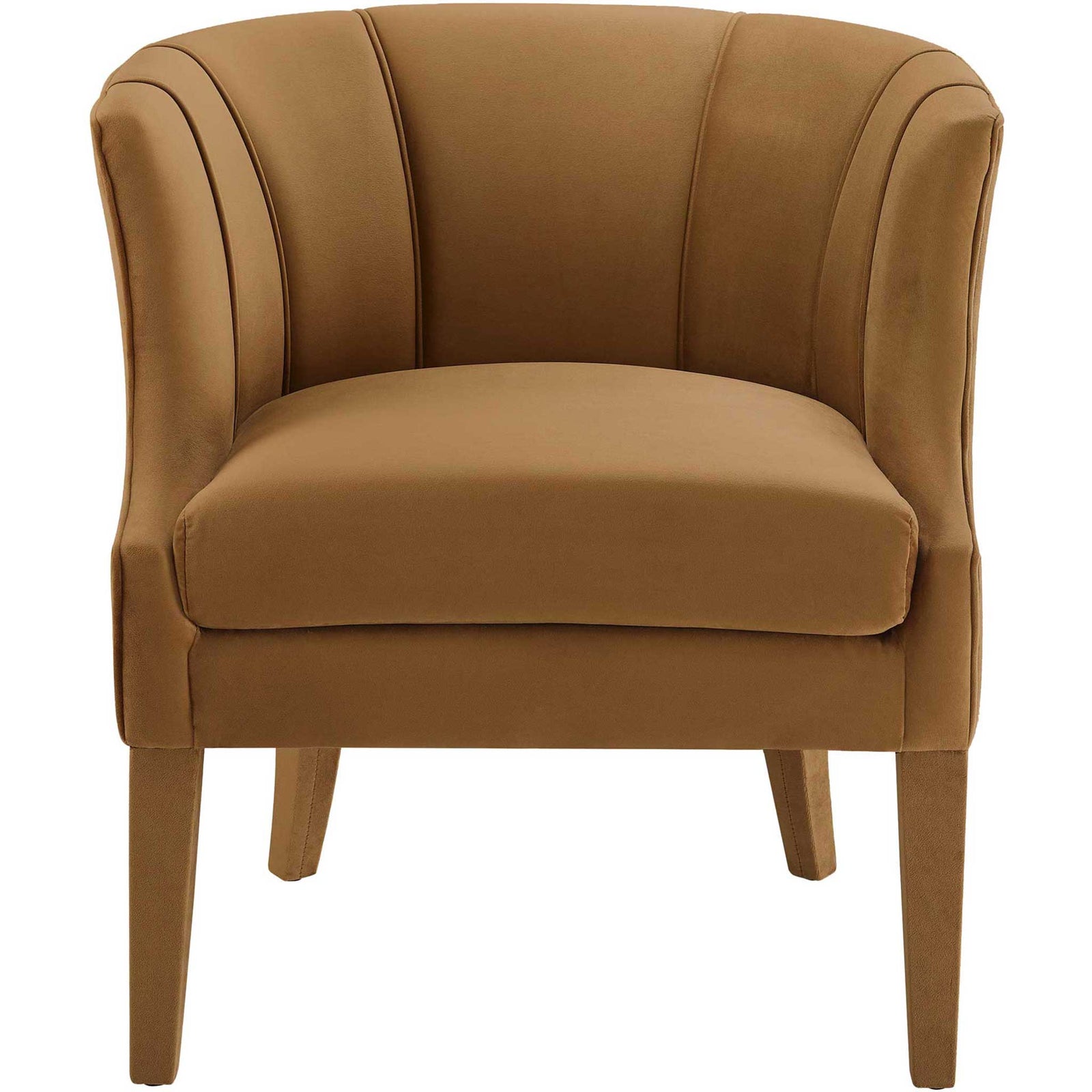
Fabrics and Textiles
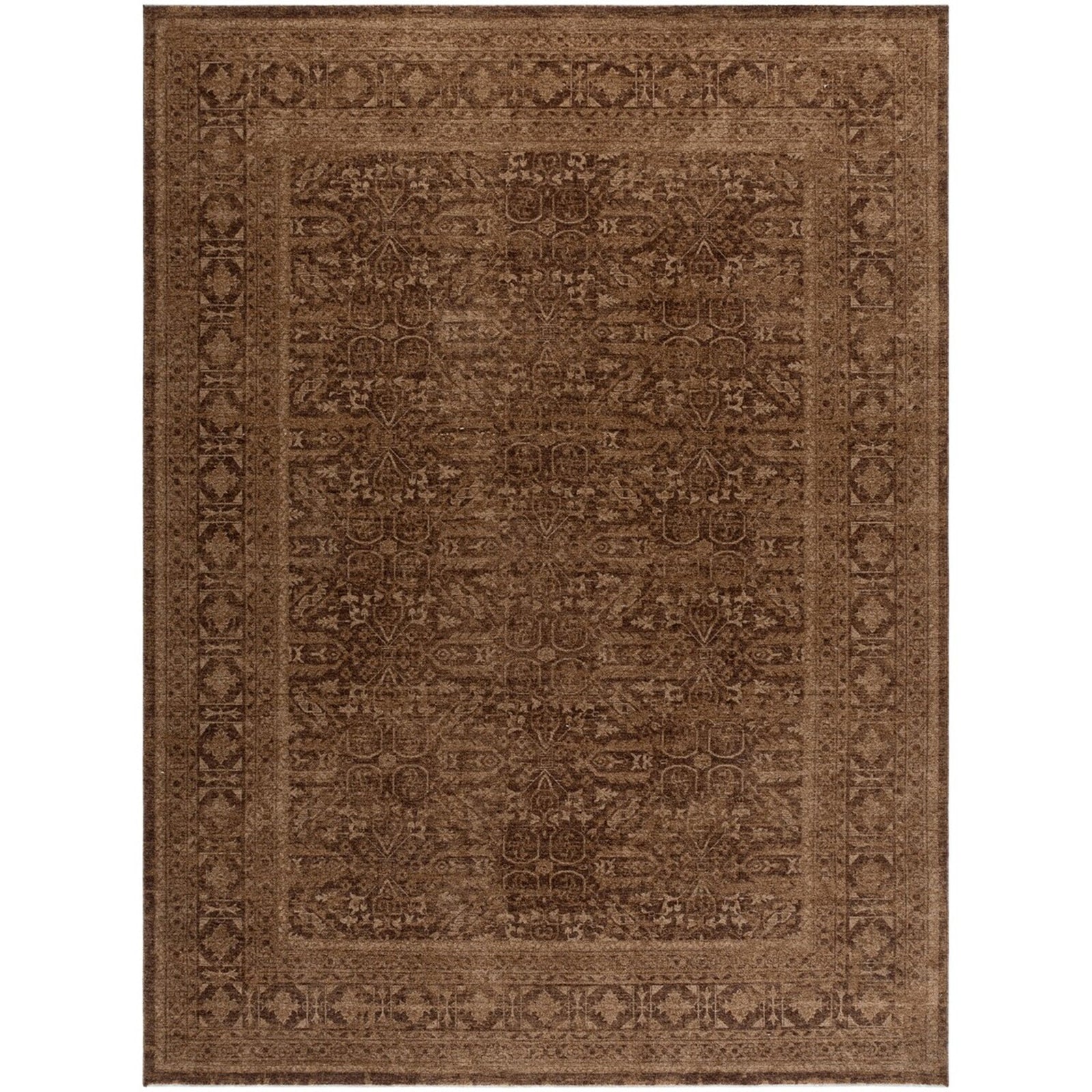
Landing on the right shade for your brown fabric or textile is a tricky part, because the wrong undertone can make the shade look dull or disconnected. Like what I've mentioned before, you have to match the undertone. Warm fabrics or textiles want warm companions such as terracotta, cream, or beige, while cooler ones want shades that are closer to gray.
So the next time you're shopping for a new sofa for your brown rug, check its undertone first to make sure it works well together.





Rattan and Natural Fiber
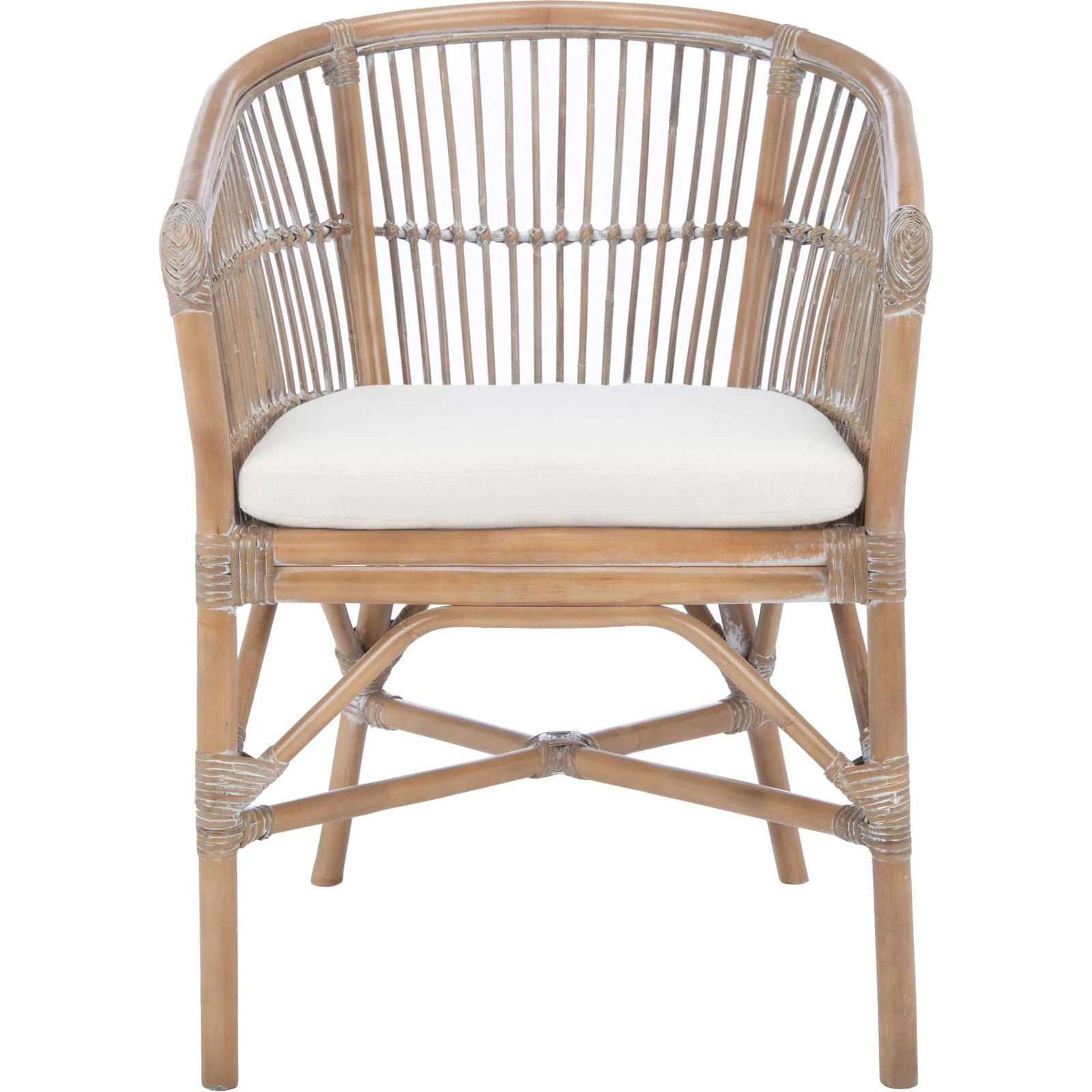
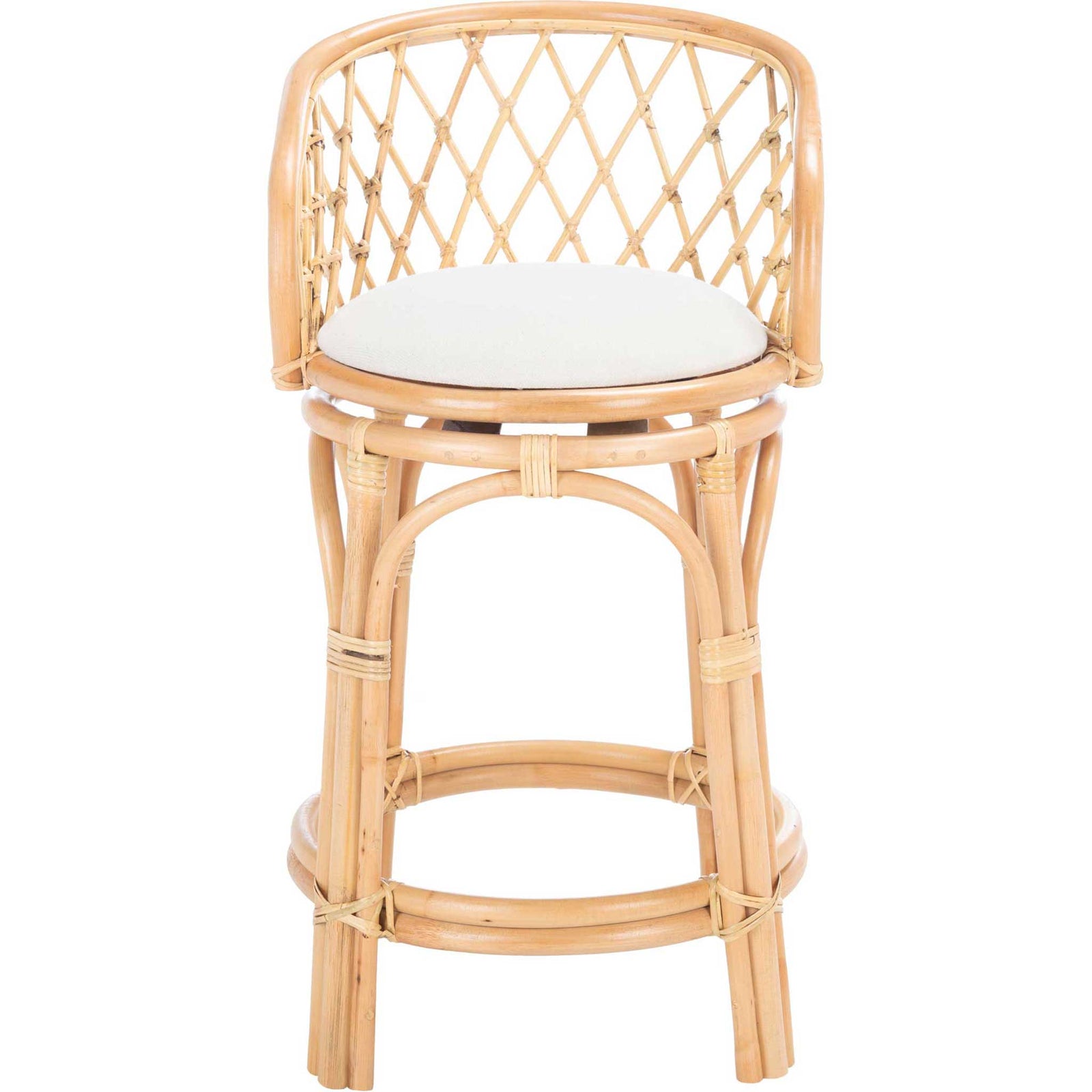
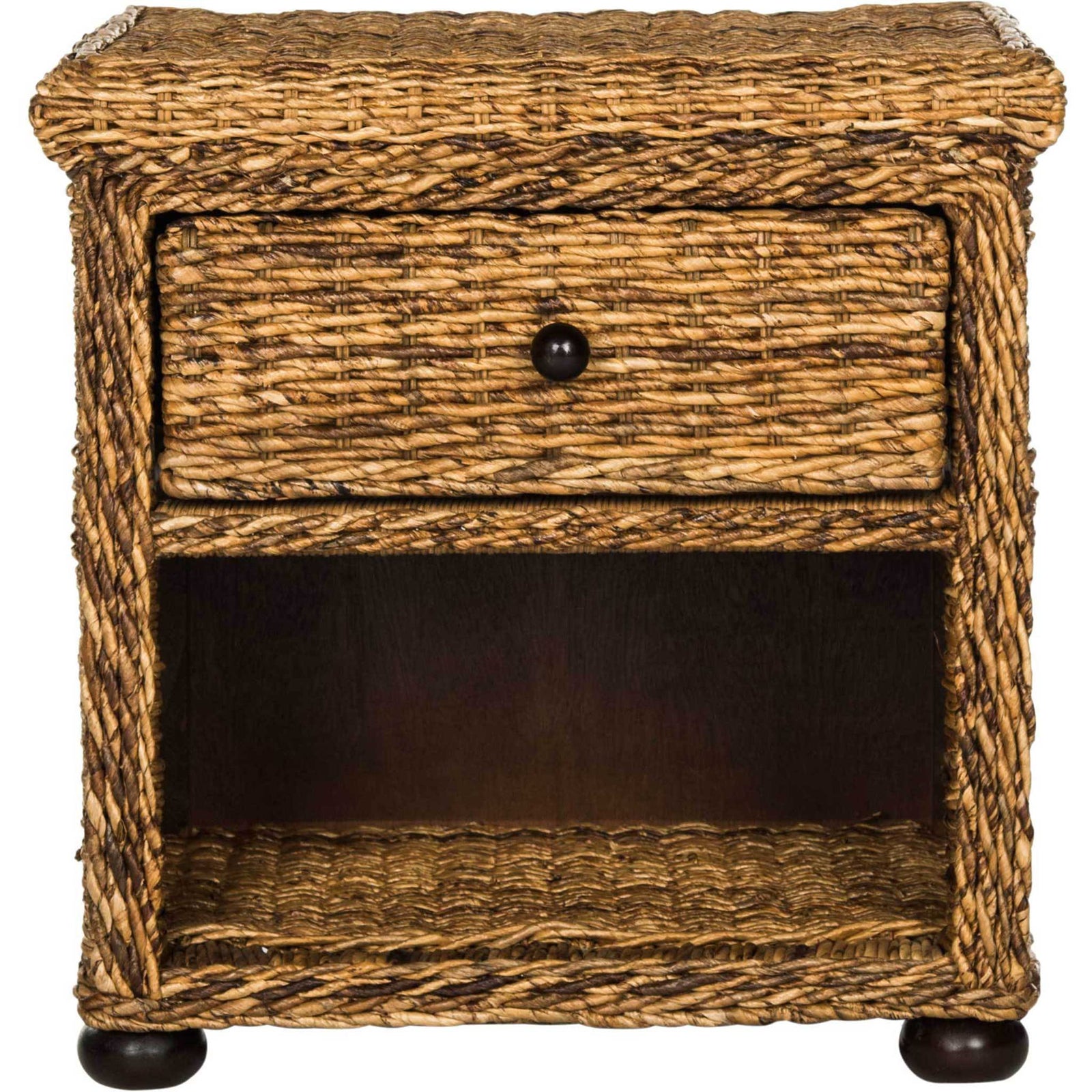
If you're planning to have an outdoor space, rattan and other natural fibers are your go-to combo. Natural fibers such as rattan and jute have a light honey-brown tone, which is why they match naturally with white, sage green, and terracotta. These colors make your space feel instantly inviting for lounging or relaxing.
It's a different equation when it comes to deep natural fibers such as dark seagrass or taupe woven leather. These colors look heavy to the eyes, but they can handle coastal palettes such as navy blue and teal.
Just keep in mind that neutral colors like white and cream are still preferred when you want to maintain that relaxed feeling outdoors.





Brown Color Palettes by Room Style and Mood
The "right" color to pair with brown depends on the mood or style you're after. Whether you're going for minimalist, traditional, coastal, or an eclectic room, think of brown as your foundation and let your style dictate how bold or subtle your accent colors are going to be.
Below are the brown palettes for each of those styles so you can find your path, or mix a few.
Modern and Minimalist Spaces
If you want a room that feels modern or minimalist, brown + white + black + gray is your combo. Paint your walls white, and basically your brown furniture turns into a sculpture. While adding black or gray to accessories such as your frame or lighting fixture, tie your room together.
The whole point of this palette is to make your eyes move around and land on things, not slide past them.

Cozy and Traditional Spaces
Cozy and traditional interiors are all about making you warm and comfortable. Think about earthy colors, natural wood, upholstered furniture that makes a room feel rich without being too heavy.
If you're going with these styles, lean into deep muted hues over bright colors. Try to pair your browns with cream, burgundy, and forest green. It's one of those palettes that you might actually find in an English country home. These colors share brown's warmth, which is why this combination gives off a timeless feel.

Coastal and Relaxed Spaces
Coastal-relaxed spaces typically use light wood tones, woven materials, and a palette that feels sun-bleached rather than saturated. Honestly, brown can feel heavy on its own, but matching it with a palette of sandy beige, soft blue, and white keeps it light and fresh. This is what makes this style work in beach houses, where you can naturally feel like you're on vacation.

Bold and Eclectic Spaces
For a more adventurous or maximalist style, eclectic spaces let you have a little more fun with colors and patterns. These spaces are built on bold colors, layered textures, and a "more is more" mindset that shouldn't really work but just does.
Brown usually works with wood furniture, with a mix of terracotta, emerald, and rust as an example. You can match these saturated, earthy tones since they don't shy away from brown's intensity. This palette lets you build a room with a personality instead of playing safe with neutrals.

Colors to Avoid Pairing With Brown
- Use of highly saturated purple: Intense purple shades of eggplant or grape can make the space heavy when paired with brown. To prevent this, you can choose a softer tone like dusty mauve or lilac.
- Too many dark colors: Brown already shows depth and warmth to a space, so matching it with too many dark shades can make your room feel smaller and overwhelming. Balance your browns with lighter neutrals like warm white, cream, or ivory (especially for walls).
- Neon and bright colors: These colors clash with brown's earthy character. Instead, try a slightly muted version of your chosen bright shade to make your space more balanced.
Frequently Asked Questions
What accent wall color goes with brown furniture?
The accent wall color that goes with brown furniture are sage green, navy blue, and ivory. Earth tones such as sage green softens dark wood or leather in furniture. For a bold contrast, a navy blue brings your light or medium brown furniture into sharp focus.
What color rug goes best with brown floors?
The rug color that goes best with brown floors is by adding a little contrast to its undertone. Light neutrals such as cream and beige can make the transition between your floor and furniture smooth. To make it feel more welcoming, try a patterned rug with the same shades or subtle contrast such as blush pink.
What color goes with brown in a small room?
Light and airy neutrals such as warm white and cream go well with brown in a small room. These colors reflect light and balance the visual weight of the room, which prevents your space from feeling cramped.
What colors make brown look rich?
Saturated shades like emerald green or navy blue can make brown look rich or elegant. These colors add a high-end feel next to brown wood or leather. Warm metals like gold or brass can also add a subtle hint of luxury, especially when used in hardware or accessories.
Leave a comment
Comments will be approved before showing up.


Polypropylene Rugs Guide: Pros, Cons & Best Use Cases
Polypropylene rugs are budget-friendly, stain-resistant, and easy to maintain — but there's more to consider before buying one. Discover their pros, cons, care tips, and the best rooms to use them in when you shop.


Boho Interior Design Guide: Colors, Furniture & Decor Tips
Learn how to style your home in boho interior design, from warm color palettes and textiles to furniture, lighting, plants, and wall decor. Explore popular bohemian styles and get room-by-room decorating tips for a cozy, personalized space.


What Colors Go With Brown: Top Palettes By Material & Style
Wondering what colors go well with brown? We cover major colors that complement brown, from creamy off-whites to sage green. Our post also touch on best color pairings for brown-colored materials like wood, leather, fabric.


TV Stand Size Guide: Find the Ideal Width, Depth, and Height
Not sure what size your TV stand should be? Read our TV stand size guide to learn practical tips on what width, depth, or height the stand should be based on your TV size, viewing distance, and accessories.


Coffee Table Height & Size Selection Guide
Discover the ideal coffee table height, width, and depth for your living room or lounge area. Learn about the standard coffee table dimensions, measuring rules relative to couches and other nearby furniture, and proper fit based on spacing and room layout.


Mid-century Modern Interior Design 101: Decor Ideas & Design Tips
Discover the essentials of mid-century modern interior design. We cover its defining features, iconic furniture pieces, suitable art and decor, color palettes, and much more. Get simple decorating tips and architectural guidelines to get the perfect MCM look.


Dining Table Height, Bar Height, and Counter Height Guide
Identify the ideal height ranges for dining tables, bar tables, and counter tables, along with the proper seat heights for the chairs and stools to pair with them. Learn to choose a slightly lower or taller table based on use cases, family members, armrests, and more.


Farmhouse Interior Design Guide: Decor Ideas & Design Tips
Learn how to create a rustic and welcoming space with the timeless charm of farmhouse interior design. Learn the key characteristics, popular farmhouse style variations, furniture selection, proper color palette, and other farmhouse decorating tips.