


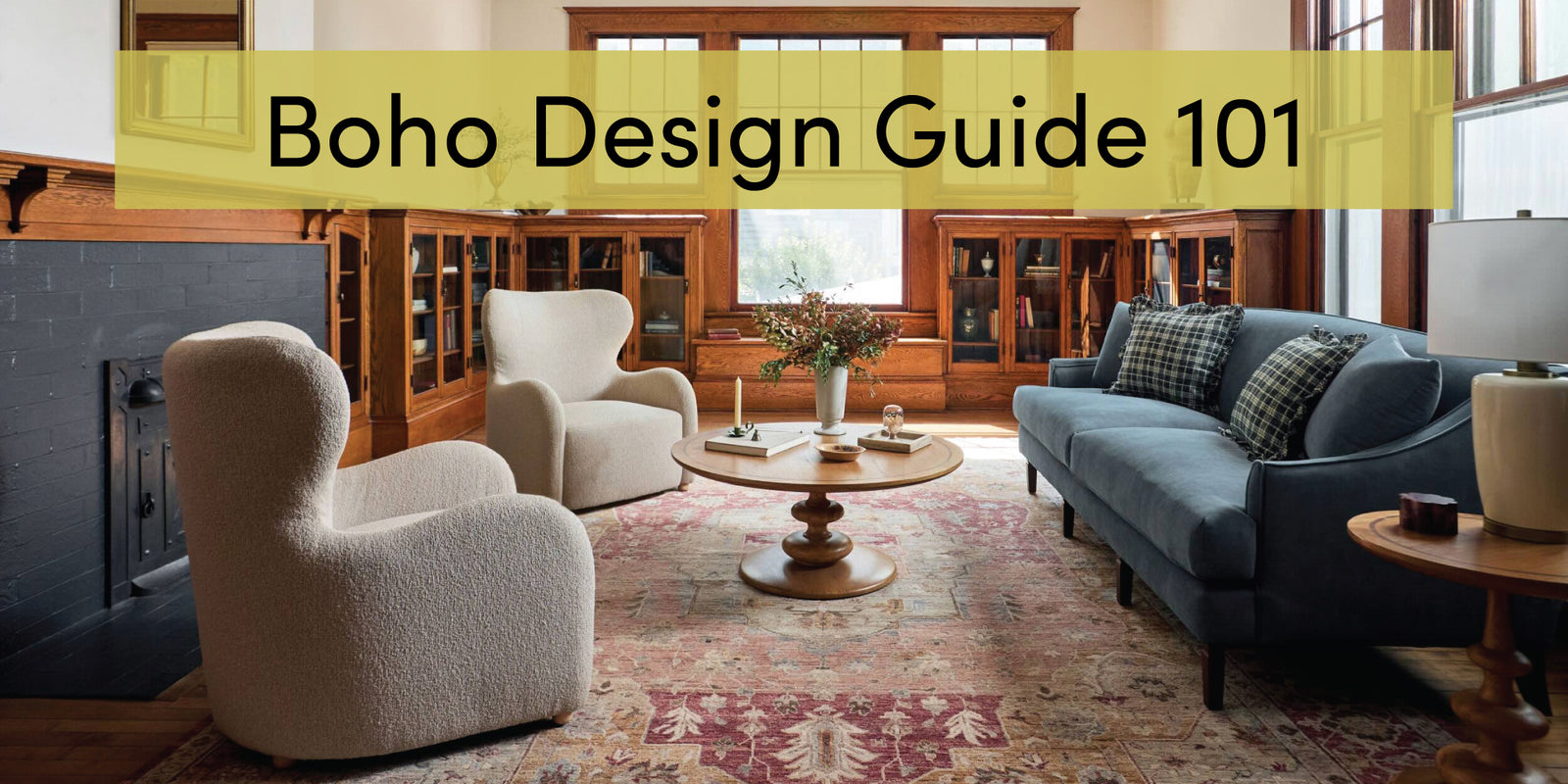




Boho Interior Design Guide: Colors, Furniture & Decor Tips
What Is Boho Interior Design?
Bohemian interior design, or boho design for short, is a free-spirited or unconventional style that is built around warm, earthy colors and natural materials like jute, rattan, and wood, then layers in vintage pieces, textiles, and plants that makes your space feel warm and full of character. You can bring this style to almost any room, whether it's a living room, bedroom, or even your entryway, and combine it with other design trends like mid-century, modern, or boho chic.
The term Bohemian comes from the word "Bohème" to describe writers and artists living outside the mainstream in 19th-century Paris. Their homes matched how they lived, using flowy fabrics, woven materials, and objects gathered over time. This resurfaced a century later in the 1960s and 1970s when global travel and the hippie movement brought Moroccan rugs, macramé, and folk textiles into American homes.
It's been coming back ever since, with a little tweak each time. It's not designed in chaos, though. Boho interior design is all about mixing its features with other styles. And when you mix it right, the room is full of things you actually love, not like you just threw a bunch of random items thrown together.
What Are The Key Elements of Boho Interior Design Style?
The key elements of boho (bohemian) interior design style include a warm color palette, natural materials, low-profile furniture, plants, and personalized collections. The real secret is to find the balance between variety and cohesion.
Read below how you can find the right color palette, textures, furniture, and lighting that feel collected, and plants and decor to add soul and personality to your space.

Color Palettes
The most-loved boho color palette starts with a warm neutral base like cream, sand, and warm white, along with earthy accents like terracotta, sage, and mustard through pillows, rugs, and accessories. This is where Bohemian interior design style gets its personality. If you're craving a little drama, you can add one or two jewel tones like emerald or ruby red. But if simple and minimal is your motto. You can skip those vibrant colors and stick with the neutrals and earthy accents.
-
Neutrals as base (cream, sand, warm white): Think of these colors as your blank canvas. They give the rest of your room's texture, colors, and patterns space to breathe.
Where to use: Walls, ceilings, curtains, your bedding. Start here, then layer in your accessories.
-
Earthy accents (terracotta, mustard, sage green): These colors make your room feel like you actually live there, not like a showroom. Terracotta feels laid-back when placed next to rattan or jute, mustard adds a sunny touch to the pillows on the sofa or accent chairs, while sage green keeps the space from feeling too warm by cooling it down.
Where to use: Throw pillows, woven baskets, vases, pottery, table runners, floor cushions, or any other accessories.
-
Jewel-toned accents (emerald green, ruby red, deep purple): These are saturated colors that scream "look at me" when you walk into a room. Basically, you only need one or two to add a bit of richness.
Where to use: An accent chair, traditional or vintage rug, tapestries, or framed art. Or sometimes even a painted door or lamp base.
Furniture
Bohemian furniture in particular are difficult to identify since dedicated designs are rare and instead draw from pieces in other interior design styles. There are two approachs you can take with boho furniture. First is the traditional approach, which would use more secondhand or vintage-look furniture The second is the contemporary approach, which would use more mid-century modern or contemporary Americana pieces. The second approach will require the rugs, decor, and surrounding accent pieces to do more heavy lifting to give that global-inspired, artisanal boho feel.
- Sofas/sectionals: If you want that cozy feel, go for a sofa that looks stuffed and not overly minimalist. Couches in boho settings typically feature cotton, wool, or boucle upholstery. For example, a low rolled-arm or swoop arm sofa works well as the main seating piece in your living room, while a contemporary chic sectional sofa with ottomans is perfect for bigger families or guests.
- Bed: Beds in boho bedrooms are often very low-profile. Beds without headboards are very common, with a tapestry or wall hanging hung over the head of the bed. If you choose a bed with a headboard, pick a simple classic like spindle or a carved wood. In more modern boho bedrooms, wood headboards with rattan or cane webbing are also becoming popular. If space allows, you can also choose a canopy bed with sheer curtains for a very cozy, Parisian look that truly reflect classic Bohemian feel.
- Tables: Classic tables used in boho spaces often feature traditional design features like cabriole or sculpted turned legs. A reclaimed wood dining table or rattan coffee table are both really popular choices. If you want a more classic boho look, choose a table featuring a solid wood top with live edges, slightly weathered finish, or even just one that shows natural wood grain patterns. A more contemporary approach is choosing a table with a more chic design, such as a marble slab top with very simple black metal legs.
- Chairs: dining chairs are best when featuring natural materials like rattan or wicker. You can still choose chairs with upholstered seats - just that some part of the frame should be exposed wood or rattan. For outdoor or sunroom spaces, a Peacock chair is a classic choice for that coastal boho vibe. But if you love reading, you can place a rattan lounge chair with a boucle cushion near a fireplace or bed.
- Storage Cabinets: Don't overlook your cabinets when decorating a boho-inspired space. Choose wardrobes, sideboards, and cabinets with rattan or cane panels. But if you prefer a little more character, cabinets made from reclaimed wood with carved panels in cultural motifs can add a vintage feel to your dining area or entryway. For an extra touch of color in kitchen cabinets, choose sage green or sapphire blue, and pair them with brass handles and a vintage rug.


Rugs and Textiles
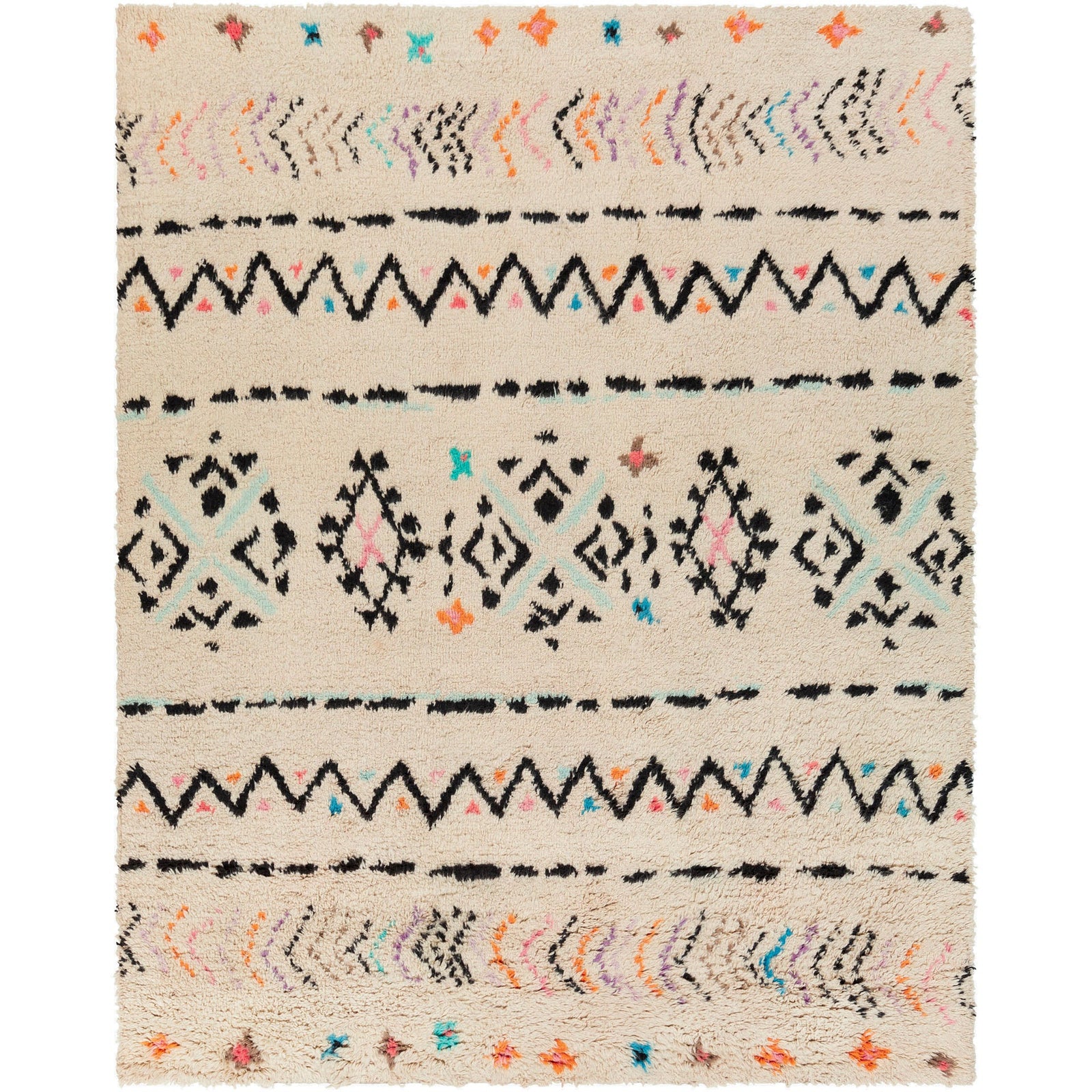
Boho spaces really prioritize warm, handcrafted, textured aesthetics. Balance your space with soft materials like cotton or wool for small accessories such as throw pillows or floor cushions (especially in living rooms or reading nooks). Try to introduce rich heritage patterns via rugs, throw pillows, throw blankets, poufs, or other decorative textiles. Oriental rugs, Moroccan poufs, ikat throws, folk embroidered pillows, or even souvenirs from your latest travels all play a part. A clever trick with rugs is to layer a patterned Berber or Persian rug on top of a larger simple jute rug. As long as your patterns and textiles share a similar color palette, then you don't have to worry about the room feeling feeling too busy or chaotic.




Lighting
Think of lighting as your finishing touch when decorating your room. Once you've chosen the right temperature (warm white) and material, you're ready to move on to your accessories.
- Ceiling Lamps: Boho ceiling lamps tend to feature shades that are rustic and natural. Rattan, jute, bamboo, or wicker are basically an instant mood-setter in a dining room or entryway. A particularly popular option these days are beaded chandeliers. Over a dining table, hang your pendant lamp about 30 to 36 inches to avoid it from hitting anyone.
- Floor Lamps: Try to find a floor lamp with artisanal, handcrafted detailing. For example, any floor lamp with sculpted wood body would be perfect in a boho setting. Lampshades with natural materials also work, such as crinkled paper or rattan shade floor lamps. If these sort of floor lamps are too hard to find, you can opt for a more contemporary chic option, such as a wood tripod floor lamp or arc lamp with a marble base - just try to avoid an overly modern design.
- Table Lamps: An eclectic table lamp is a easy way to amplify the boho-allure of your space. A table lamp with hanging fringe tassels or painted ceramic body in an Oriental style are both examples of table lamps that satisfy the creative boho look. Place these table lamps on a nightstand or entryway to make an immediate artistic statement.
- Wall Sconce: Try a Moroccan-style cutout sconce for a dramatic effect. These look so much better in hallways or bedrooms since they cast soft and patterned shadows. Otherwise, a wall sconce featuring rattan lamp shade also offer a similar soft diffused look that is both rustic and eclectic.
- Fairy Lights: Fairy lights are a perfect choice for a boho bedroom. You can drape them along your headboard or walls. Or create a relaxed boho reading nook by weaving them through a shelf.
Plants and Sustainable Decor
Plants are non-negotiable in boho interior design. These indoor plants in clay pots or macramé holders add life to your room. Here are some of the plants that I actually recommend when you're starting on your boho style journey.
- Pothos: This plant is your go-to for hanging baskets and shelves while keeping them low-maintenance
- Monstera: Want that jungle-y statement as a piece? Display one in your living room and pair it with a rattan or wicker coffee table.
- Snake Plant: Perfect for the bedroom since it purifies the air while you sleep.
Look for sustainable decor too, like locally-made laundry baskets or carved wood bowls. These are the kinds of pieces you'll want to keep around for years.
Wall Art & Decorative Accents
Boho art and decor is arguably the most important part of designing a bohemian interior given the design's history. Be it a botanical print, abstract painting, or a vintage mirror, as long as they share a similar color thread.
Tapestries or rattan plates also add a focal point to a large blank wall. While on tabletops and shelves, ceramics, candles, and hand-decorated figurines can fit right into the room that always has a little more diversity and cultural mix-up.
Decorate your wall with a woven wall hanging in a tribal-inspired pattern or a Macramé weave. Liberally scatter candles, Buddha or other mini tabletop objects, as well as knick-knacks found throughout your travels.
6 Popular Bohemian Interior Design Styles
There are a lot more bohemian interior design styles than you can think of. Some versions are polished or colorful, while others are closer to modern minimalism.
Below, we're breaking down 6 popular bohemian interior design styles—boho chic, mid-century boho, modern boho, coastal boho, rustic boho, and Scandinavian boho—so that it makes it easier for you to pick the version that actually fits your personality and home.
Boho Chic Interior Design
So what is boho chic interior design? Think of it this way. Traditional boho goes big on color with browns and greens, with accents of purple and orange, while boho chic keeps things white and neutral. This style lets the texture do the talking instead.
Furnishings lean more toward terracotta and beige, or neutral white with wool and jute for depth. Both of these styles love wood and rattan, but boho chic prefers organic shapes of live-edged coffee tables, exposed flooring, and shaggy rugs.

Mid-Century Boho Interior Design
Mid-century boho, or sometimes called "California Cool," blends mid-century lines and bohemian texture with a slight touch of Scandinavian calmness. Its color palette runs on warm neutrals such as cognac and sand, paired with blush pinks, olive, and cream.
Tapered legs and vintage silhouettes of a walnut or teak chair act as a clean backdrop for rugs and plants.
You can show vibrant patterns from Persian or Moroccan-inspired rugs, handmade pottery, or a piece of thrifted art to display enough vintage and character to your space.

Modern Boho Interior Design
Modern boho keeps the overall personality of boho, but minus the clutter. This variety uses contemporary furniture, but the plants and natural materials do the heavy lifting.
Instead of overwhelming your room with pattern, you choose a few expressive accents - like a tapestry or linen ceramic table lamp - and let them shine.

Coastal Boho Interior Design
Coastal boho brings everything we love about boho. Beach wood tones, rattan, linen, and all that natural texture we're obsessed with. This style sets a light, airy tone with its whitewashed flooring and natural furniture that keeps your whole space breezy and laid-back.

Rustic Boho Interior Design
If you love weathered wood and worn-in leather in your furniture, then rustic boho is for you. So this style is a warmer, more organic bohemian style designed around earthy colors, woven textiles, and vintage decor.
It feels more like a "cozy cabin in the woods" tucked away in the mountains, than a trip around the world, which you usually see in a classic boho style.

Scandinavian Boho Interior Design
Scandinavian boho, also called Scandi boho, is what happens when minimalist Nordic design meets the love of warmth of boho. It keeps your room with simple furniture and a neutral palette, along with plants, textured materials, and carefully chosen handcrafted accents.
Remember that there is little to no full-on pattern mixing here. Think of it as boho's calmer, editorial cousin. If classic boho puts everything in the room, Scandi boho lets one or two pieces do the talking.

Boho Interior Design Ideas: How To Decorate for Every Room
So how do you decorate your room in boho style? Start with the same core principles—warm colors and materials, layered patterns, realistic plants, and personalized decor. A living room may need more items to be placed, while a bathroom needs a lighter touch.
Whether it is your living room, bedroom, kitchen and dining area, entryway and hallways, or bathroom, let's bring boho into every corner of your home.
Boho Living Room
To decorate a boho living room, you start with comfortable seating, either a slouchy sofa or floor cushions for extra lounging space. Then try to layer one or two rugs in different patterns, and add earthy-colored linen throws or woven pillows on the sofa.
And don't forget the plants! Place potted or hanging plants to fill the corners of your living room, or display shelves. To keep your space cozy, place a rattan or jute pendant light to complement your wooden furniture.
Last but not least, add a few of your own personalized collections or artwork, usually at the seating area so the eye has somewhere to land.

Boho Bedroom
For a restful boho bedroom, a textured or reclaimed wooden bed frame with linen or quilted bedding is your go-to combo. Add terracotta or sage throw pillows with your comforter, and layer in a woven or textured rug to soften things up. Don't forget to switch to warm white LED bulbs in table lamps that make winding down at the end of your day even better.
Complete the boho look with Pothos or Snake plants on a table, and a macramé wall decor above your headboard.

Boho Kitchen and Dining Room
Boho kitchen design is all about making your everyday cooking pieces become part of the style. Use open wood shelves to display your artisan-made porcelains, aged candleholders, and small potted herbs and plants. Plus, natural stone or wood countertops help keep everything as one.
In the dining area, avoid buying matching sets. Instead, try to look for mixed wooden furniture. Then pair your woven dining chairs with a jute or rattan pendant light overhead to carry that relaxed feeling into your everyday meals.
For a bolder touch, you can place jewel-toned accents like deep purple area rug under your dining table or kitchen floor to change the whole vibe of the room.

Boho Entryway and Small Spaces
For a boho entryway, add a few woven baskets underneath your console for shoes or little boxes for mail and keys. Hang a round or oval mirror above and layer it with a trailing plant for character.
You can also place a small emerald or ruby accent like a painted vase or tray on the table which can make your guest stop and ask "Where did you get that?" the moment they walk in.

Boho Bathroom
Yes, even a small, practical bathroom can let you experience that boho moment. Above your lavatory, place a wooden-framed mirror and, of course, a humidity-loving plant (like Pothos or Boston fern) on your shelves.
You can tuck your towels in a wooden ladder and toiletries into rattan baskets. Stick to earthy colors and warm lighting for accent (like a dimmable sconce or recessed downlight).
Then bring in your newly bought handmade soap from your recent travels or local artisans to add a little story to your space.

Bohemian Interior Design Mistakes (And How To Fix Them)
-
Buying a Pre-Packaged "Boho in a Box"
Buy a bundled set of Bohemian furniture and decor furnishing, and your room ends up looking like a showroom display. This is not what you would want to live in.
Fix: Buy one or two pieces that you love. With that, you'll be able to choose your personal accessories and textiles.
-
Using Artificial-looking Materials: If you want to be cheap on authentic wooden furniture, then you might want to reconsider. Fake rattan and woven textures undercut the whole handmade feel of bohemian interior design.
Fix: Choose solid wood furniture, natural fiber decor, and genuine pieces. You don't need to fill in every space of your room - just buy items your budget allows.
-
Buying Cool Lighting Fixtures Over Warm Lighting Fixtures
If you light your space with cool white LED lighting, then you'll make the whole boho vibe feel off.
Fix: Lean into warm white LED bulbs, so your earthy color palette will feel more warmer and inviting.
-
Placing Cheap Faux Plants
Shiny, plastic leaves are an instant tell that your plants are fake - and you don't want that.
Fix: Buy real plants from your local gardening shops. Busy schedule? Then invest in high-quality faux plants with realistic texture and variation.
-
Relying on Cliché Accessories:
Remember the tribal prints? These mass-produced items can make your space feel like a themed room rather than a home.
Fix: Choose handmade or local pieces with real craftsmanship. Not only can you help the local artisans, but you'll also bring more character to your space.
Frequently Asked Questions About Boho/Bohemian Interior Design
What is the difference between boho and boho chic?
The difference between boho and boho chic is that boho (traditional) has a vibrant color palette, while using raw and natural materials such as rattan and jute. On the other hand, boho chic leans more toward a neutral color palette while using luxurious materials such as fine linens and polished metals.
How to style jute rugs in boho interior design?
To style jute rugs for boho interior design, you must first consider their size and shape depending on your furniture placement and room layout. Then, try to place a smaller patterned rug on top of a bigger jute rug to bring your personality into the room.
What are the different types of boho wall decor?
The different types of boho wall decor include macramé hangings, woven tapestries, vintage mirrors, and botanical prints. This mix of handmade texture and natural motifs is what gives boho-styled walls their signature look wherein the space has been designed slowly over time, instead of being decorated all at once.
Leave a comment
Comments will be approved before showing up.


Polypropylene Rugs Guide: Pros, Cons & Best Use Cases
Polypropylene rugs are budget-friendly, stain-resistant, and easy to maintain — but there's more to consider before buying one. Discover their pros, cons, care tips, and the best rooms to use them in when you shop.


Boho Interior Design Guide: Colors, Furniture & Decor Tips
Learn how to style your home in boho interior design, from warm color palettes and textiles to furniture, lighting, plants, and wall decor. Explore popular bohemian styles and get room-by-room decorating tips for a cozy, personalized space.


What Colors Go With Brown: Top Palettes By Material & Style
Wondering what colors go well with brown? We cover major colors that complement brown, from creamy off-whites to sage green. Our post also touch on best color pairings for brown-colored materials like wood, leather, fabric.


TV Stand Size Guide: Find the Ideal Width, Depth, and Height
Not sure what size your TV stand should be? Read our TV stand size guide to learn practical tips on what width, depth, or height the stand should be based on your TV size, viewing distance, and accessories.


Coffee Table Height & Size Selection Guide
Discover the ideal coffee table height, width, and depth for your living room or lounge area. Learn about the standard coffee table dimensions, measuring rules relative to couches and other nearby furniture, and proper fit based on spacing and room layout.


Mid-century Modern Interior Design 101: Decor Ideas & Design Tips
Discover the essentials of mid-century modern interior design. We cover its defining features, iconic furniture pieces, suitable art and decor, color palettes, and much more. Get simple decorating tips and architectural guidelines to get the perfect MCM look.


Dining Table Height, Bar Height, and Counter Height Guide
Identify the ideal height ranges for dining tables, bar tables, and counter tables, along with the proper seat heights for the chairs and stools to pair with them. Learn to choose a slightly lower or taller table based on use cases, family members, armrests, and more.


Farmhouse Interior Design Guide: Decor Ideas & Design Tips
Learn how to create a rustic and welcoming space with the timeless charm of farmhouse interior design. Learn the key characteristics, popular farmhouse style variations, furniture selection, proper color palette, and other farmhouse decorating tips.