


- Bed & Mattress Size Guide
- Polypropylene Rugs Guide
- TV Stand Sizing Guide
- Coffee Table Height & Size Guide
- Dining Table Height & Seat Height
- Types of Tables Explained
- How Tall Should a Nightstand Be?
- Sofa Dimensions Guide
- Living Room Rug Size Guide
- What Bar Stool Height Do I Need?
- What is Rubberwood?
- Coastal Interior Design 101
- Boho Interior Design 101
- What Colors Go With Brown?
- Mid-century Modern Design 101
- Farmhouse Interior Design 101
- Hallway Decorating Ideas
- Coastal Living Room Decor Ideas
- Dining Room Lighting Ideas
- How to Decorate with Bed Pillows
- Living Room Paint Colors
- Industrial Home Decor Ideas




Coastal Interior Design Guide: Furniture, Colors, and Decor Ideas
Some coastal rooms feel like a weathered beach cottage; others have polished dark wood, coral upholstery, and a wall of surf photography. Start with the sofa or bed you already own, then use this guide to choose a palette and combine coastal furniture and decor room by room—even if the nearest beach is hours away.

What is coastal interior design?
Coastal interior design is a relaxed decorating style inspired by seaside landscapes and ways of living. It combines wood, woven fibers, comfortable upholstery, and colors drawn from sand, water, and coastal vegetation.
Coastal and nautical decor overlap, but nautical design refers more directly to boats and sailing through rope, oars, maritime artwork, and navy stripes. Coastal decorating also takes in dune grasses, tropical gardens, local crafts, and surf culture.
Coastal color palettes
Sand, driftwood, and marshland greens
Start a coastal palette with a landscape you respond to. Dunes suggest warm white, sandy beige, and honey-colored wood. A marsh offers khaki, muted olive, silvery blue, and weathered brown. Those greens can carry the coastal feeling as convincingly as ocean blue.

For a sandy living room, try warm white walls, flax upholstery, a honey wood table, and an ivory-and-tan rug. For a marsh-inspired version, give the sofa an olive or gray-green fabric and bring silvery blue into the art. Existing brown wood floors can supply the deeper earth tone in either scheme.
Ocean blues, coral, and tropical greens
Blue and white can be crisp, misty, or deeply saturated. A navy sofa against white walls feels graphic; washed blue upholstery beside driftwood-colored furniture creates a softer effect. Sea-glass green works especially well with ivory and flax when you want color to move gently through the room.
A tropical palette can draw from flowers and foliage, too. Picture coral dining chairs around a rich brown table, leaf-green curtains, and white walls. A coral cabinet or green upholstered headboard has much more presence than several tiny accents. Repeat a little of its color in a print or ceramic piece to connect it to the rest of the room.
Coastal living room furniture
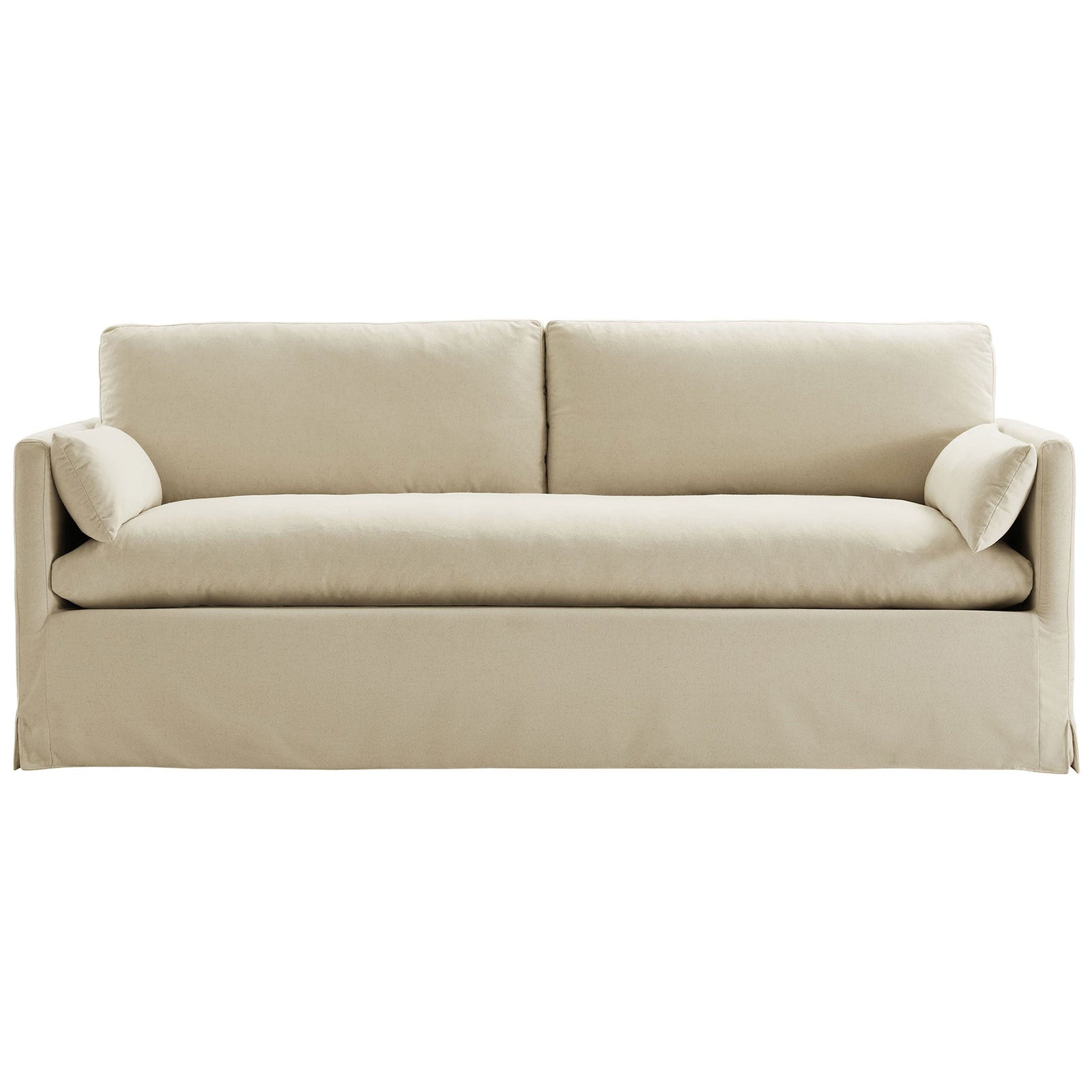
Build a coastal living room around a comfortable sofa, then vary the chairs and tables. A skirted sofa looks especially good beside open woven chairs; a tailored sectional can take a more sculptural woven coffee table.

Sofas and sectionals: slipcovers and relaxed upholstery
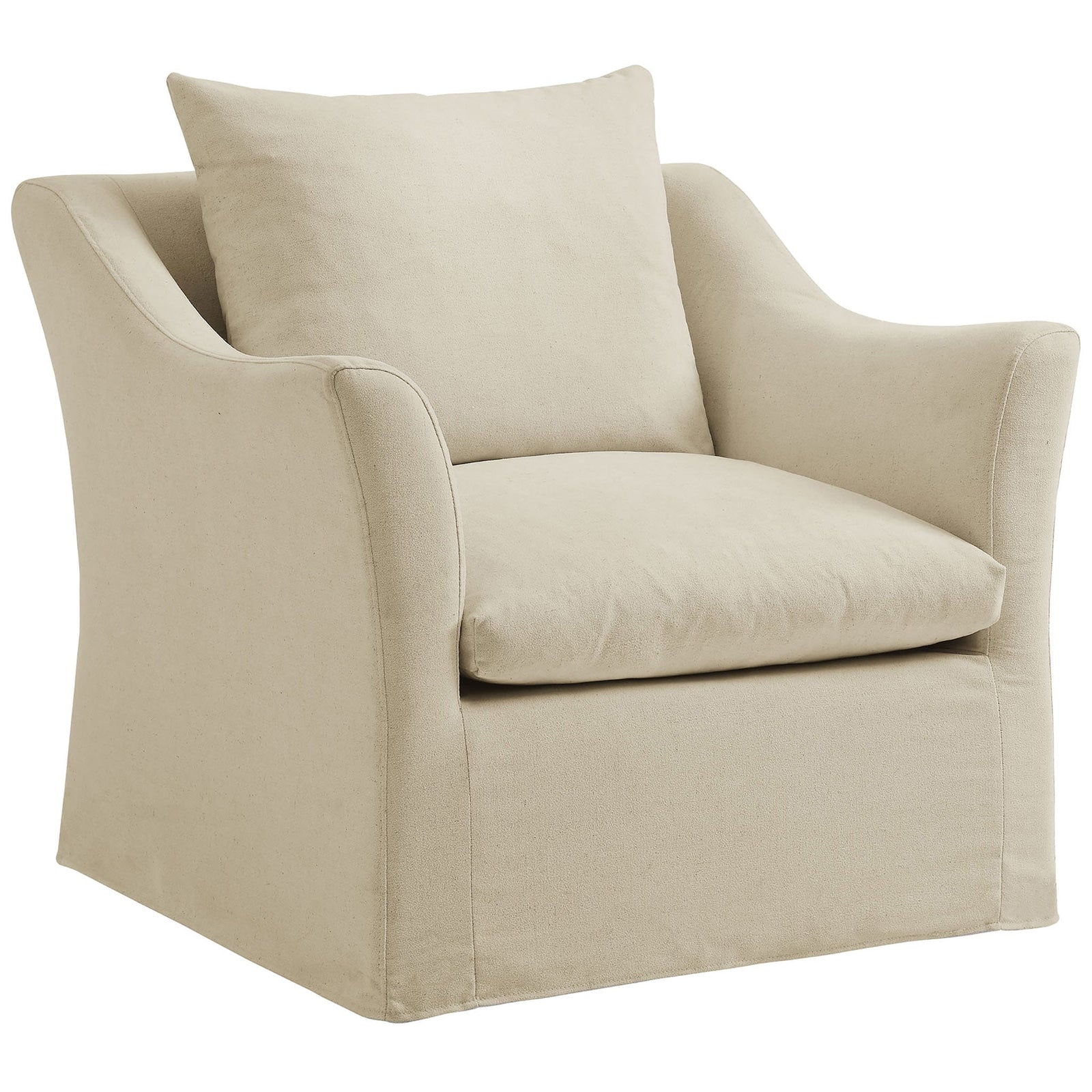
Slipcovered sofas with loose, floor-length skirts suit a coastal cottage. For modern coastal, look for a tailored cover, a straight hem, and simple arms.

A clean-lined oatmeal sectional provides another relaxed starting point. Deeper blue upholstery can become the main color, leaving the surrounding chairs and tables quieter.
For a beach house with sandy feet and damp swimsuits, consider indoor/outdoor upholstery or washable slipcovers. Check the exact fabric's care instructions before buying: a removable cover may still require professional cleaning.
Accent chairs: rattan, cane, and slipcovered seating
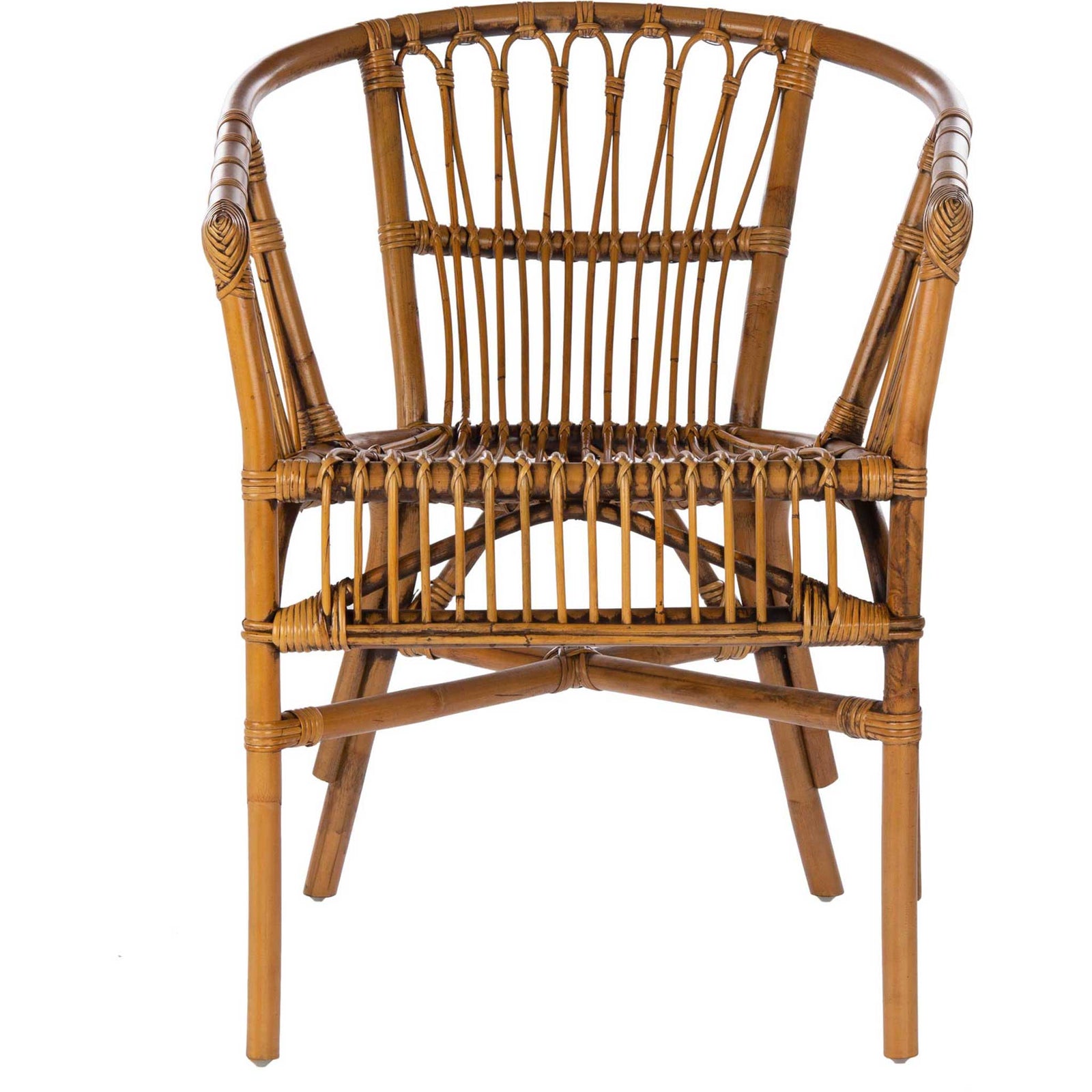
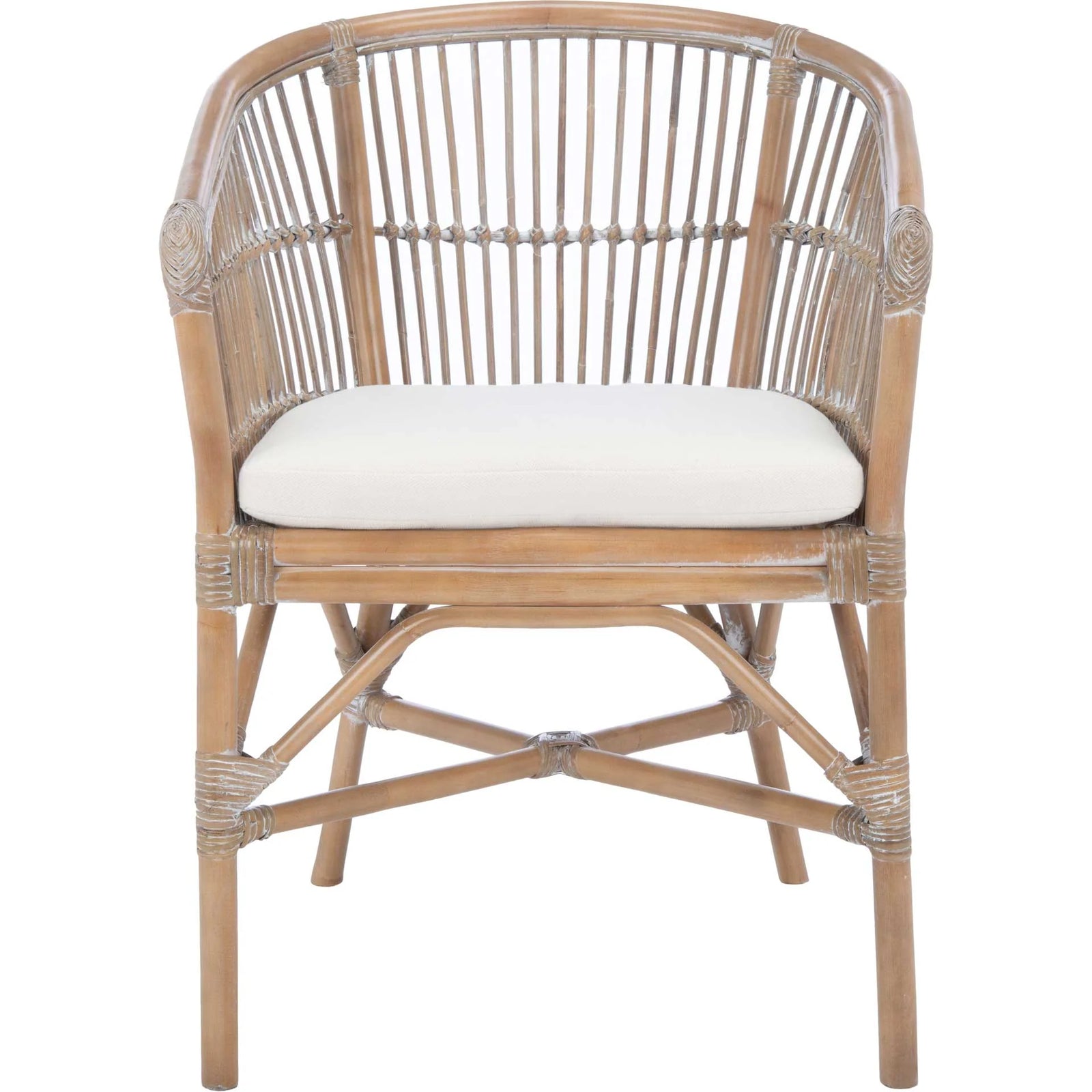
A large sofa is already a lot of fabric. Rattan accent chairs with open sides, curved rails, or cane panels let you see more of the room around it. That contrast is especially useful in a pale coastal interior, where upholstered pieces of similar color can otherwise blend into one large block.
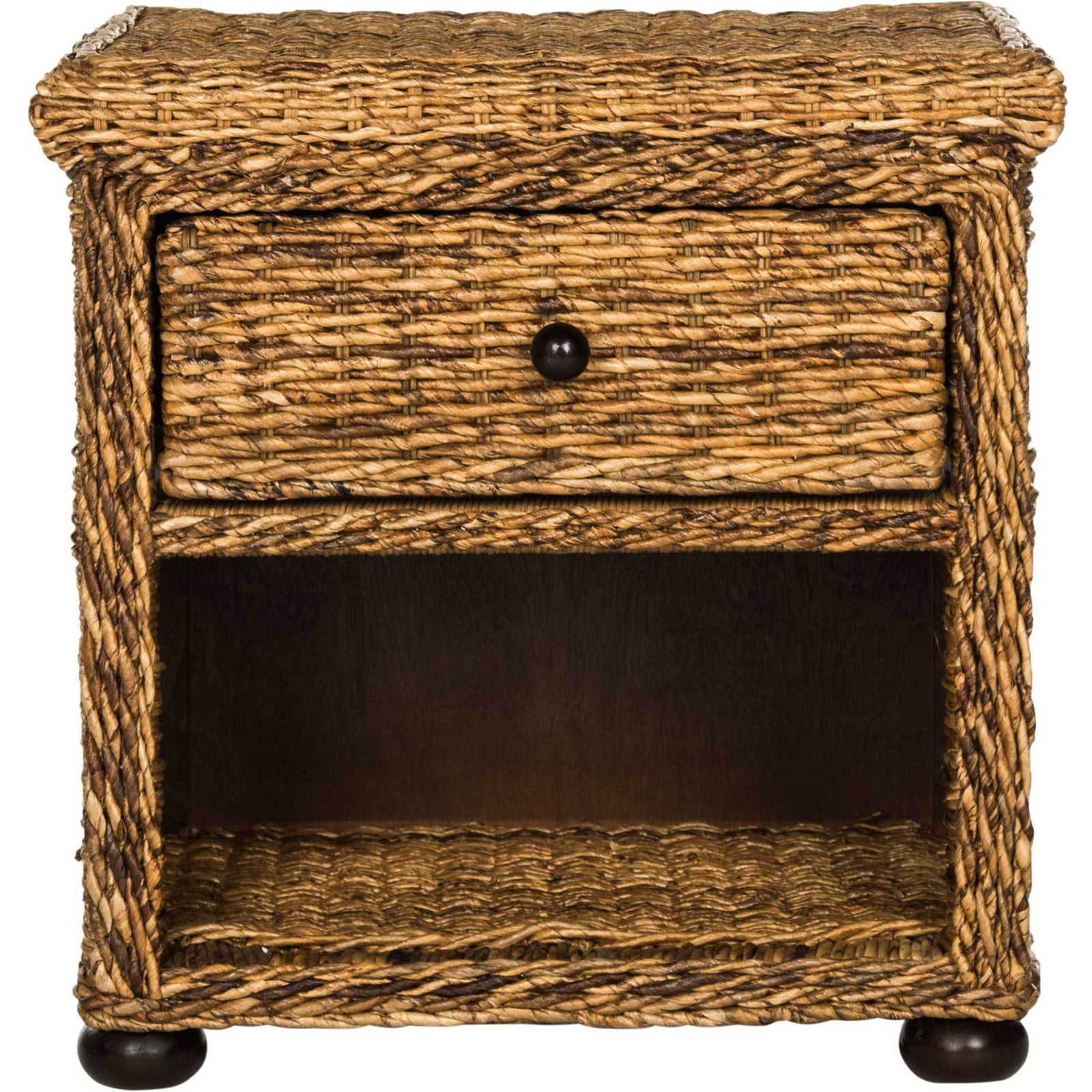
Several woven elements can share a room when their construction differs: try fine cane on a chair, open rattan on a side table, and a coarser natural-fiber rug. If the tables already supply plenty of weave, slipcovered chairs offer a softer alternative. Near a water-facing window, a swivel version can turn toward the view and back toward the seating group.




Coffee and side tables: natural wood and woven forms
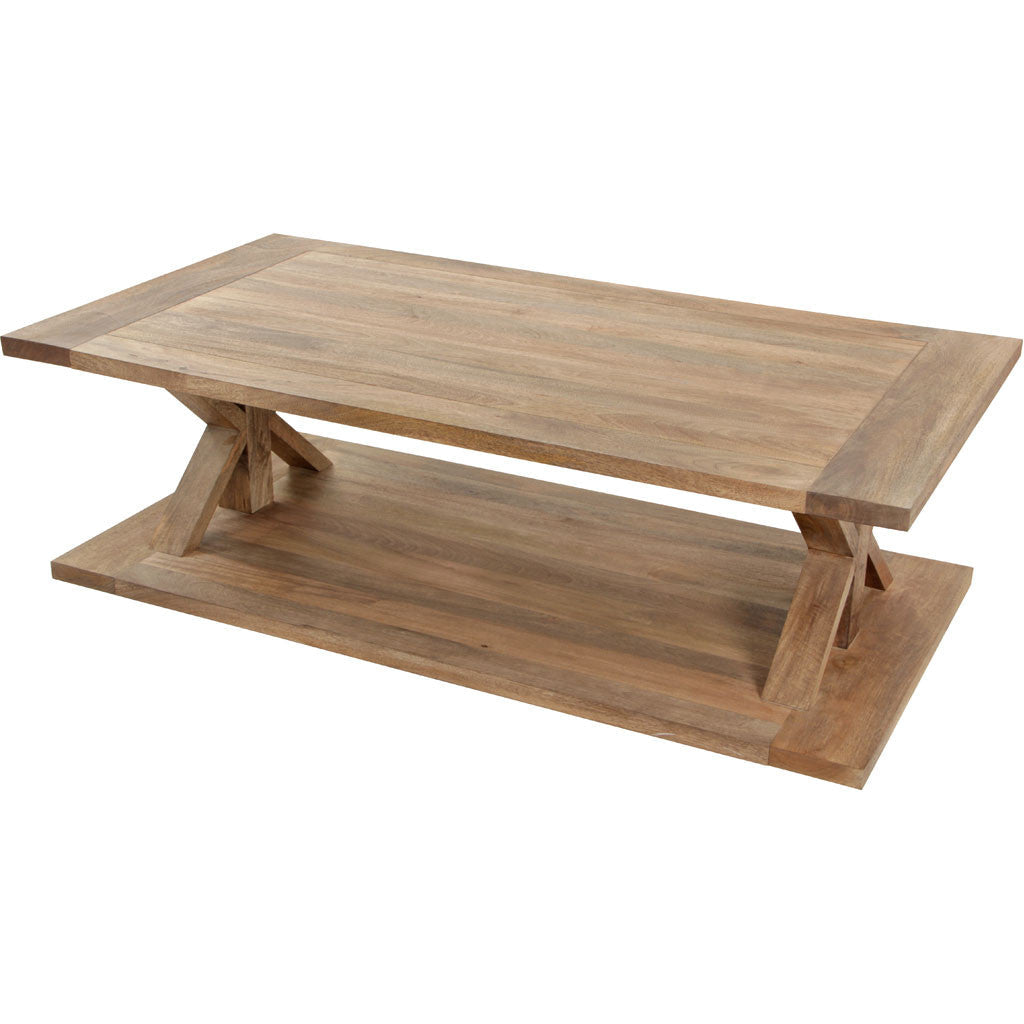
Pair an airy woven chair with a substantial wood coffee table. Beside a tailored sofa, try a rounded woven table to soften the straight lines.
An upholstered ottoman can bring the stripes of a beach cabana into the seating itself. Try broad blue-and-ivory bands beside a plain sofa, with a tray for drinks. A small glazed ceramic side table adds a hard surface and a little sea-glass color without introducing another wood finish.
Media cabinets: cane fronts and coastal wood finishes
Cane-panel doors, slatted wood, and painted cabinets with natural wood tops bring coastal character to the television wall. Consider a dark frame around natural cane: its outline picks up the television's black screen, while the weave connects the cabinet to nearby chairs or baskets. A worn blue or white cabinet gives a cottage room a softer-looking base beneath the screen.


Coastal bedroom furniture
Beds and headboards: woven panels, upholstery, and four-posters
Let the bed establish the main texture of your coastal bedroom furniture. Cane-panel beds introduce a fine, visible weave; ivory or flax upholstery gives a softer backdrop for patterned bedding.

A dark wood four-poster works especially well in an island-inspired bedroom. Dress it in white linen, add leafy curtains or a bolster, and put a pale painted nightstand beside it. Look for slender posts and simple rails to keep the bed from feeling heavy.
In Elaina Darden’s Nantucket cottage, bright green spindle beds sit in front of windows, with curtains framing each bed like a small canopy. Borrow that idea by pairing a simple painted bed and mostly white bedding with blue-and-white patterned curtains behind the headboard. The curtains bring the seaside color and pattern, giving the whole bed-and-window arrangement a coastal cottage feel.
Nightstands: painted wood, bamboo details, and rattan
Give a plain upholstered bed a coastal partner: a white bedside cabinet with a blue glazed lamp and a small seascape. Bamboo-style legs or a cane drawer front add texture to the cabinet itself.

For a collected cottage look, pair a painted bedside cabinet with an older wood table on the other side. Similar lamps connect the two; a blue cabinet can pick up a stripe in the bedding. With a woven headboard, keep those lamps smooth or glazed so every bedside surface doesn't have the same basket-like texture.
Dressers: painted finishes and weathered-looking wood
Muted blue dressers belong easily with cottage checks and white bedding. Smooth pale wood works with an upholstered bed and sea-glass colors; an older brown dresser adds depth beside sandy woven textures.
Keep an existing dark chest if you like it. With brass pulls and blue striped bedding nearby, it can suggest the richer wood-and-metal palette of a ship's cabin. Pale linen and woven accents soften that nautical reference.




Coastal dining room furniture
Choose coastal dining room furniture as a group: let the table supply substantial wood, then use the chairs to add weave, color, or soft upholstery.

Dining tables: natural wood, painted bases, and darker finishes
A weathered-looking trestle table suits painted cottage chairs. A wood top on a white base gives a lighter, familiar beach-house combination. Smooth natural timber works with clean-lined woven seating. For a richer island look, pair a polished dark table with pale upholstered chairs.
Dining chairs: woven backs, painted wood, and slipcovers
Rattan dining chairs can have fine cane backs, broader woven seats, or thick curved frames. Fine cane looks more delicate; larger loops and curves give the chair a stronger silhouette. Painted spindle or cross-back chairs bring a cottage mood. Black cross-back chairs give a sandy wood table a stronger outline; a simple black lantern can repeat that frame overhead.
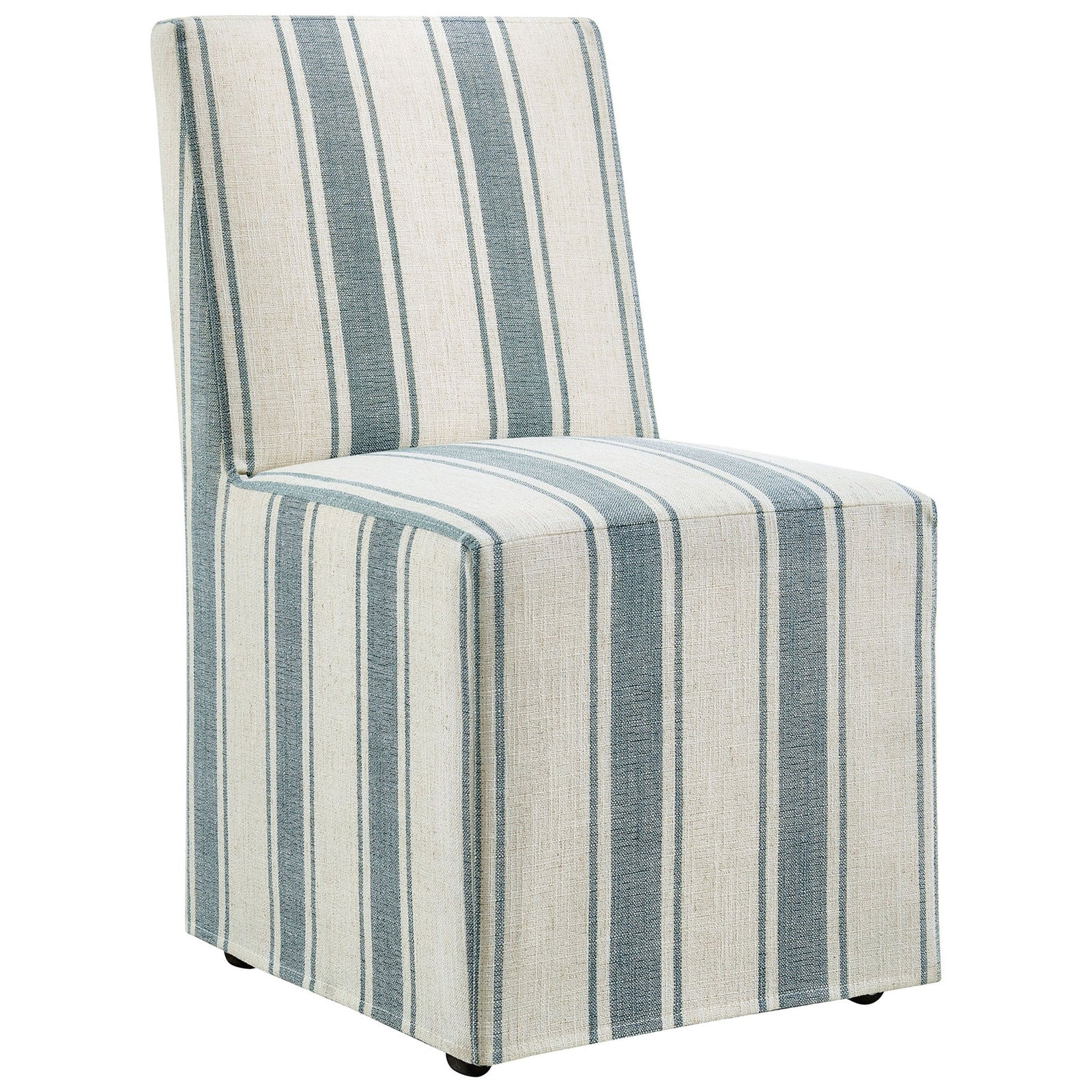
Slipcovered dining chairs bring beach-house softness to a substantial table. Full-length skirts conceal the legs, so they're especially effective around an open trestle base. Try them at the ends of a rectangular table with lighter woven chairs along the sides. Plain flax keeps the combination quiet; a blue stripe gives the upholstery a more graphic seaside character.

Where the dining area connects to a kitchen island, repeat the chairs' open weave or painted finish on the counter stools to link the spaces without buying an identical set.
Sideboards: cane panels, louvered doors, and painted finishes
Cane sideboards can repeat a chair material at a finer scale; louvered doors echo the lines of shuttered interiors. A smooth painted cabinet is useful when the chairs already have an intricate weave.
A navy sideboard beside a natural wood table and woven chairs makes the blue a substantial part of the room. Keep its door panels simple and let a pale ceramic bowl stand out against the dark top.





Coastal decor throughout the home
Rugs: natural fibers, coastal stripes, and patterned alternatives
Jute and sisal rugs give coastal furniture a sandy, woven foundation. Blue-and-ivory striped rugs bring a stronger seaside graphic; a softly mottled blue-green rug suggests water without a literal wave pattern. If the chairs and tables are already woven, a smoother patterned rug keeps the floor from becoming another layer of basketry.

A faded vintage-pattern rug is another option, especially among painted cottage furniture or an eclectic mix of richer woods.
Match the material to the way the home meets the beach. A flatweave is worth considering where sand gets tracked in; a softer wool or wool blend may be more inviting beside a bed. Jute and sisal need care around excess moisture, so use them away from the route taken by wet swimmers. Check the individual rug's cleaning instructions.


Curtains and shades: relaxed linen and woven textures
White or flax linen-look curtains give a coastal window a soft, gently rumpled outline. Striped Roman shades create a more graphic cottage treatment, while woven shades introduce a firmer, basket-like texture. Botanical curtains bring a more colorful, garden-inspired coastal direction.

Soft curtains work well beside a cane bed or several woven chairs; a woven shade adds texture around plain upholstery. In a bedroom, combine the airy-looking curtain with a suitable blackout lining or separate shade. You can keep the loose, light coastal appearance and still control early morning light.
Lighting: woven pendants, sea-glass tones, and ceramic bases
A basket-like pendant brings woven texture overhead. Translucent blue-green glass picks up sea-glass colors, while a chalky ceramic base feels closer to pale shells and sand. Bright green or coral glazed lamps can carry a tropical palette onto side tables.

For a tailored coastal chic effect, try a metal-and-glass lantern or a blue-and-white ceramic lamp. A ginger-jar shape introduces a classic silhouette and a glossy surface beside natural woven furniture. Where cane chairs and woven shades already supply texture, that shine can be more useful than another basket pendant.
An oversized woven pendant gives a simple wood dining table a strong focal point. Keep nearby woven pieces smaller and simpler so the pendant's shape stands out.
Textiles: coastal stripes, botanical prints, and washed linen
Coastal textiles range from plain washed linen to assertive pattern. White bedding with cream waffle-textured pillows and a coverlet creates a soft, sandy combination; a navy-striped cushion on a nearby chair adds a small coastal accent. Ticking stripes and checks bring cottage associations; broad stripes feel more graphic. Leafy fabrics and block prints can make a room noticeably more colorful.

Build a patterned combination by changing scale. Try a large green botanical print on curtains, a finer blue stripe on pillows, and a plain woven fabric on the sofa. The large motif reads across the room, while the smaller stripe rewards a closer look. Carry a shared color between them without trying to match every shade.
Wall decor: coastal art, mirrors, surfboards, and oars
Horizon photography and vintage seascapes connect a coastal room directly to water; an abstract painting can pick up marsh green or ocean blue more loosely. Repeat the long, low line of a sofa with a wide horizon print above it. Botanical or scenic wallpaper can draw on a beach-house garden.
A substantial shell-framed mirror above a simple wood sideboard makes the shells part of the room's main composition. Rattan or weathered wood frames offer other textures.
A surfboard can become the room's main artwork. Give it a clear stretch of wall and let its wood grain relate to the furniture below, or pick up its graphic colors in nearby cushions. A working board needs a properly fitted display rack.

For a boating reference, a pair of worn wood oars can span the wall above a sideboard. Find more furniture-and-art combinations in these coastal living room ideas.
Decorative accents: ceramics, carvings, and collected seaside objects
Group shells, ceramics, and other coastal decor on a dark wood shelf so pale shapes stand out. A larger piece can sit alone beside books; arrange small finds together so they read as a collection.

In Max Sinsteden’s Rhode Island beach cottage, sea urchins found by the designer line the wood mantel in size order, beneath an ocean etching. Try arranging a few shells from largest to smallest along a shelf, with a small seascape behind them. Repeating one shape gives even a modest collection a clear, deliberate arrangement.
For a more colorful display, group fish-decorated Vietri wall plates from Solimene Art above a plain sideboard, bringing Italian coastal craft onto the wall. Pick up a color from the pottery in nearby upholstery. A carved mask or wood sculpture collected on a coastal trip can become the focal point of a shelf, with a photograph from that place nearby.
Plants and foliage: indoor palms and dune-inspired grasses
Indoor palms give a coastal room a full, arching silhouette that works especially well with tropical fabrics and rattan. A palm beside a low cabinet adds height without another tall piece of furniture. Kentia and parlor palms prefer bright, indirect light but can also tolerate lower light levels.
For a sparer, dune-inspired effect, arrange dried grasses loosely in a ceramic vessel. Their fine stems and sandy color work particularly well beside a simple seascape or weathered wood console.

Coastal interior design styles
Modern coastal and California coastal
Modern coastal design pairs comfortable upholstery with simple furniture profiles and warm natural materials. California coastal overlaps with California casual, bringing in earthy colors, vintage pieces, and a connection to surf culture. Dark wood and bold art belong comfortably in this mix.

For a California coastal living room, keep an oatmeal sofa and give it a low, substantial wood coffee table. Add one vintage sling chair in worn tan leather: its exposed frame and taut seat contrast with the sofa's loose cushions. A large surf photograph can carry the beach reference above the sofa. Repeat its black frame in a slim reading lamp, with a muted blue-gray rug supplying the water color below.
Coastal cottage: painted wood and vintage character
Coastal cottage brings together painted furniture, older wood pieces, soft upholstery, and checks, stripes, or florals. Its charm comes partly from giving useful old furniture a fresh setting; a dresser doesn't need a distressed white finish to belong.

Build a bedroom around an existing brown chest and a pale blue painted bed. Choose blue-and-white floral curtains, then use white bedding with a finer striped bolster. That leaves the curtains as the main pattern while the stripe adds a familiar seaside note. Paint a small bedside cabinet the same blue as the bed, connecting those two pieces while the chest keeps its patina. Finish with a pleated lamp shade and a framed vintage seascape. For a warmer version, let a faded red quilt join the blues.
Tropical coastal: sculptural rattan, rich wood, and botanical pattern
Tropical coastal combines expressive rattan, rich wood, and tropical greenery. A relaxed island room can lean on a wood bench, a sculptural woven chair, and large palm leaves. For a more colorful, polished version, pair lush botanical fabrics with a formal dining table or classic four-poster.

For a dining room, begin with a botanical fabric you love and a dark oval wood table. Put the fabric on Roman shades and repeat it on the seat cushions of curved rattan chairs. Repeating one print on two surfaces makes an exuberant pattern feel deliberate. Let the walls stay warm white so the leaves and chair frames read clearly. A glazed lamp on the sideboard can pick up a smaller coral or yellow detail from the print, rather than adding another large expanse of green. Place a palm where its fronds extend beyond the furniture, carrying the garden feeling into the room.
Coastal boho: collected furniture, patterned textiles, and handmade objects
Bohemian coastal, or coastal boho, brings the eclectic furniture and craft traditions of boho interior design into a beach-inspired palette. It can overlap with tropical coastal; here, individual finds from different periods and places give the room its identity.

Try building a sitting room around a faded indigo-and-rust rug. Set a plain flax sofa on it, then introduce a carved wood stool as a side table and an older woven chair. Pull the rug's rusty color onto one substantial cushion; leave the other upholstery mostly plain. A handwoven textile hung above the sofa can become the main artwork, with enough bare wall around it to show its edges and workmanship.
Coastal architectural details: paneling, wood ceilings, and shutters
Beadboard introduces fine, repeated lines associated with cottage interiors; broader boards create a simpler paneled surface. White or muted blue paint makes either an effective backdrop for wood furniture and patterned textiles.

A natural wood ceiling or exposed beams bring warm grain above the furniture. Keep the walls in a simple plaster or matte-painted finish so that grain remains a clear feature. Choose the treatment that fits the home's existing architecture: one paneled wall or timber ceiling can contribute plenty of character.

Interior louvered shutters add adjustable lines of light and shade. White painted shutters sit easily with cottage checks; wood louvers make a richer companion for tropical prints. A timber ceiling can supply the brown in a marsh-inspired room, while white beadboard gives an old dark dresser and sea-blue bedding a fresh coastal setting.
Leave a comment
Comments will be approved before showing up.


Coastal Interior Design Guide: Furniture, Colors, and Decor Ideas
Learn to pick the furniture, colors, and decor to design a coastal-inspired home. Explore room-by-room furnishing tips, combinations of natural textures, and major coastal style variations like modern Cali coastal and coastal cottage.


Bed and Mattress Size Guide: Dimensions and How to Choose
Compare standard US mattress sizes, from Twin to California King, and learn how much room your complete bed frame really needs. Our illustrated guide covers bedroom clearances, sleep/seated bed height, and tips for delivery considerations.


Polypropylene Rugs Guide: Pros, Cons & Best Use Cases
Polypropylene rugs are budget-friendly, stain-resistant, and easy to maintain — but there's more to consider before buying one. Discover their pros, cons, care tips, and the best rooms to use them in when you shop.


Boho Interior Design Guide: Colors, Furniture & Decor Tips
Learn how to style your home in boho interior design, from warm color palettes and textiles to furniture, lighting, plants, and wall decor. Explore popular bohemian styles and get room-by-room decorating tips for a cozy, personalized space.


What Colors Go With Brown: Top Palettes By Material & Style
Wondering what colors go well with brown? We cover major colors that complement brown, from creamy off-whites to sage green. Our post also touch on best color pairings for brown-colored materials like wood, leather, fabric.


TV Stand Size Guide: Find the Ideal Width, Depth, and Height
Not sure what size your TV stand should be? Read our TV stand size guide to learn practical tips on what width, depth, or height the stand should be based on your TV size, viewing distance, and accessories.


Coffee Table Height & Size Selection Guide
Discover the ideal coffee table height, width, and depth for your living room. Learn about the standard coffee table dimensions, measuring rules for proper spacing from nearby couches and TV stands, and layout tips.


Mid-century Modern Interior Design 101: Decor Ideas & Design Tips
Discover the essentials of mid-century modern interior design. We cover its defining features, iconic furniture, suitable art and decor, color palettes, and more. Get simple decorating tips and architectural guidelines to get the MCM look.